


'Once He Leaves, The Case Is Over': Judge Jails OpenAI Bugging Suspect After Saudi Consulate Offers 'Blank-Check' Bail
When a foreign government volunteers to bankroll your release from federal custody, it may be time to reconsider the "no ties to a foreign state" defense.
On Monday, a San Francisco federal magistrate ordered Abdulrahman Alfozan, the 35-year-old Saudi national accused of bugging an executive conference room at OpenAI's headquarters, detained without bail pending trial, saying there is a "significant" risk he would flee. The ruling came after Judge Alex Tse grilled the defense over an offer by the Saudi Consulate in Los Angeles to pay Alfozan's full bail, which CNBC reports that the judge called "problematic".
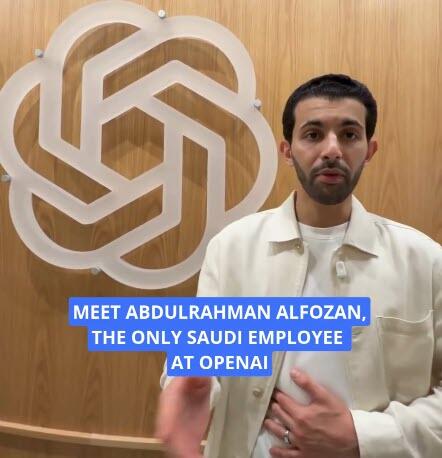
In other words, the Kingdom offered to post bail for the man accused of bugging the room where OpenAI meets government officials, and the judge decided that was not, in fact, reassuring.
But, there's a lot more going on here...
Alfozan's lawyer, William Pernik, had asked for release on home detention with GPS monitoring and a co-signed bond, backed by a written undertaking from the Saudi Consulate General. In court, the defense said Alfozan would also put up $1 million in assets on top of the consulate's offer. The defense package also came with dozens of support letters and a commitment from the consulate not to issue him travel documents.
Tse wasn't buying it. The judge noted that OpenAI had already fired Alfozan, so there is no job keeping him in the Bay Area, and ordered him back in court next month.
Courtroom accounts had the judge likening Riyadh's open-ended support to a "blank check", which is roughly the opposite of what you want a federal judge saying about your sureties.
Prosecutors from the Northern District of California had argued that Alfozan's alleged conduct could pose "a danger to the national security of the United States" and that he enjoyed "considerable support" from the Saudi government.
The defense countered that nationality is not evidence of flight and that the planned trip was for family and immigration reasons. According to CBS, Alfozan has been a US permanent resident since September 2020 and had applied for citizenship,
The government's case for detention, filed Sunday, is where things got colorful. Prosecutors said Alfozan was in frequent WhatsApp contact with a member of the Saudi Royal Family throughout 2025 and 2026, as recently as Oct. 5, four days before his arrest. The royal (unnamed in the filing) told him about a new Saudi AI program and repeatedly pressed him on when he'd leave OpenAI. The May 2026 exchange is worth quoting from the filing directly:
Translation: agreed. According to CBS, Alfozan added he wouldn't leave until his stock vested, which, in fairness, is the most relatable thing anyone in this story has said.
To be clear (and the defense will make this point at every opportunity), the filing does not allege the royal directed Alfozan to plant the device or steal anything from OpenAI. It also doesn't say how the two knew each other. But it does describe internal searches concerning meetings between OpenAI and Saudi officials: reports say Alfozan accessed an internal folder labeled "Saudi Gov Docs" and searched for a meeting tagged "HUMAIN x MCIT @OpenAI", a reference to the PIF-backed AI champion and the Kingdom's communications and IT ministry. Prosecutors also flagged that further charges could follow.
Regular readers will recall that HUMAIN is the vehicle through which Riyadh has been hoovering up US AI chips (May 14, 2025), with Washington signing off on advanced chip exports (Nov 20, 2025) as part of what we described as American AI imperialism's reliance on the Middle East (Jan 6, 2026). Turns out the reliance may run both ways.
Meanwhile, after his arrest derailed a family trip, prosecutors say the Saudi government and a Saudi military official each arranged flights out of the US for his wife, Lujain Alassaf, and their three-month-old son. That trip, recall, was a one-way booking to Saudi Arabia via Istanbul for Oct. 12, three days after the FBI picked him up, as first disclosed last week. Alfozan is also listed as a venture partner at Riyadh's Raed Ventures, whose partners include a member of the royal family; one former CIA official told CNBC the firm is basically an arm of the state.
As a reminder, the underlying case is one we covered when it broke last week. According to the DOJ complaint, OpenAI staff found an encrypted audio recorder wrapped in toilet paper and plugged into a USB port on the back of a TV in an executive conference room on Sept. 30; it had been installed around Sept. 28.
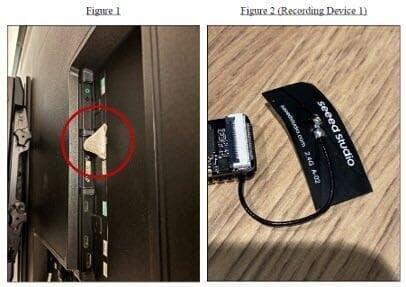
OpenAI then added a camera, which on Oct. 5 caught Alfozan entering and checking behind the TV. The same day, security found a second recorder from the same Chinese manufacturer in a bag he'd left in a printer room - along with his wallet and ID.
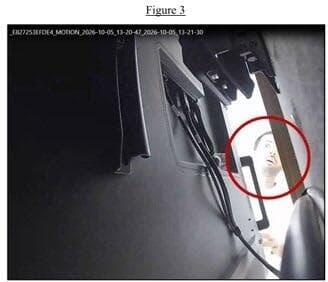
The complaint also cited AI prompts about building, obfuscating, and remotely accessing a recorder, and says he used an internal productivity tool to map executive meeting rooms and leadership schedules. The room in question routinely hosted meetings between OpenAI executives and government officials, including on days close to when the device was allegedly planted. OpenAI said it has no indication that model weights, source code or customer data were accessed.
The charge itself - using or trying to use a device to intercept oral communications - carries a maximum of five years and a $250,000 fine (which, as prosecutors seem to appreciate, is a much smaller number than what a one-way ticket to Riyadh is worth).
Why would a judge balk at a foreign consulate guaranteeing bail? Because this particular consulate has done it before.
In 2016, the Saudi Consulate in Los Angeles posted $100,000 in bail for Abdulrahman Sameer Noorah, a Portland Community College student charged with manslaughter in the hit-and-run death of 15-year-old Fallon Smart. His passport was confiscated and he wore a GPS ankle monitor. Two weeks before trial in June 2017, he cut it off and vanished, turning up in Saudi Arabia a week later, reportedly on a Saudi-issued passport under another name.
The Oregonian later tallied more than two dozen Saudi suspects who fled US charges, in several cases after Riyadh posted bail. And since there is no US-Saudi extradition treaty, Noorah has never been back.
Passport surrender, GPS monitoring, a consular guarantee: the exact package Alfozan's lawyers offered on Monday. We suspect Judge Tse has read The Oregonian.
The timing is not lost on Washington. Late last week, DNI Jay Clayton - who called the OpenAI incident a "serious situation" - warned that the administration and US companies "need to be wary" of AI espionage, singling out China, Russia, Iran and North Korea.
Notably absent from that list: the close US ally that just offered to bail out the accused. Officially, nobody has alleged state direction, and Alfozan is presumed innocent. But between the royal WhatsApps, the "Saudi Gov Docs" searches, the military-arranged flights for his family, and a consulate eager to cut a check, prosecutors don't need to prove motive to win a detention hearing - and they didn't.
The bigger question is what this does to the Gulf AI trade. Washington has spent two years waving through chip exports to Riyadh and Abu Dhabi on the premise that 'Gulf capital' is a partner in the US AI buildout, not a collector of its secrets. One alleged toilet-paper bug won't unwind those deals, but it hands every export-control hawk in Congress a brand-new exhibit - or, more likely, gets quietly filed under "isolated incident" the next time a HUMAIN megadeal needs a signature.
Alfozan is due back in court next month. We'll be watching whether "further charges" arrive before he does.
Tyler Durden Mon, 10/19/2026 - 18:50
Continue reading...
[ H/T ZeroHedge ]
When a foreign government volunteers to bankroll your release from federal custody, it may be time to reconsider the "no ties to a foreign state" defense.
On Monday, a San Francisco federal magistrate ordered Abdulrahman Alfozan, the 35-year-old Saudi national accused of bugging an executive conference room at OpenAI's headquarters, detained without bail pending trial, saying there is a "significant" risk he would flee. The ruling came after Judge Alex Tse grilled the defense over an offer by the Saudi Consulate in Los Angeles to pay Alfozan's full bail, which CNBC reports that the judge called "problematic".
In other words, the Kingdom offered to post bail for the man accused of bugging the room where OpenAI meets government officials, and the judge decided that was not, in fact, reassuring.
But, there's a lot more going on here...
"Problematic"
Alfozan's lawyer, William Pernik, had asked for release on home detention with GPS monitoring and a co-signed bond, backed by a written undertaking from the Saudi Consulate General. In court, the defense said Alfozan would also put up $1 million in assets on top of the consulate's offer. The defense package also came with dozens of support letters and a commitment from the consulate not to issue him travel documents.
Tse wasn't buying it. The judge noted that OpenAI had already fired Alfozan, so there is no job keeping him in the Bay Area, and ordered him back in court next month.
Courtroom accounts had the judge likening Riyadh's open-ended support to a "blank check", which is roughly the opposite of what you want a federal judge saying about your sureties.
Prosecutors from the Northern District of California had argued that Alfozan's alleged conduct could pose "a danger to the national security of the United States" and that he enjoyed "considerable support" from the Saudi government.
The defense countered that nationality is not evidence of flight and that the planned trip was for family and immigration reasons. According to CBS, Alfozan has been a US permanent resident since September 2020 and had applied for citizenship,
"Saudi Needs You More Then The U.S.!"
The government's case for detention, filed Sunday, is where things got colorful. Prosecutors said Alfozan was in frequent WhatsApp contact with a member of the Saudi Royal Family throughout 2025 and 2026, as recently as Oct. 5, four days before his arrest. The royal (unnamed in the filing) told him about a new Saudi AI program and repeatedly pressed him on when he'd leave OpenAI. The May 2026 exchange is worth quoting from the filing directly:
Translation: agreed. According to CBS, Alfozan added he wouldn't leave until his stock vested, which, in fairness, is the most relatable thing anyone in this story has said.
To be clear (and the defense will make this point at every opportunity), the filing does not allege the royal directed Alfozan to plant the device or steal anything from OpenAI. It also doesn't say how the two knew each other. But it does describe internal searches concerning meetings between OpenAI and Saudi officials: reports say Alfozan accessed an internal folder labeled "Saudi Gov Docs" and searched for a meeting tagged "HUMAIN x MCIT @OpenAI", a reference to the PIF-backed AI champion and the Kingdom's communications and IT ministry. Prosecutors also flagged that further charges could follow.
Regular readers will recall that HUMAIN is the vehicle through which Riyadh has been hoovering up US AI chips (May 14, 2025), with Washington signing off on advanced chip exports (Nov 20, 2025) as part of what we described as American AI imperialism's reliance on the Middle East (Jan 6, 2026). Turns out the reliance may run both ways.
Meanwhile, after his arrest derailed a family trip, prosecutors say the Saudi government and a Saudi military official each arranged flights out of the US for his wife, Lujain Alassaf, and their three-month-old son. That trip, recall, was a one-way booking to Saudi Arabia via Istanbul for Oct. 12, three days after the FBI picked him up, as first disclosed last week. Alfozan is also listed as a venture partner at Riyadh's Raed Ventures, whose partners include a member of the royal family; one former CIA official told CNBC the firm is basically an arm of the state.
Toilet Paper Tradecraft
As a reminder, the underlying case is one we covered when it broke last week. According to the DOJ complaint, OpenAI staff found an encrypted audio recorder wrapped in toilet paper and plugged into a USB port on the back of a TV in an executive conference room on Sept. 30; it had been installed around Sept. 28.
OpenAI then added a camera, which on Oct. 5 caught Alfozan entering and checking behind the TV. The same day, security found a second recorder from the same Chinese manufacturer in a bag he'd left in a printer room - along with his wallet and ID.
The complaint also cited AI prompts about building, obfuscating, and remotely accessing a recorder, and says he used an internal productivity tool to map executive meeting rooms and leadership schedules. The room in question routinely hosted meetings between OpenAI executives and government officials, including on days close to when the device was allegedly planted. OpenAI said it has no indication that model weights, source code or customer data were accessed.
The charge itself - using or trying to use a device to intercept oral communications - carries a maximum of five years and a $250,000 fine (which, as prosecutors seem to appreciate, is a much smaller number than what a one-way ticket to Riyadh is worth).
Same Consulate, Same Offer, Different Ending
Why would a judge balk at a foreign consulate guaranteeing bail? Because this particular consulate has done it before.
In 2016, the Saudi Consulate in Los Angeles posted $100,000 in bail for Abdulrahman Sameer Noorah, a Portland Community College student charged with manslaughter in the hit-and-run death of 15-year-old Fallon Smart. His passport was confiscated and he wore a GPS ankle monitor. Two weeks before trial in June 2017, he cut it off and vanished, turning up in Saudi Arabia a week later, reportedly on a Saudi-issued passport under another name.
The Oregonian later tallied more than two dozen Saudi suspects who fled US charges, in several cases after Riyadh posted bail. And since there is no US-Saudi extradition treaty, Noorah has never been back.
Passport surrender, GPS monitoring, a consular guarantee: the exact package Alfozan's lawyers offered on Monday. We suspect Judge Tse has read The Oregonian.
Bottom Line
The timing is not lost on Washington. Late last week, DNI Jay Clayton - who called the OpenAI incident a "serious situation" - warned that the administration and US companies "need to be wary" of AI espionage, singling out China, Russia, Iran and North Korea.
Notably absent from that list: the close US ally that just offered to bail out the accused. Officially, nobody has alleged state direction, and Alfozan is presumed innocent. But between the royal WhatsApps, the "Saudi Gov Docs" searches, the military-arranged flights for his family, and a consulate eager to cut a check, prosecutors don't need to prove motive to win a detention hearing - and they didn't.
The bigger question is what this does to the Gulf AI trade. Washington has spent two years waving through chip exports to Riyadh and Abu Dhabi on the premise that 'Gulf capital' is a partner in the US AI buildout, not a collector of its secrets. One alleged toilet-paper bug won't unwind those deals, but it hands every export-control hawk in Congress a brand-new exhibit - or, more likely, gets quietly filed under "isolated incident" the next time a HUMAIN megadeal needs a signature.
Alfozan is due back in court next month. We'll be watching whether "further charges" arrive before he does.
Tyler Durden Mon, 10/19/2026 - 18:50
Continue reading...
[ H/T ZeroHedge ]