



Ohio voters gave photo ID requirements a constitutional stamp of approval Tuesday, handing election-security advocates a victory on an otherwise bruising night for Republicans.
Issue 3 puts Ohio’s existing requirement for photo identification at in-person polling places into the state constitution, protecting it from repeal through an ordinary change in state law.
The measure passed as Democrats captured the governor’s office, flipped a Republican-held U.S. Senate seat and knocked off a GOP congressman.
Supporters argued the amendment would help guard against voter impersonation and strengthen public confidence in elections. Opponents said the requirement was already in state law and that adding it to the constitution would create burdens without improving election security.
The amendment does not eliminate mail voting or require all voters to cast ballots in person. It allows state law to authorize voters casting ballots outside polling places to verify their identities with a signature and at least one other specified unique identifier instead of photo identification.
It also allows an alternative verification process under state law for voters with sincere religious objections to being photographed.
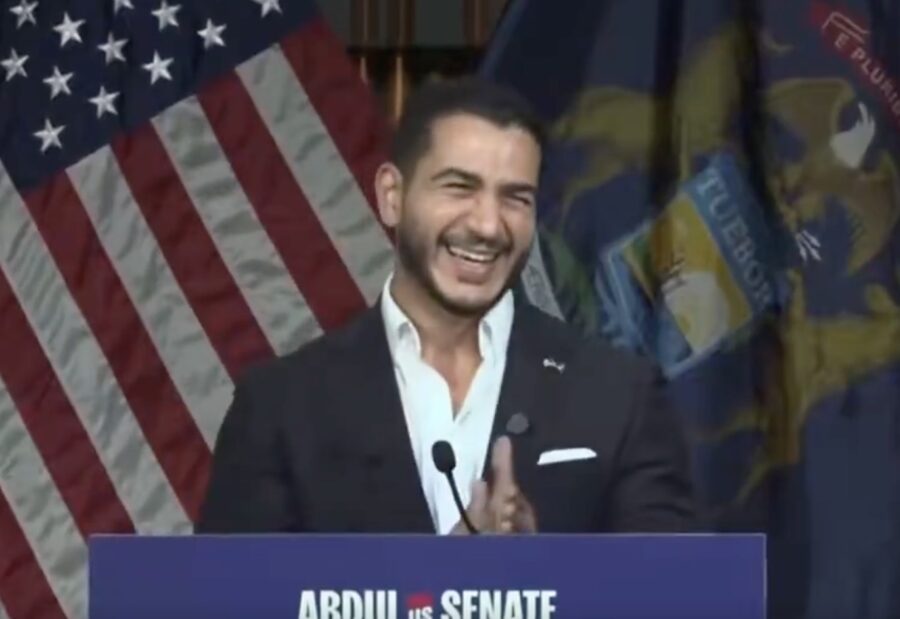
POLL: Does Abdul El-Sayed Belong In The Senate?
Ohio lawmakers proposed the amendment through a joint resolution. The Ohio Ballot Board approved its ballot language 4-1 on Aug. 3.
Issue 3 adds Section 5 to Article V of the Ohio Constitution. Its ballot language specifies that the amendment takes effect immediately upon approval.
The result gave voter ID supporters something to celebrate as Republicans absorbed major losses elsewhere on the Ohio ballot.
Democrat Sherrod Brown defeated Republican Sen. Jon Husted, securing a Senate comeback two years after losing his reelection bid to Republican Bernie Moreno.
Brown won the special election to complete the term JD Vance secured in 2022, which runs through January 2029. Vance resigned from the Senate in January 2025 ahead of his inauguration as vice president.
In the governor’s race, Democrat Amy Acton defeated Republican Vivek Ramaswamy, becoming the first woman elected governor of Ohio and the first Democrat to win the office in 20 years.
The campaign’s final weeks featured a bitter dispute over a Ramaswamy-funded ad featuring Acton’s estranged mother. Democrats and Republicans criticized the spot, including outgoing Republican Gov. Mike DeWine.
Democrats also picked up Ohio’s 15th Congressional District, where Don Leonard defeated Republican Rep. Mike Carey.
The Ohio results helped fuel broader Democratic gains nationwide, with the party winning control of the U.S. Senate.
POLL: Should America Bring Back The Ban On Islamists Holding Public Office?
Continue reading...
[ H/T Trending Politics ]