


.jpg)




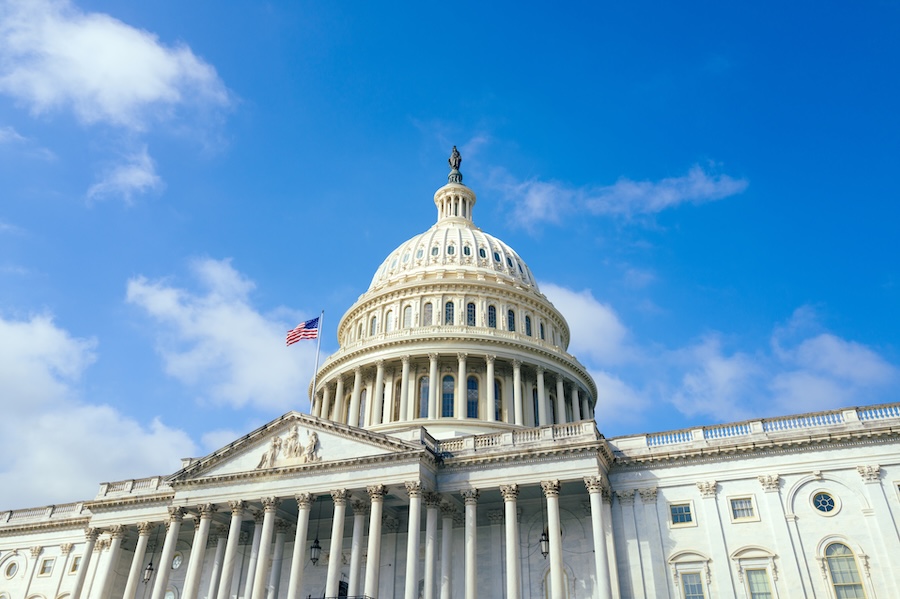
The Supreme Court agreed on Thursday, October 1, to review a Trump Administration policy that requires many people who entered the United States without authorization to remain in immigration detention without a chance to ask for release on bond. The case could prove consequential for the administration’s deportation agenda, as an unfavorable ruling could lead to tens of thousands of illegal aliens being released from detention.
The case was brought by the government against Ricardo Aparecido Barbosa da Cunha, and centers on how long and under what conditions federal authorities may hold noncitizens while their removal cases move through the system.
Barbosa da Cunha, a Brazilian citizen, crossed the border illegally around 2004 or 2005. He later applied for asylum in 2016 and received a work permit while that application was pending.
In September 2025, immigration officers arrested him in Massachusetts as he drove to work. An immigration judge concluded that his detention was mandatory under the administration’s reading of a 1996 law, so he was not offered a bond hearing.
Federal district and appeals courts in his case later ordered his release, finding the no-bond rule did not apply to him. He was freed on bond in October 2025. The government asked the Supreme Court to reverse that outcome.
The detention at issue is civil immigration custody, not a criminal jail sentence. People held under the policy stay in Immigration and Customs Enforcement facilities while immigration judges decide whether they can be removed from the country. Proceedings can last months or longer.
POLL: Should Ilhan Omar Be Deported If Found Guilty Of Immigration Fraud?
Under the contested policy, announced in guidance issued in 2025, officers do not hold a hearing to weigh whether the person is likely to appear for future court dates or poses a danger to the public. Prior administrations, including the first Trump term, generally limited this form of automatic detention to people stopped near the border soon after entry.
Those already living in the interior for years, and without serious criminal convictions, could usually request a bond hearing.
More than 460 federal district judges issued rulings against the policy in thousands of individual cases, and nine of the eleven regional appeals courts reached the same conclusion. Two appeals courts, the Fifth and Eighth Circuits, have sided with the government, creating a split that the Supreme Court will now resolve.
The justices are expected to hear arguments in the coming months and issue a decision by the end of the term in 2026. The question before them is primarily one of statutory interpretation — whether the 1996 provision covers people who have lived in the country for extended periods — rather than a broad constitutional claim.
Immigration detention numbers have risen under the current enforcement approach, from roughly 38,000 to 40,000 people before January 2025 to between 65,000 and 70,000 more recently.
The case’s outcome will shape how the executive branch carries out large-scale removals. A decision upholding the policy would allow continued detention without individualized release decisions for many people already in the country, reducing the chance they leave the area before a final order and limiting the need to re-arrest them later.
A decision rejecting the policy would restore bond hearings for a wider set of long-term residents, potentially increasing releases during proceedings and requiring the government to rely more on other tools, such as monitoring or later enforcement, to complete deportations. Either result will set a uniform national rule after months of conflicting lower-court orders.
RELATED: Justice Alito Abruptly Reverses Course In Key Supreme Court Case
Continue reading...
[ H/T Trending Politics ]