




Lithuanian Parliament Advances Measure To Reverse Nuclear Weapons Ban
Back in July, Lithuanian President Gitanas Nauseda declared that his country must be part of the NATO alliance's nuclear sharing program: "We would like to be the integral part of this nuclear deterrence," he had said at the time.
He was addressing a big hurdle written into Lithuanian law, namely the existent constitutional ban on nuclear weapons from Lithuanian territory.
But on Tuesday the effort to overturn the ban passed its first big test, with the Lithuanian parliament, the Seimas, having voted 106-18 to advance a constitutional amendment that would reverse the ban.
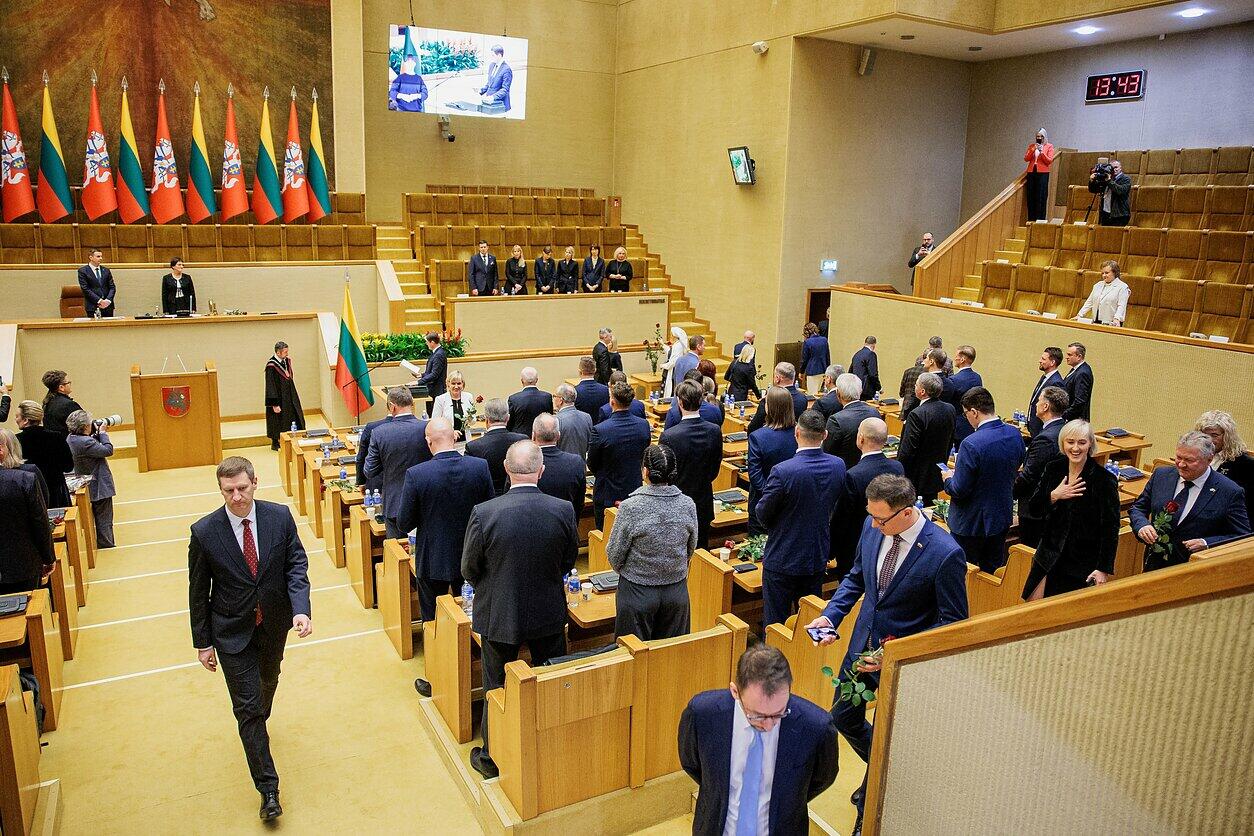
Source: LRT nuotr.
But there will be more procedural rounds yet to go in the coming months before the change can become a reality:
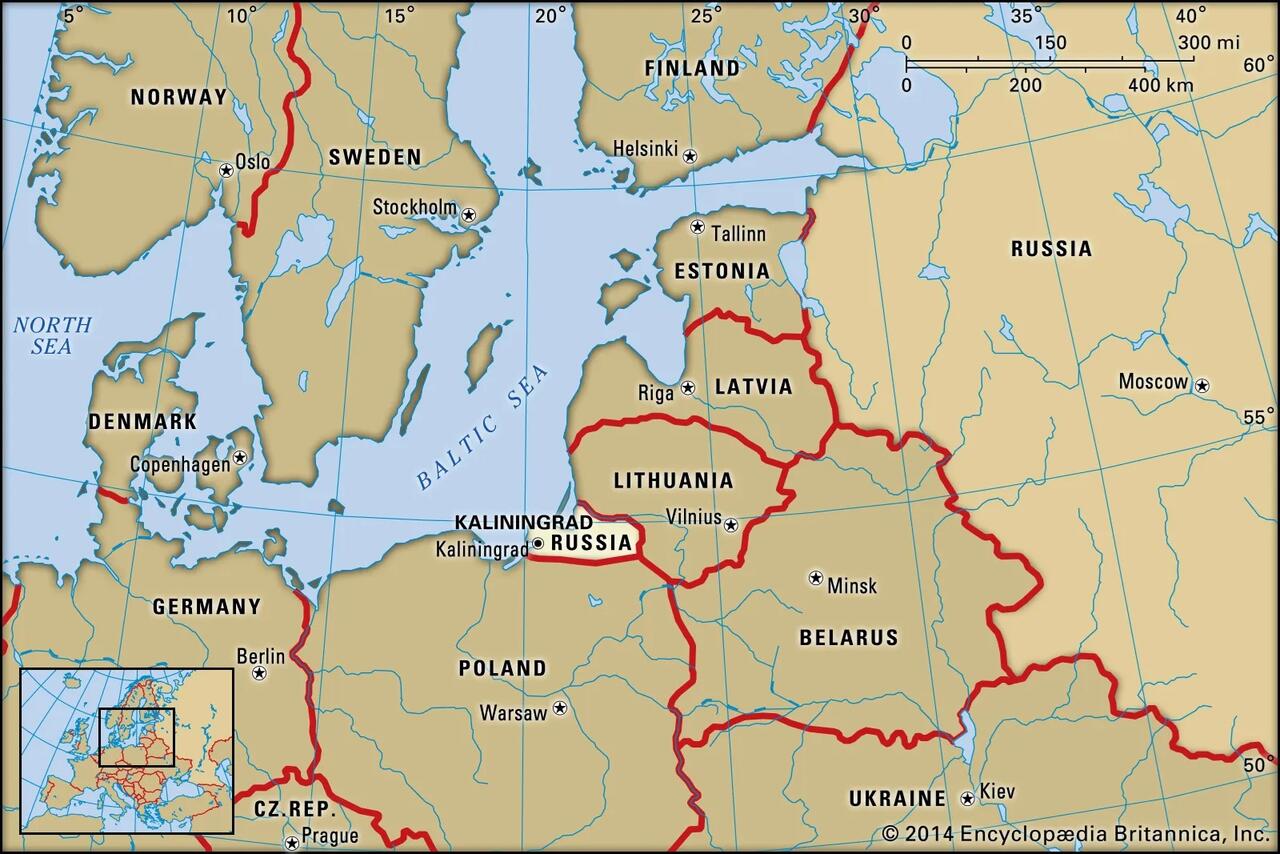
The effort is obviously hugely provocative to Russia, given the end result could be NATO nukes stationed right on Russia's Baltic doorstep.
But Lithuania's political establishment is looking fully onboard: "Our neighboring countries, such as Latvia, Estonia and Poland, have no such restrictions either," Remigijus Motuzas, chairman of the Seimas Foreign Affairs Committee, has told parliament. "We cannot be less protected than other NATO countries. We must send a signal that Lithuania is a full part of NATO’s nuclear deterrence."
As for the current constitutional prohibition in question:
Finland's parliament has already voted on its own reversal this summer, after which Russia moved to secure more border areas with NATO countries.
Since the Ukraine war began, and in context of ratcheting tensions with NATO over its military support to Kiev, Moscow has steadily militarized its border regions with Baltic and Scandinavian states.
The most significant source of NATO's nuclear-sharing program remains the United States. But lately France has expressed a desire to station some of its atomic arsenal in partner countries, and this could include in Finland, Sweden, Denmark and others.
Tyler Durden Wed, 10/07/2026 - 05:45
Continue reading...
[ H/T ZeroHedge ]
Back in July, Lithuanian President Gitanas Nauseda declared that his country must be part of the NATO alliance's nuclear sharing program: "We would like to be the integral part of this nuclear deterrence," he had said at the time.
He was addressing a big hurdle written into Lithuanian law, namely the existent constitutional ban on nuclear weapons from Lithuanian territory.
But on Tuesday the effort to overturn the ban passed its first big test, with the Lithuanian parliament, the Seimas, having voted 106-18 to advance a constitutional amendment that would reverse the ban.
Source: LRT nuotr.
But there will be more procedural rounds yet to go in the coming months before the change can become a reality:
The effort is obviously hugely provocative to Russia, given the end result could be NATO nukes stationed right on Russia's Baltic doorstep.
But Lithuania's political establishment is looking fully onboard: "Our neighboring countries, such as Latvia, Estonia and Poland, have no such restrictions either," Remigijus Motuzas, chairman of the Seimas Foreign Affairs Committee, has told parliament. "We cannot be less protected than other NATO countries. We must send a signal that Lithuania is a full part of NATO’s nuclear deterrence."
As for the current constitutional prohibition in question:
Finland's parliament has already voted on its own reversal this summer, after which Russia moved to secure more border areas with NATO countries.
Since the Ukraine war began, and in context of ratcheting tensions with NATO over its military support to Kiev, Moscow has steadily militarized its border regions with Baltic and Scandinavian states.
The most significant source of NATO's nuclear-sharing program remains the United States. But lately France has expressed a desire to station some of its atomic arsenal in partner countries, and this could include in Finland, Sweden, Denmark and others.
Tyler Durden Wed, 10/07/2026 - 05:45
Continue reading...
[ H/T ZeroHedge ]