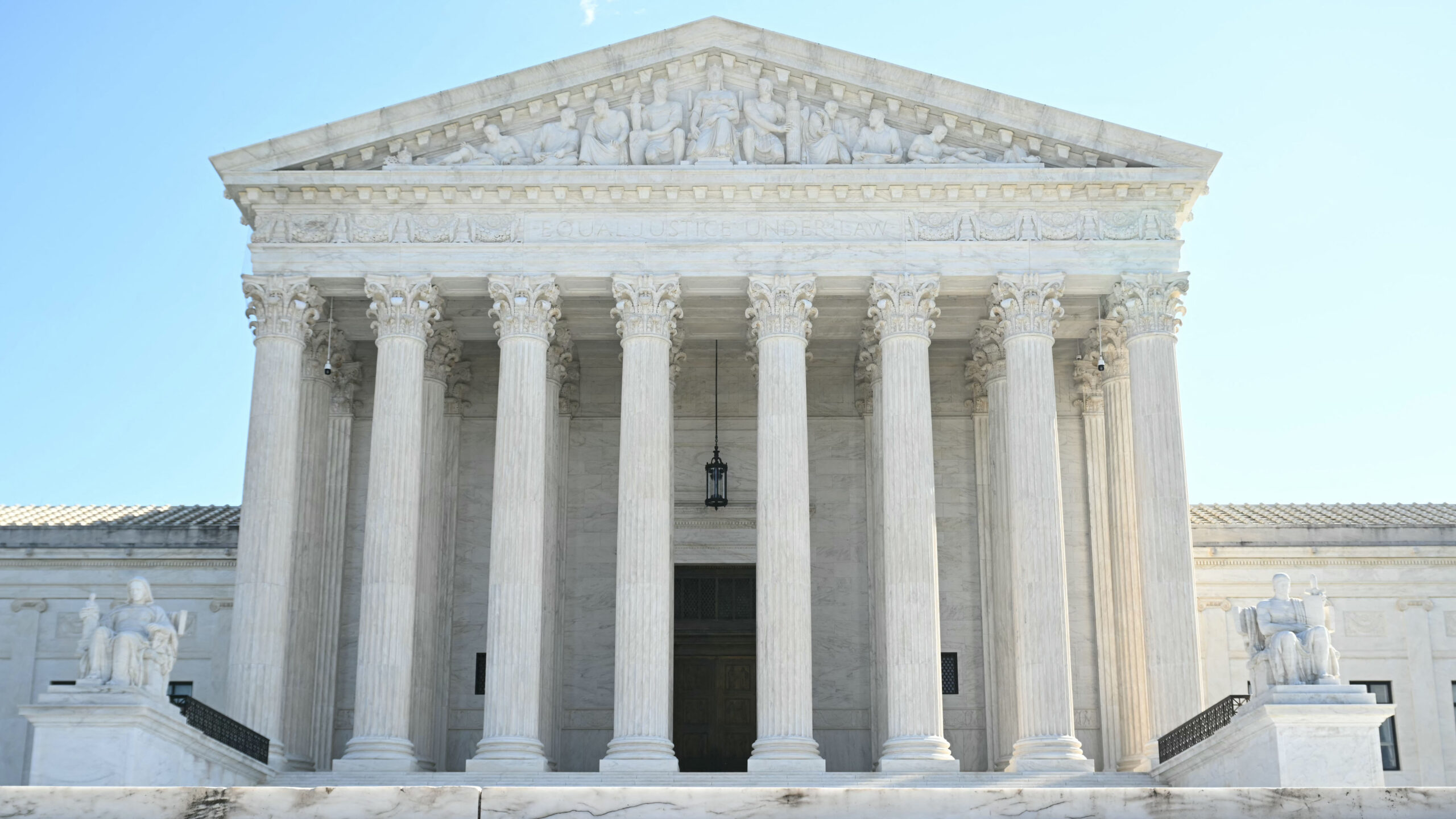





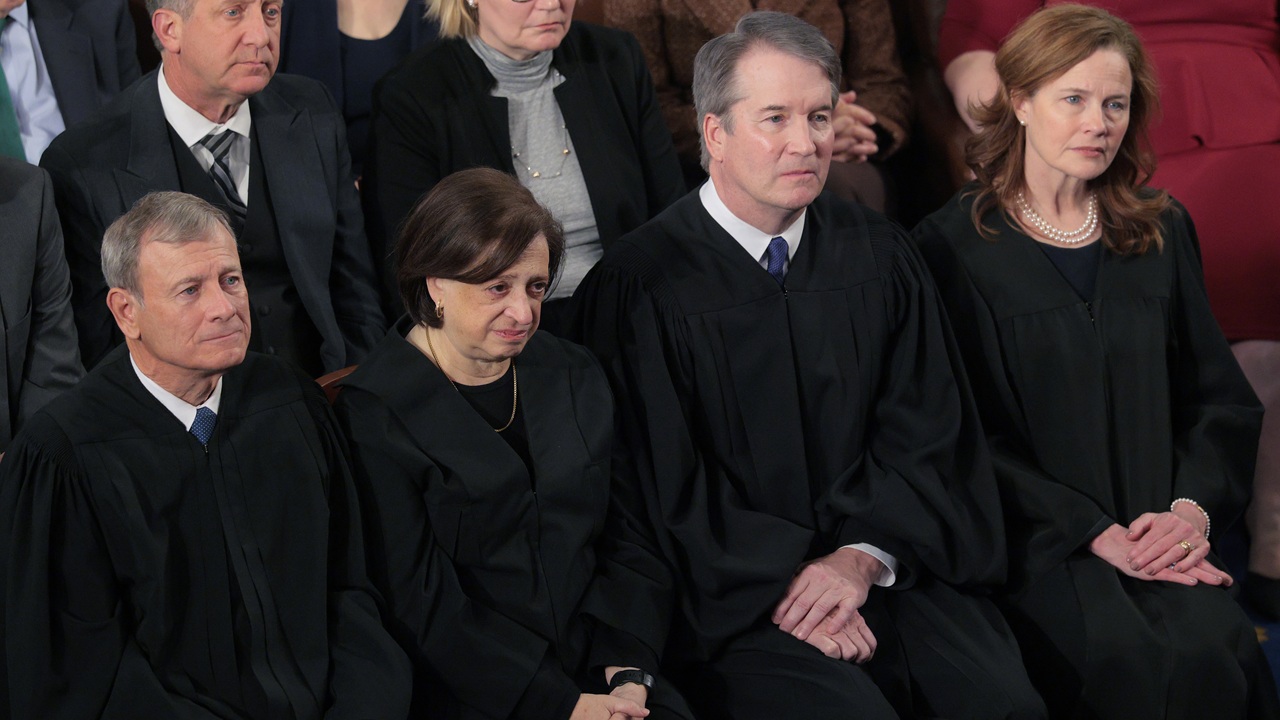
What constitutes “material support … to a terrorist organization” under federal law? That’s the question the Supreme Court of the United States will decide in Blanche v. Ozurumba.
This matters because the Immigration and Nationality Act (INA) makes clear that those who provide such support to terrorist organizations are ineligible for asylum and other immigration benefits in the United States.
In this case, Izuchukwu Ozurumba, a Nigerian citizen, served for six months as a camp cook outside of Lagos, Nigeria, for a terrorist organization known as the “Unknown Gunmen.” This separatist organization says that it exists to “kill people working for the government” and “cause destruction.”
Ozurumba claims he disagreed with the group’s violent tactics but wasn’t allowed to leave the camp. According to him, when he finally escaped, he fled to Venezuela before illegally entering the United States, where he surrendered to a Border Patrol officer and sought asylum.
An immigration judge, though, denied his asylum claim and ordered him removed from the United States because the IJ found he provided “material support” to a terrorist organization by serving as a cook for the Unknown Gunmen. The Board of Immigration Appeals affirmed the decision.
But when the case moved to the 4th Circuit Court of Appeals, the three-judge panel held in a 2-1 decision that in order for support to be “material,” it essentially had to be something that the terrorist “organization could use or readily divert to plan or carry out its terrorist activities.” Cooking, like that done by Ozurumba, doesn’t qualify, said the court. But as Judge Julius “Jay” Richardson pointed out in dissent, Napoleon Bonaparte—or perhaps Frederick the Great of Prussia—slyly made clear that “an army marches on its stomach.”
The federal government, in asking the Supreme Court to review and reverse the 4th Circuit, holds the view that “y its plain terms, the bar against those who provide ‘material support’ does not distinguish between guns and butter.” Solicitor General D. John Sauer argued that the bar “applies to all who help a terrorist organization function, not just to those who specifically advance its terrorist activities.”
This is not a new or surprising position, and it has been taken by both Republican and Democratic administrations. For example, after 9/11, the United States captured and prosecuted Salim Ahmed Hamdan as an al Qaeda terrorist, even though he was “only” the personal driver and bodyguard of Osama bin Laden. Cooks, drivers, mechanics, and other non-warfighting personnel provide material support to warfighters.
And on Oct. 13, the Supreme Court agreed to hear the case to resolve this important question. It will likely be argued early next year.
Continue reading...
[ H/T The Daily Signal ]