




Indians Panic After Trump Sabotages Tech Firm Green Card Pipeline
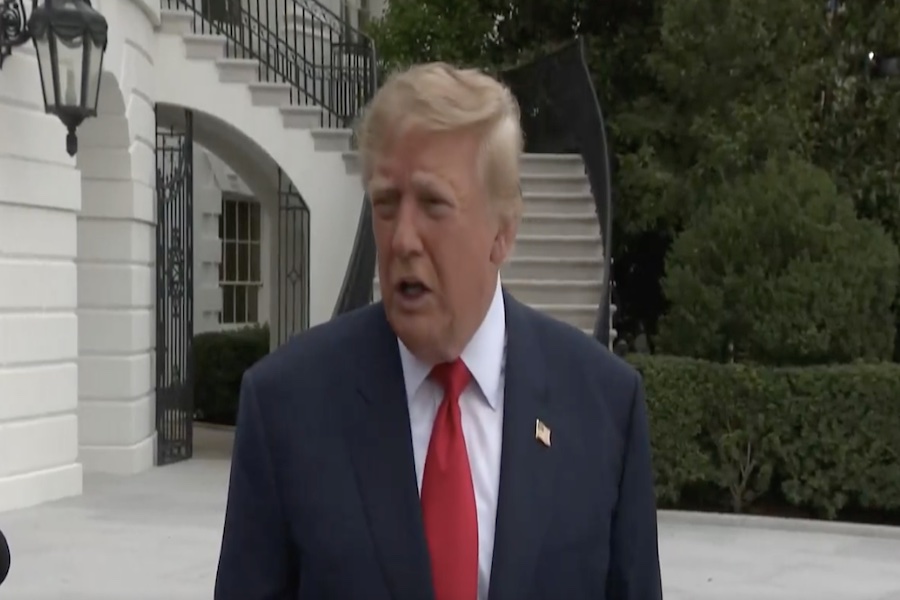
On October 8, 2026, Vice President JD Vance and Labor Secretary Keith Sonderling announced that the Department of Labor will not accept any new PERM applications (Permanent Labor Certification) or process any pending applications involving a list of prominent tech firms. The action is being enforced amid ongoing federal investigations into alleged abuse of employment-based immigration programs.
This decision elicited outrage from a myriad of Democrats, but the group most flustered by the situation is undoubtedly Indian migrant workers and representatives. India is by far the greatest beneficiary of America's H-1B migrant worker program, and it's not even close.
Over the past ten years alone, over 8.7 million H-1B visas have been given to Indian nationals. Roughly 70% of all H-1B approvals every year go to Indians.
There are a number of reasons why this level of targeted immigration is a problem. The first reason is that these visas are often exploited as a stepping stone to gain a green card and permanent residency in the US.
H-1B visas are supposed to last for only a few years at most, but migrant workers can remain in the US for far longer. This is done through the PERM certification process, which allows employers to sponsor migrant workers for a green card, which can then be used to gain full citizenship after a few years. Trump's suspension of PERM extends to a number of major tech firms including: Microsoft, Adobe, and Capgemini, along with Indian companies like Tata Consultancy Services (TCS), Infosys, Wipro, HCLTech, and Cognizant.
The tech industry has been used as a pipeline for third world immigration for decades - Corporations have systematically eliminated hundreds of thousands of American jobs in favor of migrant workers because these workers take 17% to 40% less pay to fill certain rolls.
For example, Vice President JD Cance cites an ongoing investigation into Microsoft. He says that the company is suspected of firing over 6000 American tech workers, then used the visa machine to import over 6300 H-1B recipients along with helping 3000 others receive green cards. The vast majority of these workers are from India.
India’s foreign ministry pushed back on the announcement. They said the U.S. action “does not advance the shared ambitions of both countries.” They specifically called Vance’s description of foreign workers as “indentured servants” unwarranted and "deeply offensive."
Politicians in the US with an Indian background were also angered by the block of PERM, perhaps because these representatives have a habit of using their positions to also barter H-1B and green card access for their compatriots.
The panic on social media was palpable, with Indian accounts raging over the potential loss of US economic access. Their primary argument? That the US tech industry is dead in the water without them because the US doesn't have enough "brilliant" tech engineers to fill the necessary job roles. They claim that their "service" to the US economy earns them the right to permanent residency, but that's not how these things work.
These people agree to get paid to do a job, they are not entitled to citizenship just because they are willing to work for less. And let's consider their logic for a moment: If Indian tech workers are so highly skilled and bring so much value, why isn't India one of the most technologically advanced countries in the world? Why don't these workers bring any added value to their own economy? Why is India 150th in the world per capita?
Probably because the "high IQ" Indian tech worker narrative is a scam.
Their only value on the global market is their willingness to work for low wages. But why do Indians work for so much less? It's important to understand that US companies are offering a commodity on top of the otherwise low pay - And that commodity is permanent US residency. These companies are essentially selling access to US citizenship in exchange for cheap labor.
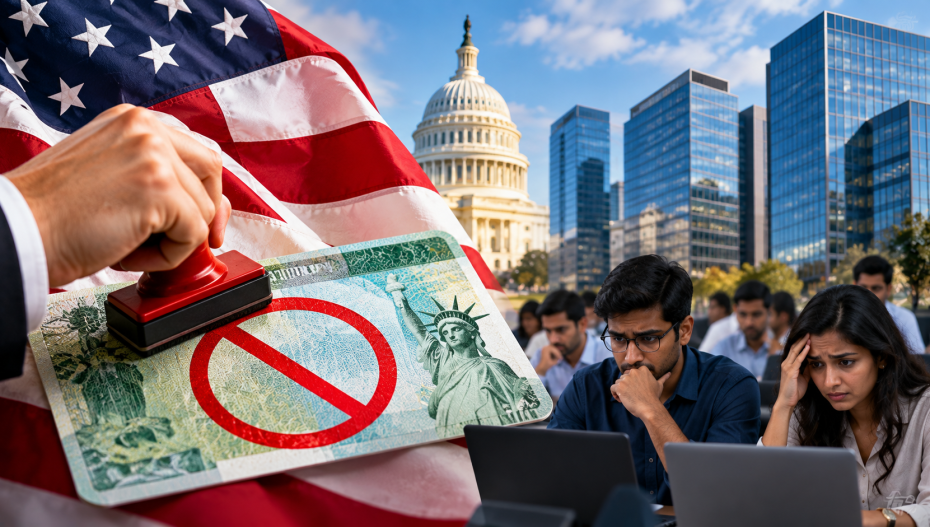
It's quite the deal for tech firms if you think about it. They get thousands of cheap laborers, and they get to use a commodity that requires minimal cost. Microsoft might pay around $4000 on average in attorney's fees to apply for a migrant worker to get PERM status, but they save tens-of-thousands on every migrant worker salary. The people who suffer most are American workers who get replaced.
Indian tech workers make a yearly salary of around $12,000 to $20,000 in their home country. A job in the US makes them significantly more, even with the pay cut. This money is often wired from the US back to India where US dollars have far greater buying power than the Rupee. Access to the US economy is a gold mine for third world migrants.
India's economy also benefits indirectly from H-1B immigration. India is the largest beneficiary of remittances in the world. The country received approximately $40 billion in cash transfers from the US every year, which is larger than the majority of India's budget for subsidized programs like welfare. It is 7% of the government's entire annual budget. That's massive.
So, it makes sense why there is a complex fraud network on both sides of the ocean to make Indian immigration happen. Indian workers are notorious for using fake degrees to get H-1B approval, but many US companies look the other way because they want the low wage labor. The Indian government backs the fraud because they get billions of dollars in cash flow into their economy on the back end. And the migrants happily participate because they get a much higher chance of gaining US citizenship, which is one of the most valuable commodities in the world.
It's one of the biggest economic rackets on the globe. It's also a key vehicle for the multicultural invasion of the US. There is no benefit to the American people to import millions of third world migrants, and it's about time that someone did something to stop the chain of abuse.
Tyler Durden Sat, 10/10/2026 - 14:35
Continue reading...
[ H/T ZeroHedge ]
On October 8, 2026, Vice President JD Vance and Labor Secretary Keith Sonderling announced that the Department of Labor will not accept any new PERM applications (Permanent Labor Certification) or process any pending applications involving a list of prominent tech firms. The action is being enforced amid ongoing federal investigations into alleged abuse of employment-based immigration programs.
This decision elicited outrage from a myriad of Democrats, but the group most flustered by the situation is undoubtedly Indian migrant workers and representatives. India is by far the greatest beneficiary of America's H-1B migrant worker program, and it's not even close.
Over the past ten years alone, over 8.7 million H-1B visas have been given to Indian nationals. Roughly 70% of all H-1B approvals every year go to Indians.
There are a number of reasons why this level of targeted immigration is a problem. The first reason is that these visas are often exploited as a stepping stone to gain a green card and permanent residency in the US.
H-1B visas are supposed to last for only a few years at most, but migrant workers can remain in the US for far longer. This is done through the PERM certification process, which allows employers to sponsor migrant workers for a green card, which can then be used to gain full citizenship after a few years. Trump's suspension of PERM extends to a number of major tech firms including: Microsoft, Adobe, and Capgemini, along with Indian companies like Tata Consultancy Services (TCS), Infosys, Wipro, HCLTech, and Cognizant.
The tech industry has been used as a pipeline for third world immigration for decades - Corporations have systematically eliminated hundreds of thousands of American jobs in favor of migrant workers because these workers take 17% to 40% less pay to fill certain rolls.
For example, Vice President JD Cance cites an ongoing investigation into Microsoft. He says that the company is suspected of firing over 6000 American tech workers, then used the visa machine to import over 6300 H-1B recipients along with helping 3000 others receive green cards. The vast majority of these workers are from India.
India’s foreign ministry pushed back on the announcement. They said the U.S. action “does not advance the shared ambitions of both countries.” They specifically called Vance’s description of foreign workers as “indentured servants” unwarranted and "deeply offensive."
Politicians in the US with an Indian background were also angered by the block of PERM, perhaps because these representatives have a habit of using their positions to also barter H-1B and green card access for their compatriots.
The panic on social media was palpable, with Indian accounts raging over the potential loss of US economic access. Their primary argument? That the US tech industry is dead in the water without them because the US doesn't have enough "brilliant" tech engineers to fill the necessary job roles. They claim that their "service" to the US economy earns them the right to permanent residency, but that's not how these things work.
These people agree to get paid to do a job, they are not entitled to citizenship just because they are willing to work for less. And let's consider their logic for a moment: If Indian tech workers are so highly skilled and bring so much value, why isn't India one of the most technologically advanced countries in the world? Why don't these workers bring any added value to their own economy? Why is India 150th in the world per capita?
Probably because the "high IQ" Indian tech worker narrative is a scam.
Their only value on the global market is their willingness to work for low wages. But why do Indians work for so much less? It's important to understand that US companies are offering a commodity on top of the otherwise low pay - And that commodity is permanent US residency. These companies are essentially selling access to US citizenship in exchange for cheap labor.
It's quite the deal for tech firms if you think about it. They get thousands of cheap laborers, and they get to use a commodity that requires minimal cost. Microsoft might pay around $4000 on average in attorney's fees to apply for a migrant worker to get PERM status, but they save tens-of-thousands on every migrant worker salary. The people who suffer most are American workers who get replaced.
Indian tech workers make a yearly salary of around $12,000 to $20,000 in their home country. A job in the US makes them significantly more, even with the pay cut. This money is often wired from the US back to India where US dollars have far greater buying power than the Rupee. Access to the US economy is a gold mine for third world migrants.
India's economy also benefits indirectly from H-1B immigration. India is the largest beneficiary of remittances in the world. The country received approximately $40 billion in cash transfers from the US every year, which is larger than the majority of India's budget for subsidized programs like welfare. It is 7% of the government's entire annual budget. That's massive.
So, it makes sense why there is a complex fraud network on both sides of the ocean to make Indian immigration happen. Indian workers are notorious for using fake degrees to get H-1B approval, but many US companies look the other way because they want the low wage labor. The Indian government backs the fraud because they get billions of dollars in cash flow into their economy on the back end. And the migrants happily participate because they get a much higher chance of gaining US citizenship, which is one of the most valuable commodities in the world.
It's one of the biggest economic rackets on the globe. It's also a key vehicle for the multicultural invasion of the US. There is no benefit to the American people to import millions of third world migrants, and it's about time that someone did something to stop the chain of abuse.
Tyler Durden Sat, 10/10/2026 - 14:35
Continue reading...
[ H/T ZeroHedge ]