








Well, this is a new one.
An illegal immigrant in Boston, MA has been arrested by ICE after winning the lottery.
Last week, Ariel Velasquez-Morales — who is originally from El Salvador — won $1 million from a scratch-off ticket that he bought at a market in East Boston.
The Massachusetts State Lottery posted a photo of him, smiling and holding his check, on Facebook.
Unfortunately for Velasquez-Morales, ICE identified him based off of that photo and quickly detained him.
Talk about a turn of luck!
Bill Melugin of Fox News shared the details:
A deportation order has been out on Velasquez-Morales for twelve years.
He first illegally crossed the border in 2013.
ICE released a statement on his arrest:
At this time, it’s unclear whether or not Velasquez-Morales will be able to keep the money he won.
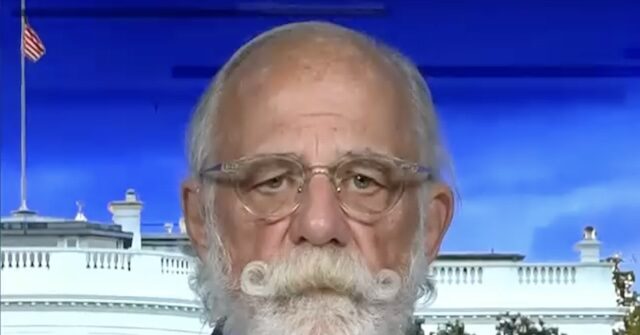
Former DHS official James Percival weighed in on what happens next in this Fox News clip:
NOW: That Massachusetts lottery winner arrested by ICE may not be walking away with the jackpot after all.
Former DHS official James Percival says the man was ordered removed back in 2014 and ignored it for more than a decade. According to Percival, anyone who stays after a… pic.twitter.com/HsXtX1XpRl
— Gunther Eagleman(@GuntherEagleman) November 25, 2026
In the state of Massachusetts, you do not need to provide proof of citizenship to play.
However, you do need to present a Social Security card to collect winnings.
Boston Globe has more on the process:
Maybe this could be a good way to catch illegal aliens…
The Hill provided some specific numbers on how many illegal immigrants play:
Your thoughts?
Continue reading...
[ H/T WLT Report ]


