







The Trump administration just opened the files on one of Washington’s most aggressive censorship machines.
A massive new release of internal USAID emails, memos, presentations and planning documents shows officials working with outside groups and major technology platforms to shape what the public could see, what news outlets advertisers would support and how government pressure could be kept out of public view.
The archive covers more than a decade of agency work. Its most explosive records come from the Biden years, when USAID officials were discussing domestic “disinformation,” conservative media and direct engagement with companies such as Meta.
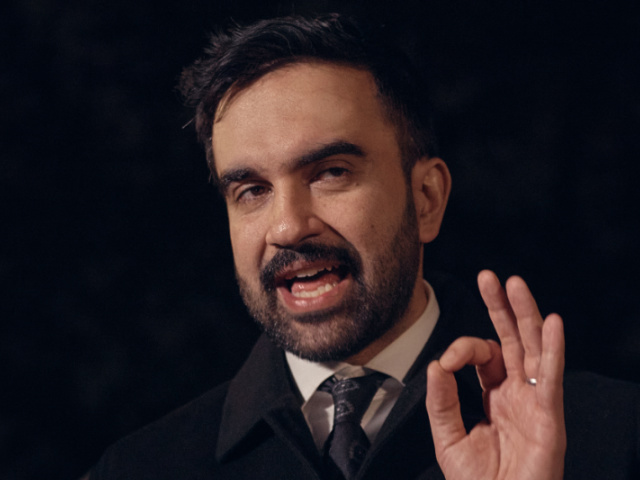
One newly released video captures a Global Disinformation Index presentation about the Hunter Biden laptop story and the effort to prevent it from gaining traction before the 2020 election:
USAID has now published 248 internal files dated from 2013 through 2024, including emails, chat logs, program reviews, counsel’s guidance and video presentations. The administration says the records show the agency was weaponized to advance a political agenda that ran against American values.
The release includes a downloadable archive and individual government-hosted files whose names are bound to cryptographic hashes. That makes the evidence available for independent review instead of forcing Americans to accept a political summary of what the records contain.
Most of the material comes from the Biden administration, but the archive reaches back across multiple administrations. Together, the files trace how a foreign-aid agency built programs around information control, platform pressure and media classification while its own lawyers warned about coercion and legal red lines.
The files contain the officials’ own words, their internal concerns and the legal warnings they received while trying to influence the information Americans encountered online.
In a January 2022 presentation hosted for USAID staff, Global Disinformation Index co-founder Danny Rogers argued that “disinformation” should not be judged simply by whether a story was true or false.
His example was Breitbart’s reporting on crimes committed by illegal aliens.
Rogers acknowledged that the individual stories were based in fact and would generally survive fact-checking. He still described the coverage as disinformation because the collection of accurate reports created what GDI considered an unacceptable anti-immigration narrative.
The newly released clip shows exactly how the standard worked: factual reporting could still be targeted when the political conclusion drawn by readers displeased the people policing the narrative.
Breitbart News reports that GDI maintained a “Dynamic Exclusion List” used to brand at least 39 conservative outlets as false or misleading. The list reportedly included The Blaze, Judicial Watch, RealClearPolitics, The Daily Wire, The Washington Times and the Washington Examiner.
That designation carried financial force. GDI’s system was designed to steer advertisers away from targeted publishers, cutting off revenue to news organizations whose reporting challenged the approved narrative.
During the USAID presentation, Rogers pointed directly to Breitbart’s illegal-immigration crime coverage. He admitted the individual reports were grounded in fact, then argued that collecting those facts created an “adversarial narrative” because readers could conclude that lax immigration enforcement carried a human cost.
USAID staff responded warmly to the presentation. One attendee described a “roaring ovation” from agency cameras and thanked Rogers for his presentation.
GDI later faced congressional scrutiny and lost financial backing over its role in starving conservative publishers of advertising revenue. The released meeting shows the group pitching that same worldview directly inside a federal agency.
Other records show USAID officials knew the political sensitivity of what they were doing.
The Lacuna Project cataloged the release and matched every published file to its hash. Its review found an October 2022 email in which a deputy assistant administrator said staff were under instructions to keep USAID’s Information Resilience Council “extremely non-public” because of the public-relations disaster that had followed a similar DHS effort.
Two days later, after the White House circulated press coverage of the Election Integrity Partnership, USAID official Vera Zakem wrote that the episode confirmed the need to “get through the midterms without any leaks.”
The same archive contains counsel’s guidance telling staff to write emails and chats as though they expected Congress or a Freedom of Information Act request to expose them. Officials were advised to avoid words such as “influence,” “change” and “shape” because those terms could raise red flags.
This was not ordinary public diplomacy overseas. Internal records show an interagency process wrestling with domestic speech, American elections and the limits on intelligence agencies when American citizens were involved.
A 2023 USAID program review defined “platform accountability” as action to compel social-media companies to accept responsibility for how they rank, filter, moderate and remove content or user accounts.
Planning notes from that year discussed how USAID and its partners could engage Meta while staying on the safe side of legal lines. One instruction encouraged direct collaboration between platforms and outside partners so USAID would not be part of the conversation.
The files also document what was called a “USAID Platform Intervention Pilot,” an effort involving major online platforms:
The legal alarms inside the agency became impossible to ignore.
In April 2023, USAID counsel reviewed a proposed question asking how government officials could persuade technology companies to change their community standards without an act of Congress or formal FCC regulation. Counsel warned that the language looked like an attempt to make an end run around ordinary regulatory processes.
A year later, senior agency counsel cautioned that repeated pointed questions to Meta about its Trusted Partner Program could be viewed as coercive and said any talking points would need careful review to avoid crossing legal red lines.
That is the heart of this release.
The work went far beyond studying propaganda from hostile foreign governments. Officials were building systems that could punish truthful reporting, route pressure through outside partners and keep the government’s fingerprints away from the final moderation decision.
President Trump, Secretary of State Marco Rubio and DOGE shut USAID down because an agency funded by American taxpayers had wandered far outside its legitimate mission.
The files now give the American people the receipts.
For years, conservatives were told the censorship machine was imaginary. USAID’s own emails, presentations and legal warnings tell a very different story: the machine was real, the targets were political and the people operating it knew public exposure could blow the whole thing open.
Continue reading...
[ H/T WLT Report ]


