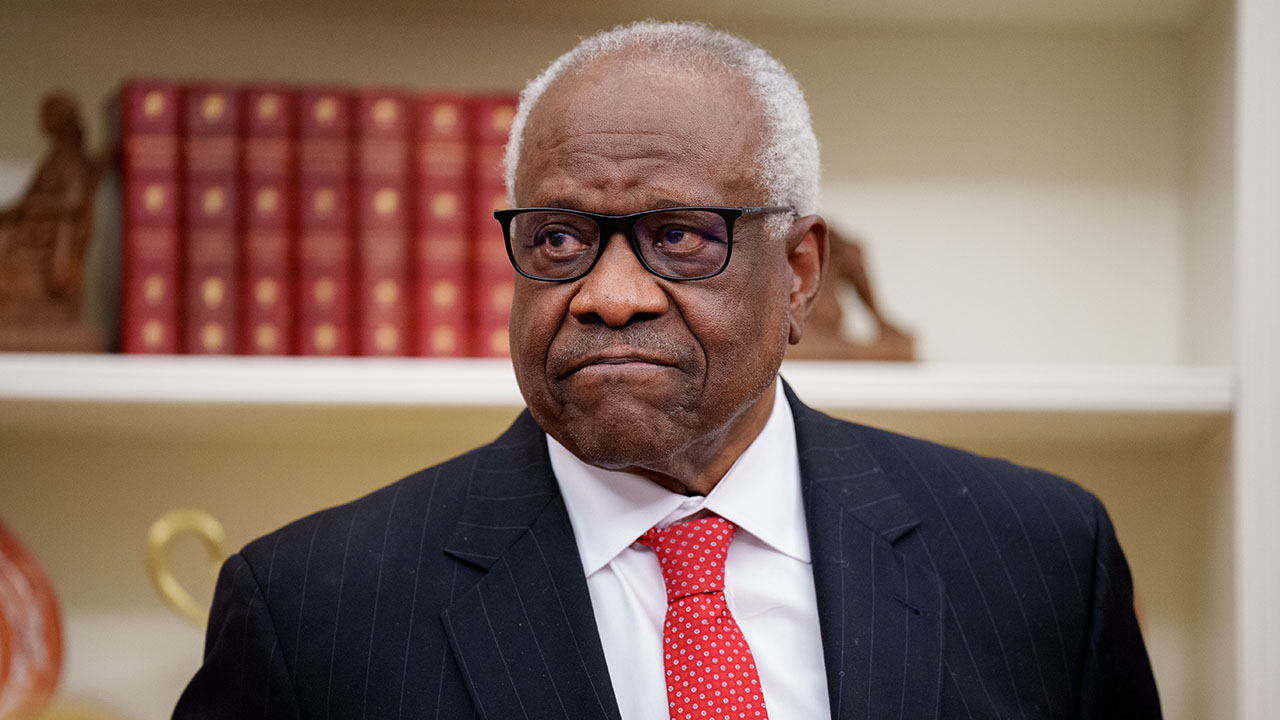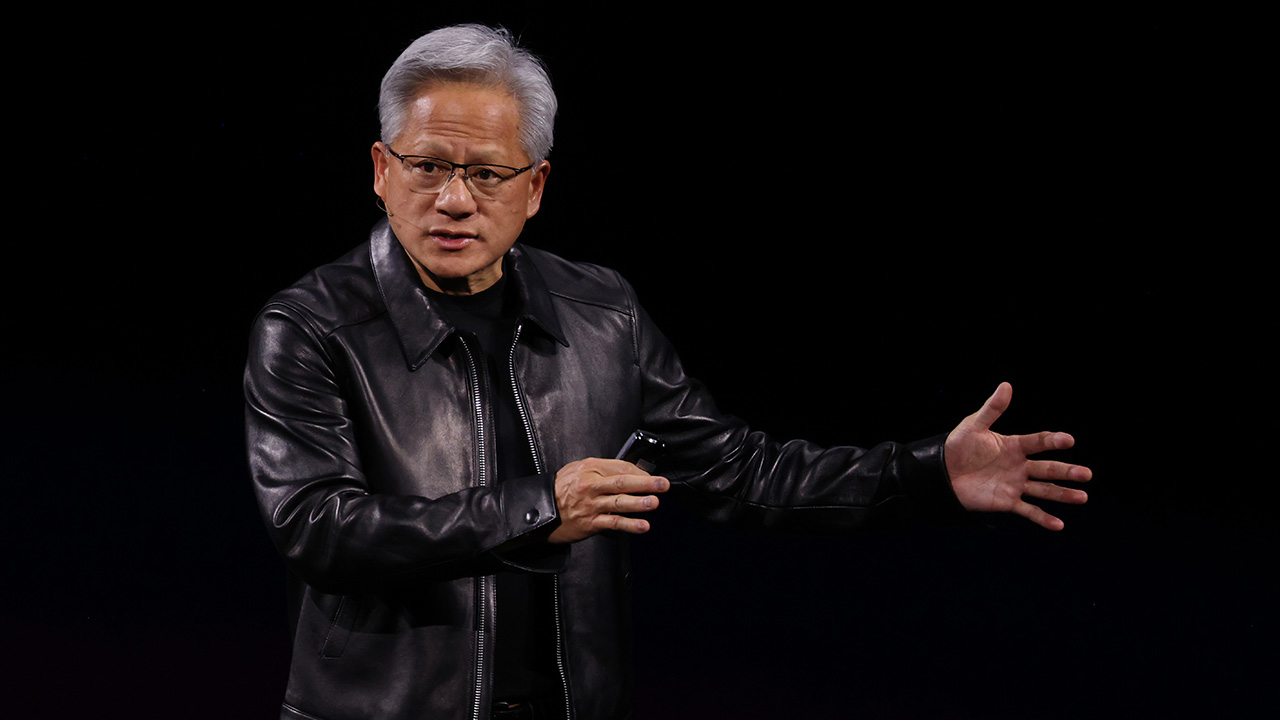




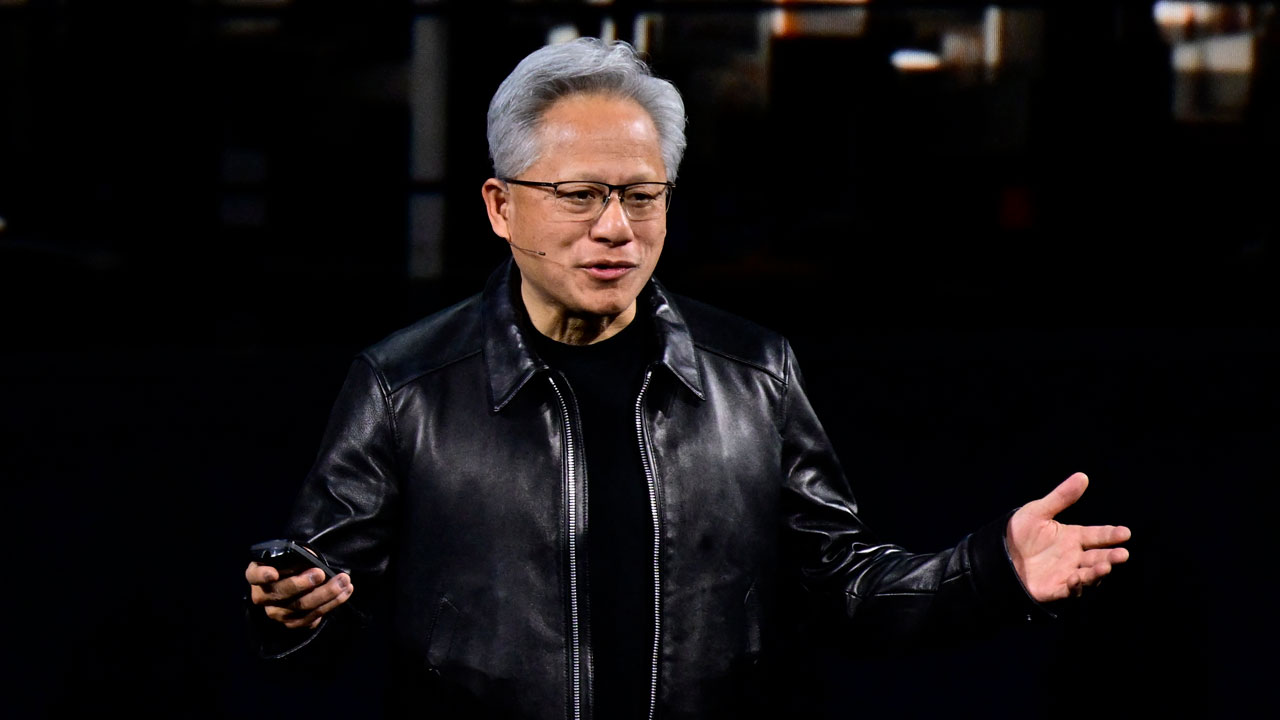
On Thursday, Jensen Huang stepped down as CEO of Nvidia over his affair with a suspected Chinese spy. It’s the latest reminder of Beijing’s determination to get its hands on American technology.
Reports that the woman helped facilitate $7.5 billion in chip shipments to China have raised serious national security concerns, and this is far from the first time this kind of espionage has occurred. In New York, the Chinese conglomerate Huawei is on trial for a litany of alleged crimes, including stealing trade secrets from American companies and violating sanctions on Iran and North Korea.
The trial is so sensitive that U.S. District Judge Ann Donnelly has closed off parts of it to the press and public, concerned about retaliation from China against witnesses and their families. Huawei, while ostensibly a private company, is in reality a tool of the Chinese state and a key part of its economic strategy.
It’s enough to make you feel grateful for American tech companies. Yes, Silicon Valley has dabbled in censorship and data mining; it has turned a tin ear to valid concerns about data centers. But China provides a glimpse at what a truly socialist economy looks like.
American tech companies, for all their flaws, still compete in (relatively) free markets where there are minimal barriers to market entry and plenty of liquid capital to go around, whereas in China, everything is engineered by the government and co-opted into its anti-Western agenda.
What we need now is not to become more like the Chinese in order to compete with them. What we need now is to double down on American freedom, competition, and dynamism.
Take the semiconductor, one of America’s most important inventions. From postwar Bell Laboratories, which invented the transistor, to William Shockley with his junction transistor, to the immortalized Robert Noyce, who pioneered the integrated circuit, the history of the chips that power our devices is one of American inventors discovering and American companies competing.
Much has been made about the AI race between the U.S. and China, but less is said about the semiconductor components that go into AI. It’s estimated that 65% of China’s AI capacity will come from U.S. semiconductors by the end of next year.
This is how significant the American advantage is. And not just American. All across the West, from the U.K. to Germany, from Arm Holdings to Infineon Technologies, companies are pioneering new developments in semiconductors.
This is vital since sustainable AI that improves our lives while using less power is going to require more powerful chips. Sure enough, the AI boom is driving an AI-chip boom that’s seeing Western-aligned companies compete while bringing in more sales revenue and creating jobs.
As for AI itself, the United States and China are locked in a tough footrace over this key technology. But while alarmist headlines blare that China has erased America’s lead on AI, these claims are generally overstated.
The Lowy Institute recently looked at the American and Chinese AI sectors and concluded, “The United States is winning the race in artificial intelligence,” as “US data centres boast nearly 40 times the processing power (or ‘compute’) of China’s” and “US AI chips 31 times.” Lowy estimated that “US models outperform China’s best, consistent with claims of a six-to-nine-month lead.”
In spite of endless Chinese IP theft and state subsidies, the U.S. remains ahead on both AI models and AI computing components. Why? In 2025, the United States had 1,953 newly funded AI companies compared with just 161 in China. This was driven by $286 billion in private AI investment, compared with a mere $12.4 billion in China.
The United States is simply more dynamic than China even on its worst day. We’re still that country where you can start a business in your garage and get a healthy injection of capital if you’ve got a great idea.
If we want to truly beat China on chips, AI, and other tech, then we know the way forward. The U.S. should make it even easier for new entrants into the tech sector. That means knocking down barriers that raise the costs of market access or even make it outright impossible.
The U.S. patent system, for example, badly in need of reform, allows incumbent companies to build IP moats around entire classes of products that keep out newcomers. High construction and permitting costs likewise deter companies from building the infrastructure they need and are a major reason most chip manufacturing is done overseas.
Let’s make sure the American tech sector remains dynamic, never hardening into a clique of Chinese-style cartels. That’s how we secure our economy against bad actors like Huawei.
We publish a variety of perspectives. Nothing written here is to be construed as representing the views of the Daily Signal.
Continue reading...
[ H/T The Daily Signal ]