







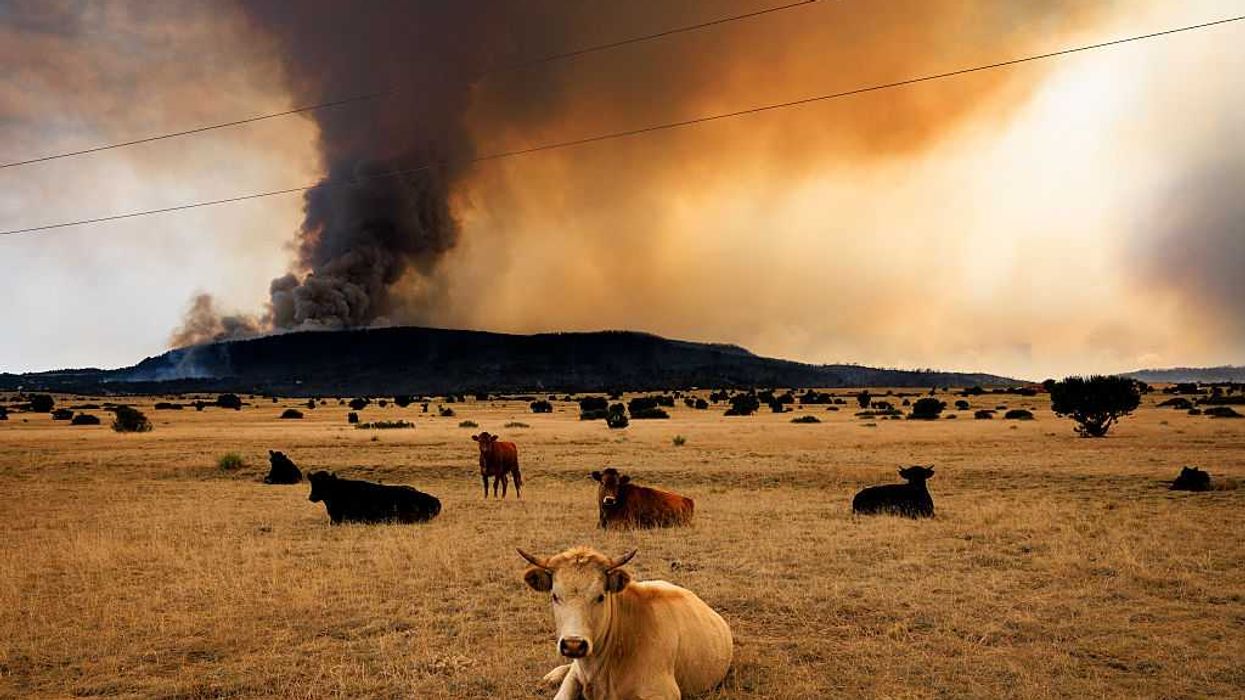
Wildfire smoke has again spread across large swaths of the United States, some of it settling into our Montana valley.
As I watch it drift across the landscape, I have questions.
Until climate activists learn proportion, humility, and a willingness to live under the rules they prescribe for everyone else, let the cows fart in their general direction.
For most of my adult life, I have heard that cattle are harming the climate. The public warning is often reduced to a crude slogan: Cow flatulence is destroying the planet.
Cattle actually release far more methane by belching than by farting. That distinction is easily missed by people who lecture ranchers about animals they have never raised.
Some of those lecturers also live on a scale few ranchers could imagine.
One billionaire owns a home in this region whose construction consumed enormous quantities of timber, stone, concrete, copper, fuel, heavy equipment, transportation, and energy. And that was before anyone heated, cooled, maintained, or traveled to it.
He is free to build it. His lectures about someone else’s cattle still deserve scrutiny.
This is not an argument against climate science. Cattle produce methane. Human activity affects the environment. Clean air, healthy soil, responsible forestry, and wise stewardship all deserve serious attention.
So do perspective, proportion, and credibility.
Our family partners with local ranchers to graze cattle on our property. They evaluate the grass, moisture, acreage, herd size, grazing time, and recovery period. They know which pasture can carry cattle and which one needs rest.
Responsible grazing reduces excess vegetation while improving grass for cattle and wildlife.
We have also logged portions of the property, removing unhealthy and overcrowded trees. We cannot prevent lightning or command the weather. Wildfires will happen. Thoughtful grazing, logging, and forest management can still reduce fuel and risk.
That is good old-fashioned stewardship.
Protecting land does not always mean leaving it untouched. Sometimes it means tending what has been entrusted to us. That principle ought to provide common ground rather than another excuse for a climate battle.
People with dirt under their fingernails rarely spend much time posting about sustainability. They are too busy practicing it. Their environmentalism is not a brand. It is a responsibility.
RELATED: How one lowered flag carried me home

The land corrects arrogance. Rain may not come. Winter may arrive early. One careless decision can damage a pasture for years.
Farmers and ranchers understand stewardship because their livelihoods, families, and futures depend on it. They have skin in the game.
Cattle do not recognize Christmas, birthdays, or weekends. They require attention every day.
Yet ranchers must stop that work to gather records, attend hearings, answer regulators, call attorneys, and explain livestock to people who have never raised an animal, repaired a fence in January, or waited anxiously for rain.
Every hour spent defending ranching is an hour not spent ranching.
The activist loses nothing by being wrong. The bureaucrat still gets paid. The rancher loses time, money, and sometimes the ability to pass the operation to the next generation.
The absurdity does more than insult the people producing our food. It interrupts them.
I watch smoke from fires whose damage might have been reduced through better stewardship. I watch other nations operate under standards American producers would never be allowed to ignore. Then I hear wealthy climate voices lambaste farmers and ranchers who must dip into thin profits to defend themselves against well-funded organizations that bear few consequences for bad policy.
Those critics do not wake before dawn to tend livestock or land.
A third-generation rancher will naturally hesitate to take livestock advice from someone lecturing on TikTok from Starbucks.
Agriculture has an environmental footprint, as does nearly everything required to sustain human life.
Yet when wildfires send smoke across a continent and major industrial nations emit pollution on a scale no Montana rancher could approach, the cow somehow remains a favorite villain.
Perhaps ranchers make convenient targets because they are nearby. They pay taxes, keep records, answer regulators, and obey the law. They are much easier to pressure than foreign governments or wealthy climate evangelists whose lifestyles make their sermons difficult to take seriously.
America’s ranchers may be easier to regulate than the Chinese Communist Party. That does not make them the greater threat.
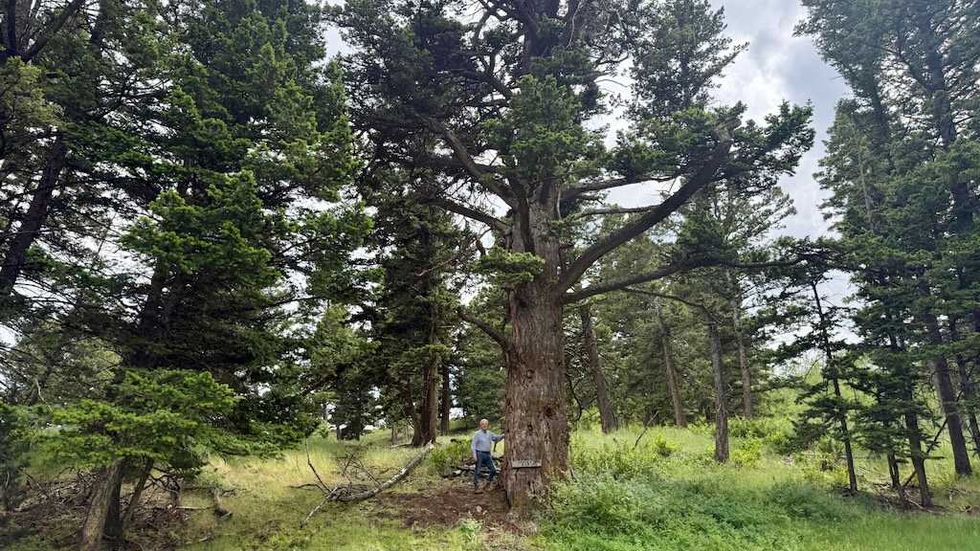
RELATED: Consider the lilies — and one old Montana fir
The double standard is not confined to policy. The people demanding sacrifice from everyone else often embody it.
None of this disproves climate science. It reveals something about conviction.
If you insist the theater is on fire while buying a penthouse above the stage, the audience may wonder whether you believe your own warning.
Hypocrisy destroys moral authority.
If the threat is global, apply the standards globally. If sacrifice is urgent, those demanding it should go first. If sustainability matters, listen to the people who have spent generations sustaining land, livestock, families, and communities.
Regulating American production out of existence does not make the world cleaner when the same goods are produced elsewhere under weaker standards and shipped back across an ocean.
That is outsourcing with a halo.
Ranchers are not asking to escape responsibility. They are asking not to be treated as environmental criminals by people who share neither their experience nor their consequences.
Perhaps, for once, we need more consistency and less cowbell.
Until climate activists learn proportion, humility, and a willingness to live under the rules they prescribe for everyone else, let the cows fart in their general direction.
Continue reading...
[H/T Blaze Media]