




Millions of Americans are preparing for a familiar seasonal adjustment this weekend as daylight saving time comes to an end, bringing an extra hour of sleep but also an unwelcome change that will leave much of the country facing darker evenings.
The annual tradition will once again affect households, businesses and commuters across the United States, with clocks moving backward as the nation transitions into the colder months.
While many Americans welcome the opportunity to gain an additional hour of rest, the change also means sunsets will arrive earlier, cutting into the daylight available after work and school.
The adjustment comes as lawmakers continue debating whether the country should abandon the twice-yearly clock changes altogether, an issue that has generated bipartisan interest in Washington but has yet to produce a permanent nationwide solution.
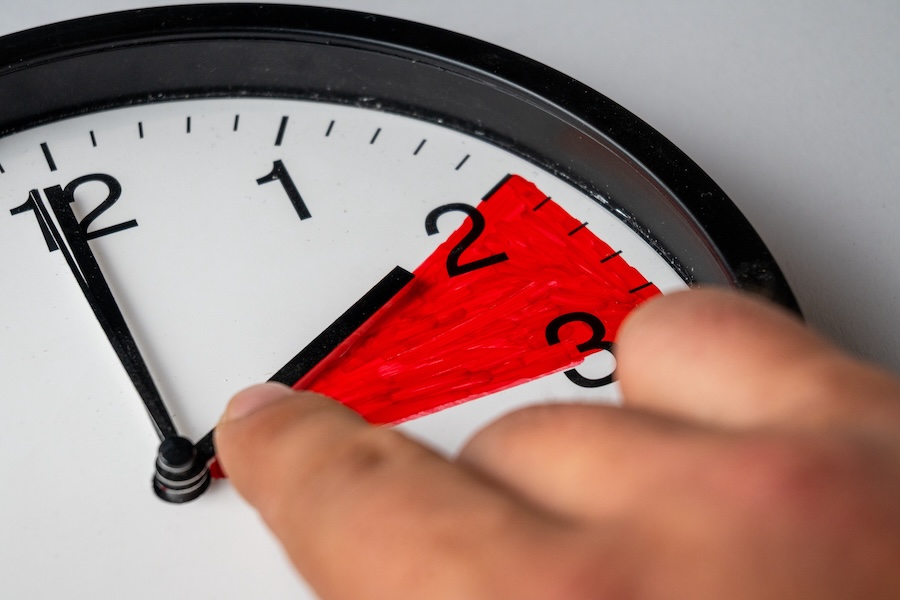
The change will officially take place at 2 a.m. local time on Sunday, November 1, when clocks will move backward to 1 a.m., giving Americans an additional hour overnight.
Most smartphones, computers and other connected devices will update automatically, although traditional clocks, watches and some household appliances will need to be adjusted manually.
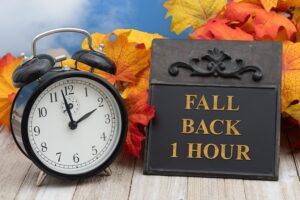
DST daylight saving time with Fall Back 1 Hour with fall leaves and alarm clock on wood bench
Not every state will participate. Hawaii and most of Arizona do not observe daylight saving time, while the Navajo Nation continues to follow the seasonal schedule. Several U.S. territories, including Puerto Rico and Guam, also remain on standard time throughout the year.
The approaching change comes just months after the Republican-controlled House of Representatives approved legislation aimed at ending the practice permanently.
In July, lawmakers passed the Sunshine Protection Act by a 309-117 vote, advancing a proposal that would establish permanent daylight saving time across much of the country.
President Donald Trump has publicly supported eliminating the twice-yearly adjustments, arguing that changing clocks creates unnecessary costs for Americans, businesses and local governments. However, the legislation has encountered resistance in the Senate, where several Republicans have expressed concerns about the consequences of keeping daylight saving time in place during winter.
Despite the House’s approval and Trump’s support, the proposal has not become law, leaving the existing system unchanged heading into November.
The debate has also extended to state governments. According to the Congressional Research Service, 19 states have enacted measures supporting permanent daylight saving time if Congress authorizes the change. For now, Americans will continue following the schedule established under federal law, which extends daylight saving time from March through early November.
Following Sunday’s adjustment, standard time will remain in effect until March 14, 2027, when clocks are scheduled to move forward again. Unless Congress reaches an agreement before then, Americans will face another round of the familiar clock-changing tradition next spring.
Continue reading...
[ H/T Trending Politics ]