

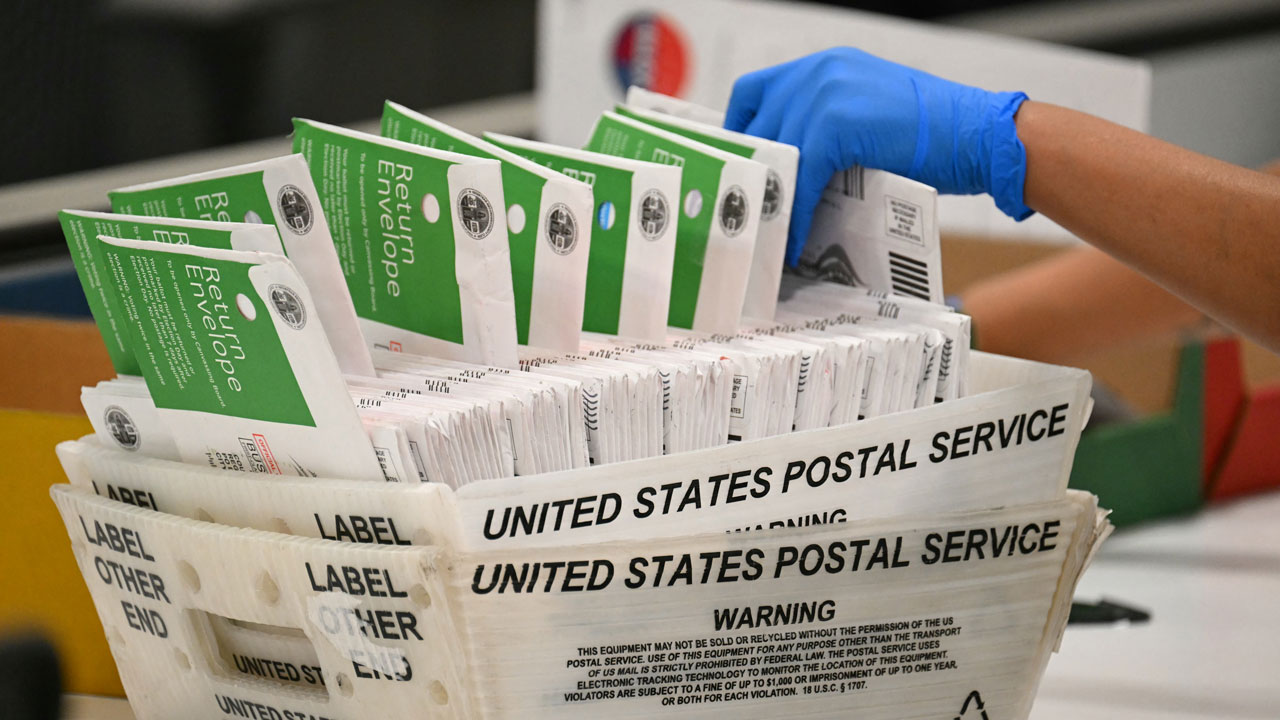



Critics of voter-roll enforcement love one line: This never happens. Federal prosecutors answered on Monday with 28 defendants. Operation Protect the Vote charges 28 green-card holders with allegedly registering or voting as citizens, and agents arrested 11. They’re presumed innocent, and they deserve their day in court. The rest of us deserve two things too: a state that cleans its rolls promptly and accurately, and a Justice Department that proves its numbers before it asks a judge to freeze ballots.
Prosecutors allege the defendants swore they were citizens on registration forms, in many cases voted, then denied it on naturalization paperwork. That felony counts carry up to five years, and a noncitizen voting in a federal election carries one year. I’ve sat through enough depositions to know that a complaint is a claim, and a verdict is a finding. Both matter, in that order.
Los Angeles prosecutors keep repeating the claim that this never happens here. Brenda Lee Brown Armstrong has agreed to plead guilty to paying people to register, and she allegedly gave Skid Row registrants her own former address when they had none. In 2018, the county district attorney charged nine people with paying homeless residents $1 or cigarettes for false signatures, and by 2020 seven had pleaded guilty or no contest. This September, federal prosecutors indicted James Brass and two others for allegedly forging registered voters’ names on petitions. Those cases involve paid registrations and forged petitions, a different offense than Monday’s charges, and the newest remain allegations. They still show that registration abuse is documented, prosecuted, and recurring.
Skepticism has a recent memory. In early returns from the June 2 Los Angeles mayoral primary, Nithya Raman ran about 40,000 votes behind Spencer Pratt for the runoff slot. Five days later she led by 3,113 votes with 368,000 ballots uncounted, and it took nearly a week to learn who would face Mayor Karen Bass. Late mail ballots are legal, and the fraud claims that followed were unsubstantiated. Slow, opaque counts still erode trust.
It would make election administration easier if California identified and removed ineligible registrations promptly and accurately. Federal law already requires a reasonable effort to remove voters who have died or moved, and California law directs county officials to cancel a registration upon proof that the person is otherwise ineligible. Any custodian of records owes it.
Proof is the operative word. Removing someone confirmed ineligible differs from removing everyone a database flags. The Department of Justice wants a federal court to block the counting of ballots tied to a list of more than 20,000 “likely” noncitizen registrants. The Department of Homeland Security first said 190,000 may be noncitizens, and Secretary of State Shirley Weber says California never received the data behind those numbers. The DHS says 20,000 is the subset it has manually verified so far. California Attorney General Rob Bonta asked, “What happened to those 170,000?” A judge will want an answer.
The law adds friction. Federal law bars systematic removal programs within 90 days of a federal election, and with Nov. 3 15 days away, ballots are already out. KQED reports that legal experts see an uphill fight, since similar DOJ suits over California’s rolls have failed.
Dr. Mehmet Oz, who runs Medicare, says Los Angeles County hospices represent “about three and a half billion dollars of fraud, we believe.” This month the State Auditor found the Department of Health Care Services had not begun investigating 26,000 of 28,000 highest-risk Medi-Cal providers, which the department disputes. Meanwhile, Bonta’s office reports 100 lawsuits against the Trump administration since January 2025. The voter rolls Weber and the state’s 58 counties maintain would welcome a fraction of that energy.
STOP TELLING VOTERS CRIME IS DOWN WHEN THEIR LOCAL STORES ARE BOARDED UP
Three steps would restore confidence. California should check citizenship against federal records at registration, as Georgia has done through its driver services agency since 2012. Its 2024 audit found 20 noncitizens among 8.2 million registrants, including nine of whom had voted. The DOJ should publish its methodology and give counties verified names under court supervision. Counties should flag suspicious addresses with unusual numbers of unrelated registrants and check each person individually, because California lets people without a fixed address register using a shelter’s address or the cross street where they sleep.
Prosecute the 28 on the evidence. Prove the 20,000 one name at a time. Voters accept results they can audit and resent ones they must take on faith. Every coach learns the same rule about instant replay: Nobody argues with the tape. Show the tape.
Jay Rogers is a financial professional with more than 30 years of experience in private equity, private credit, hedge funds, and wealth management. He has a Bachelor of Science in criminal justice from Northeastern University and has completed postgraduate studies at UCLA, the University of Pennsylvania, and Harvard. He writes about issues in finance, constitutional law, national security, human nature, and public policy.
Continue reading...
[ H/T Washington Examiner ]