





American innovation in drug discovery and biotechnology is making us healthier. But an expanding black market for experimental drugs threatens Americans’ safety and national security.
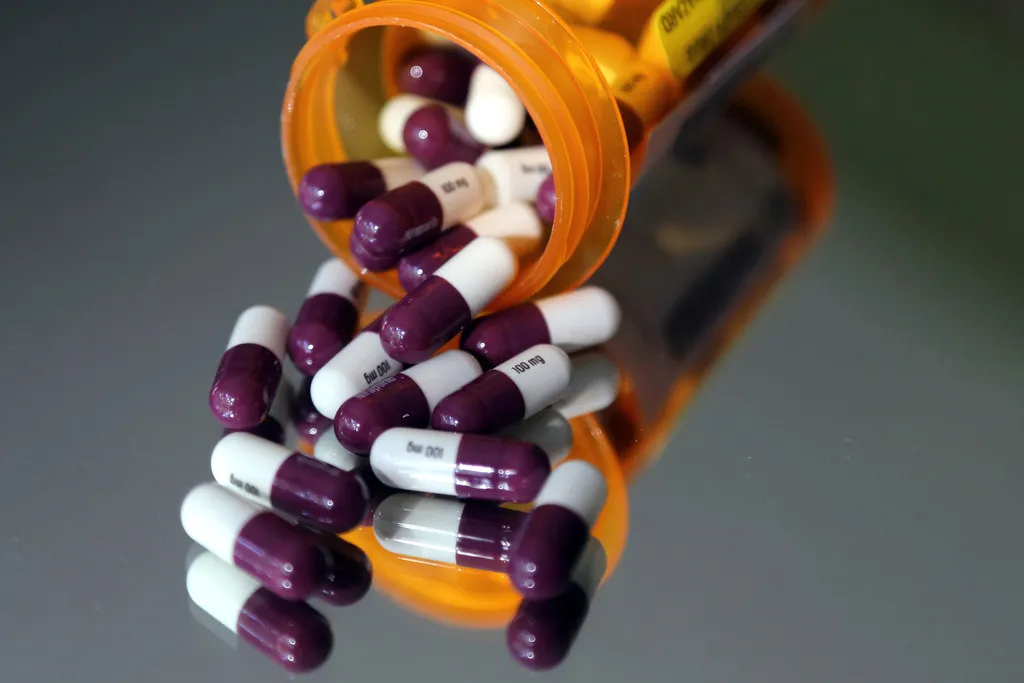
Medicines still in clinical trials are being shipped directly to consumers from unregulated Chinese factories. One example is retatrutide (“reta”), an experimental weight-loss drug that has not received approval from the FDA or any other regulator worldwide.
Every vial of black-market reta shipped through our borders is funding a Chinese lab, where Chinese scientists are at work copying drugs invented by American companies. We know how this story ends, because it’s happened in other industries.
Fifteen years ago, California berry company Driscoll’s entered China to make blueberries a mass-market fruit, bringing greenhouse designs, drip irrigation, and proprietary plant varieties. Chinese nurseries then stole its methods and profited from growing the berries. Communist state banks introduced a loan category to encourage these growers. Production rose 25 times, overtaking U.S. output in 2021. Driscoll’s is still pursuing lawsuits to defend the market it built.
Now consider American medicines. A Hangzhou biotech executive reportedly described how Chinese companies start with generics before becoming direct competitors with U.S. companies. China’s growing pipeline shows how far that strategy has advanced. More than 30% of the world’s clinical trial launches now happen in China, up from 1% in 2009.
Some in Washington are recognizing the competitive threat. But too few are examining how the black market is helping to finance it. There is no lawful branded or generic version of reta. Yet Chinese chemical suppliers ship it into American homes under “research use only” labels. Middlemen then sell it in vials online, in Telegram channels, and across social media.
Another recent report revealed more than 200 companies sold fentanyl precursors, and at least 50 of them now sell peptides. One, Anhui Ruihan Technology, was indicted by the United States in 2023 over its alleged role in the fentanyl trade and is still actively advertising reta today.
These transactions deserve scrutiny. Each order can help a laboratory refine complex next-generation peptide production products past American inspectors. Payments can also sustain chemical suppliers linked to illegal fentanyl trade.
The human cost is emerging. Reports filed with the FDA reveal two deaths after people injecting products claiming to be reta. Those reports do not establish causation, but they do demand investigation. America’s Poison Centers recorded 862 exposures to reta in the three months ending in September, up from 249 in the first three months of 2026.
Medicines carry national security implications far beyond those of blueberries. America cannot afford to finance the erosion of its pharmaceutical leadership while exposing our citizens to unregulated products.
I led the department best suited to coordinating a response: Homeland Security. In January 2020, I signed the first report to President Donald Trump on counterfeit and pirated goods. It documented a half-trillion-dollar illicit trade enabled by e-commerce and warned of national security consequences. There are steps that need to be taken now to stop the problem.
The lesson remains: warning labels alone do not stop shipments. Enforcement must carry penalties. First, treat illicit imports of black-market drugs as a critical border security matter. CBP and Homeland Security Investigations can target these parcels the way they target precursor chemicals of fentanyl and other contraband while working with the local officers. We know this administration is exceptionally successful in this domain.
Second, crack down on “research use only” labels. A disclaimer should not shield sellers marketing injectable products to consumers with mixing and dosing instructions.
Third, make online marketplaces and payment intermediary partners in disrupting this trade. Sellers should not be able to evade scrutiny by moving from a website to a messaging channel.
Competition can lower prices and accelerate discovery. Americans should welcome legitimate innovation. But cheaper products are no bargain when their contents, manufacturing standards, and safety are unknown.
TRUMP FREED A PASTOR. NOW HE MUST CONFRONT CHINA’S WAR ON CHRISTIANITY
Nor should we surrender control of essential medicines to a strategic competitor with a record of exploiting American intellectual property. China’s rise in the blueberry market offers a warning. In medicine, the stakes include American lives and our ability to develop the next generation of treatments.
Shut down the illegal trade at the border, pursue the networks profiting from it, and defend the discoveries American ingenuity makes possible. Otherwise, Americans may find themselves buying our own inventions back from Beijing.
Chad Wolf served as acting Secretary of Homeland Security during President Donald Trump’s first term.
Continue reading...
[ H/T Washington Examiner ]