


Halloween finally met something scarier than a knife-wielding, potty-mouthed doll: School administrators explaining inclusivity.
In the sleepy town of Falmouth, Massachusetts, school officials began the witching season by canceling their longtime Halloween parades for elementary students.
Explaining their decision, administrators cited “inclusivity” and “student absences” connected to the parades as reasons for the decision.
Yes, Halloween.
The one holiday where you can be a witch, an angel, a princess, or a hot dog apparently isn’t inclusive enough.
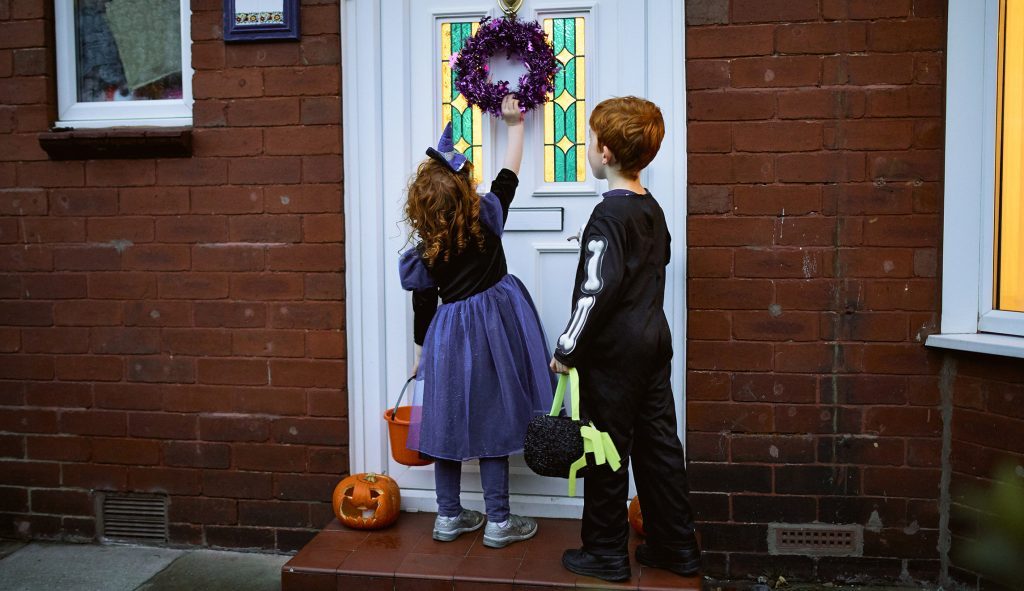
Kids dress up, march around the hallways, and wave at their parents. But now, a gathering of miniature Spider-Men and Elsas has become a problem requiring administrative intervention.
Falmouth’s administrators had a simple solution: Cancel it.
I realize not all families celebrate Halloween. Some find the holiday sacrilegious, and others simply find it expensive or just annoying.
But surely Falmouth schools can accommodate children who don’t want to, or might not have the resources to, dress up.
Offer an alternative activity. Maybe help those families that can’t afford costumes.
Instead, administrators took the easy, now all-too-common route: Give everyone an equal share of disappointment.
No costumes or parades. Just another school day with the satisfaction of knowing nobody is offended because no one is having fun.
Canceling a popular event may solve one attendance problem while giving other children another reason to dread school.
One Falmouth father understands the difference between respecting a family’s beliefs and imposing them on everyone else. Peter MacDonald told Boston 25 News that his parents kept him out of the parade for religious reasons when he was a child. He still opposed canceling it and wanted families to have a choice.
Another parent, Pamela Waite, said her 7-year-old son, who has special needs, had been planning his costume since August. She described the parade as a chance for him to “break out of his shell” and enjoy himself with classmates.
Fortunately, parents pushed back. Local parent Nick Hanney launched a petition that more than 600 people signed. And in a stroke of common sense, school officials announced the parades would return.
Apparently, the one thing scarier than Halloween is an angry voter.
Even while reversing their earlier decision, administrators explained that traditions “must also evolve with our town.”
This is the joyless streak in progressivism that drives me nuts: Treating ordinary pleasures as problems to solve and harmless traditions as projects to correct. Somehow, a child wearing a cape becomes an opportunity for institutional soul-searching.
Schools should take differences seriously. That means making room for children with different beliefs and needs.
It takes thought and sometimes extra work. Canceling the activity is easier, but a room full of equally disappointed children is a strange measure of success.
Follow that logic far enough, and every school activity becomes vulnerable.
Some children dislike sports. Others hate singing or speaking in front of people. Should athletics, choir and school plays disappear, too?
There’s a lesson for conservatives here as well.
Grumbling about the latest cancellation accomplishes little if nobody challenges the decision. Falmouth parents spoke up, organized, and got their parade back.
They didn’t need a national campaign to rescue a local tradition. They needed to tell the people running their schools that the answer was no. As voters, we should remember episodes like this when choosing who oversees our schools.
That ought to happen before another harmless pleasure requires a petition to survive.
For now, Falmouth’s superheroes can march, its princesses can wave, and its ghosts can haunt the halls.
IN AMERICA, YOU GET CANCELED. IN EUROPE, YOU GET ERASED
The administrators can come dressed as people who thought canceling Halloween was a good idea.
No costume required.
Jacob Lane is a Republican strategist. He is a contributor for Young Voices whose writings have appeared in the Hill, the Chicago Tribune, and the Wall Street Journal.
Continue reading...
[ H/T Washington Examiner ]

