







Guest Post by Rudy Havenstein
While I may check in tomorrow, today is sort of my Friday, so I’ll clear off my ridiculously messy desk.
Just another high:
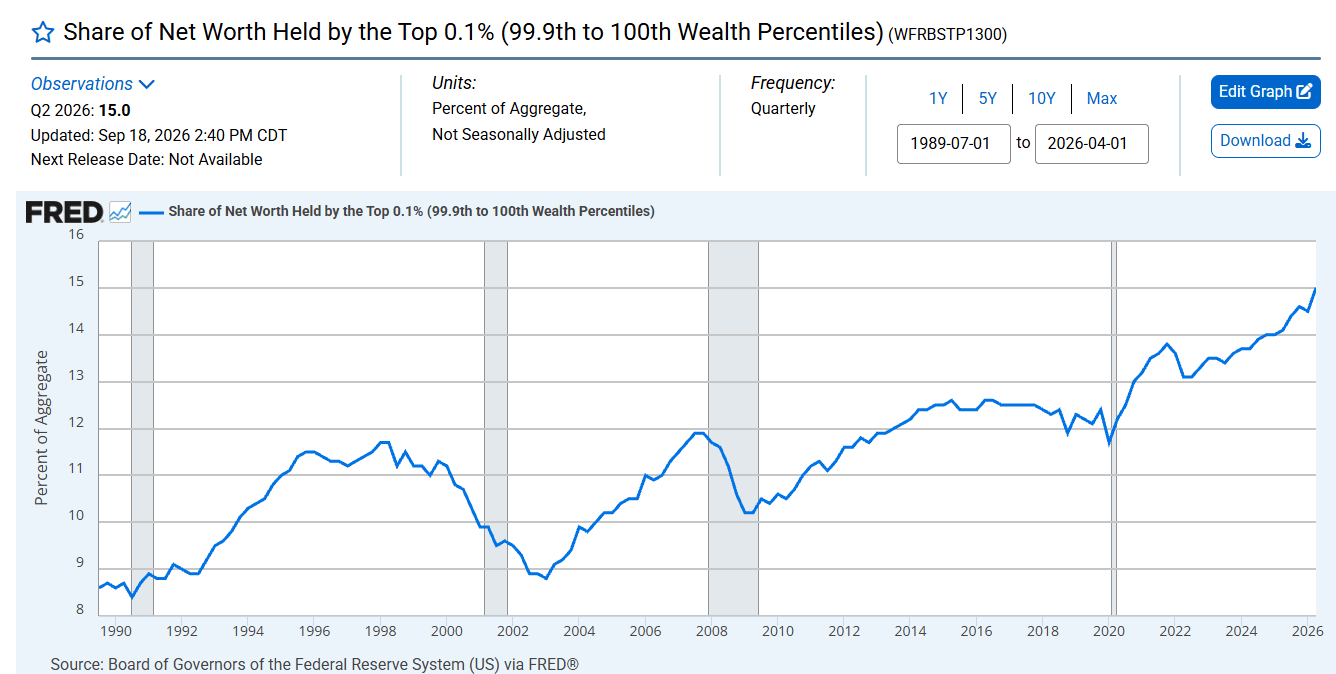
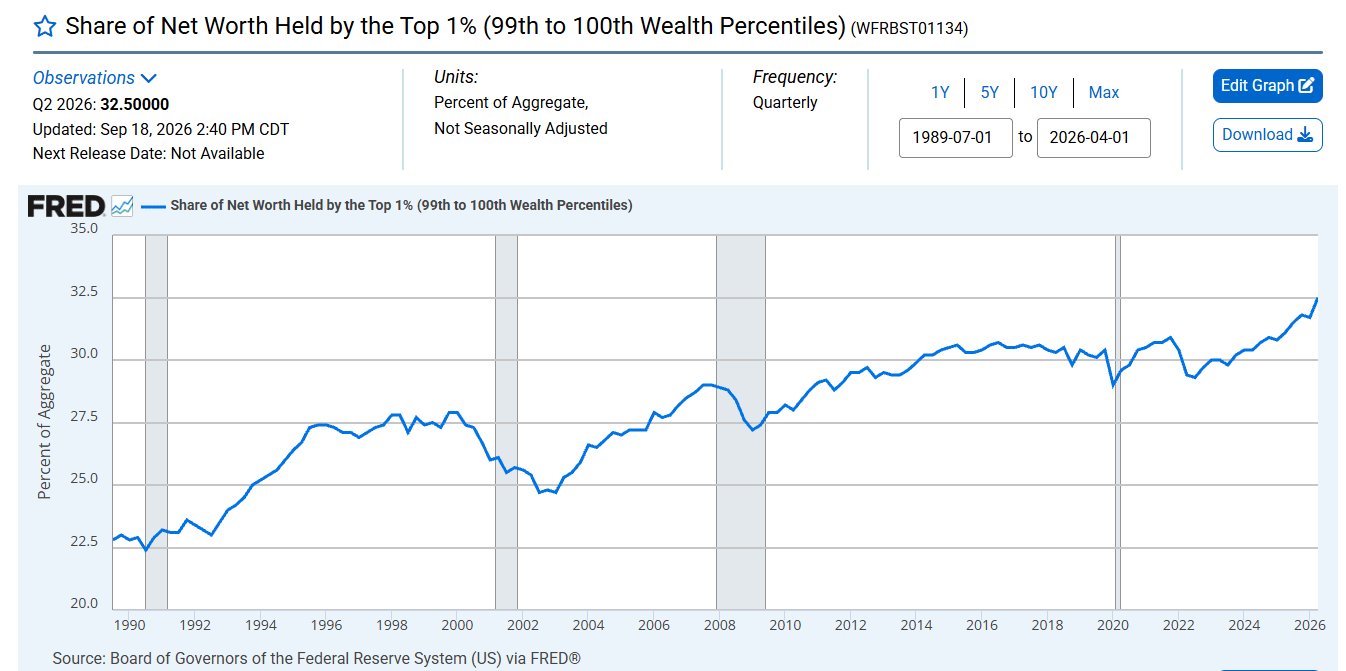
Share of Net Worth Held by the Top 0.1% (99.9th to 100th Wealth Percentiles)
– Stafford Beer, The Heart of Enterprise (h/t Jim D.)
Link

Link
From the WJS via Grant’s:
From CNBC via Grant’s:
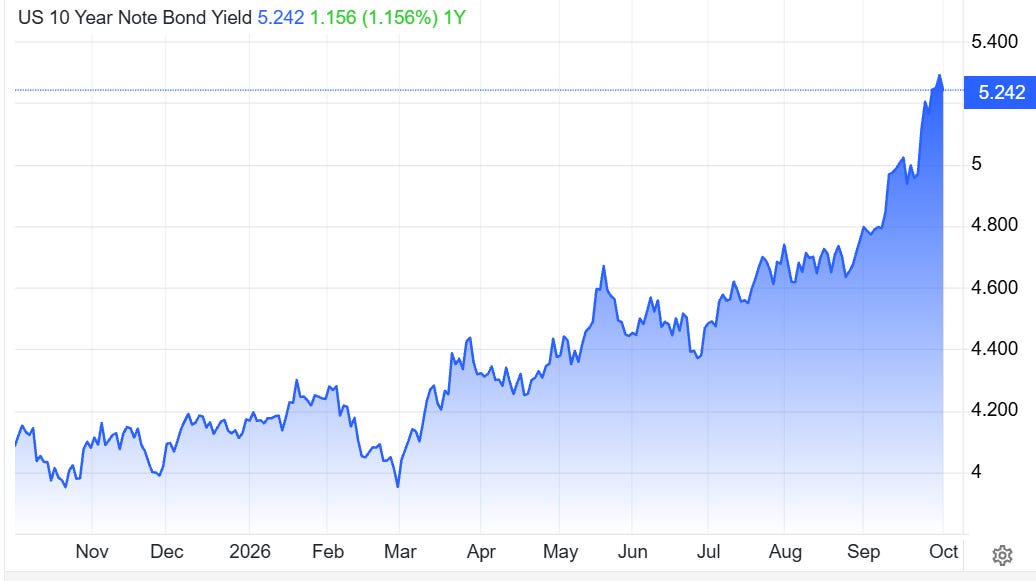
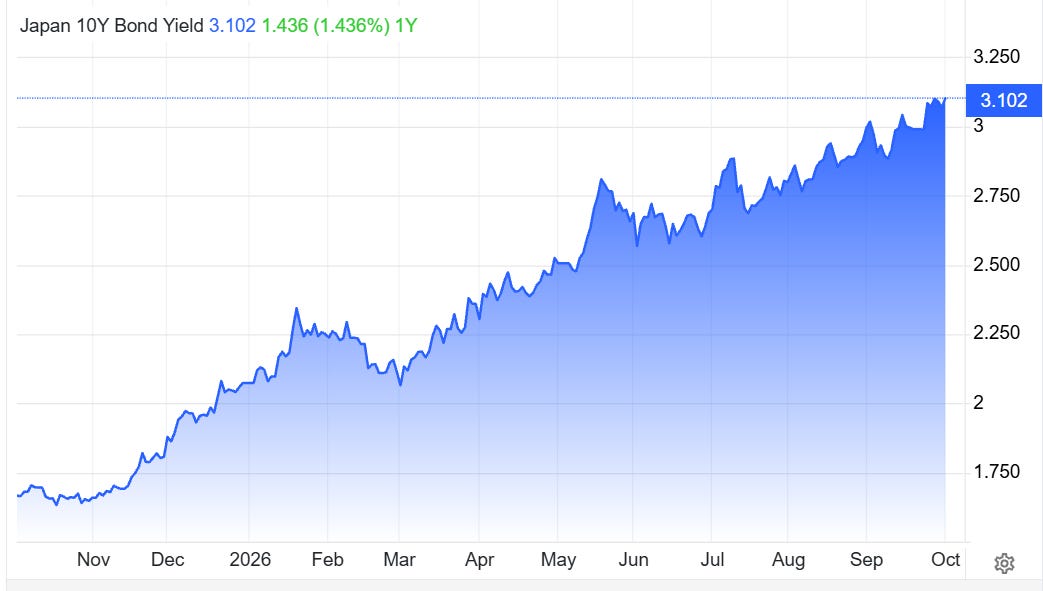
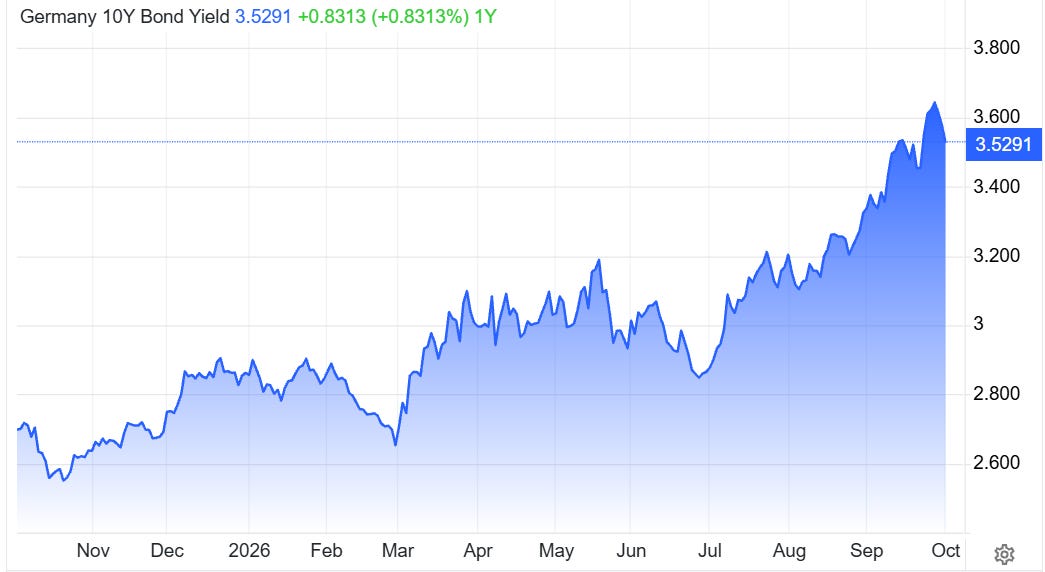

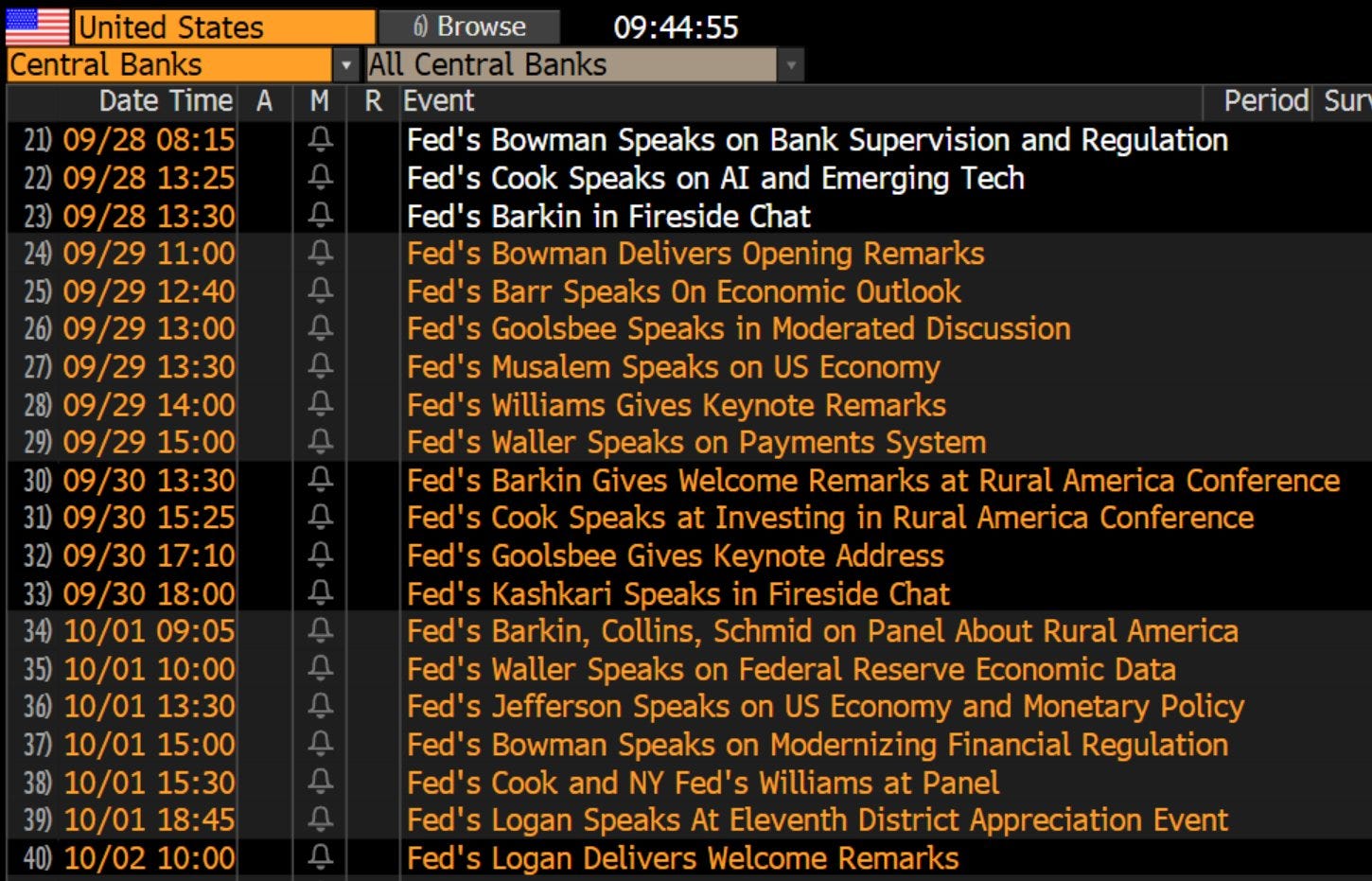
Every day is like this.

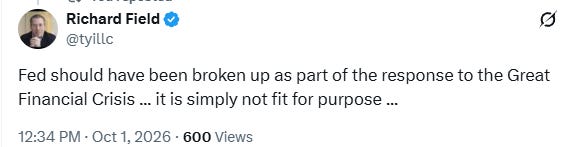
Incomplete List of FOMC member comments from just one day!
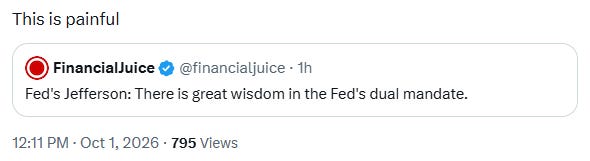
Fed policies ARE the systemic risk.

Link
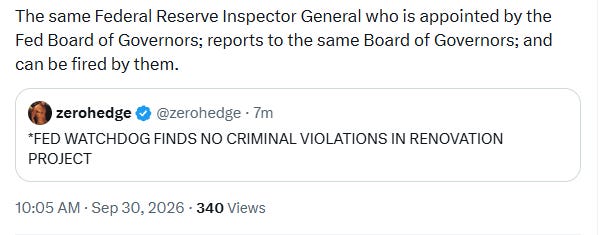
Link

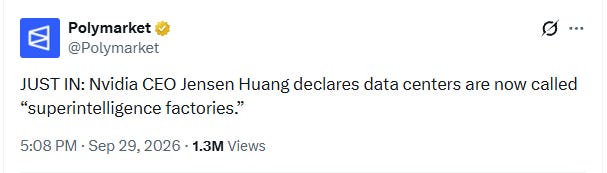
I saw this:
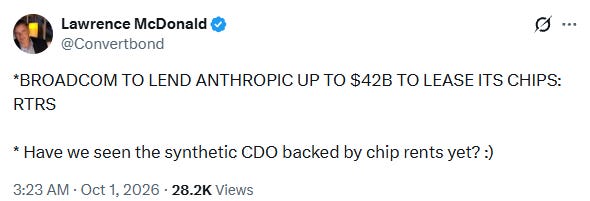
…and it reminded me of the Dotcom days.
I asked SuperGrok for a historic similarity:
Lucent is the textbook case. From the late 1990s Lucent financed shaky carriers so they would buy Lucent gear and keep reported growth in the 20% range. By September 30, 2000 its vendor-financing book was about $8.1 billion, much of it to startups. Commitments that year were about $5.7 billion. Winstar alone had a facility of up to $2 billion; it filed for bankruptcy in 2001 and Lucent was left with roughly $500 million of bad loans, then got sued for $10 billion. One.Tel, Leap Wireless and others followed. Lucent later restated $679 million of revenue, reported an $8.8 billion quarterly loss in October 2001, and losses for that year ran past $16 billion. The stock went from about $80 in early 2000 to the low single digits. A Lucent credit analyst later estimated that more than half of the company’s problems came from vendor financing. Cisco and Nortel ran the same playbook and took large hits; Cisco survived because the rest of the business was stronger.
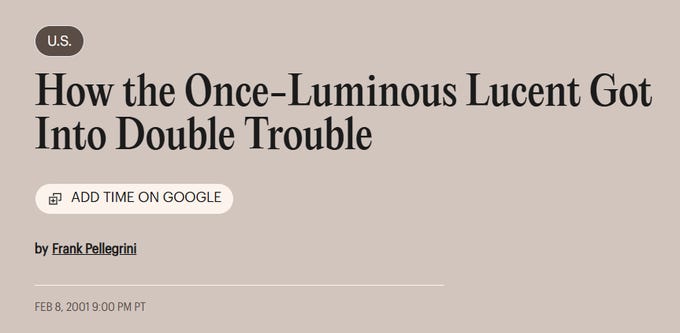
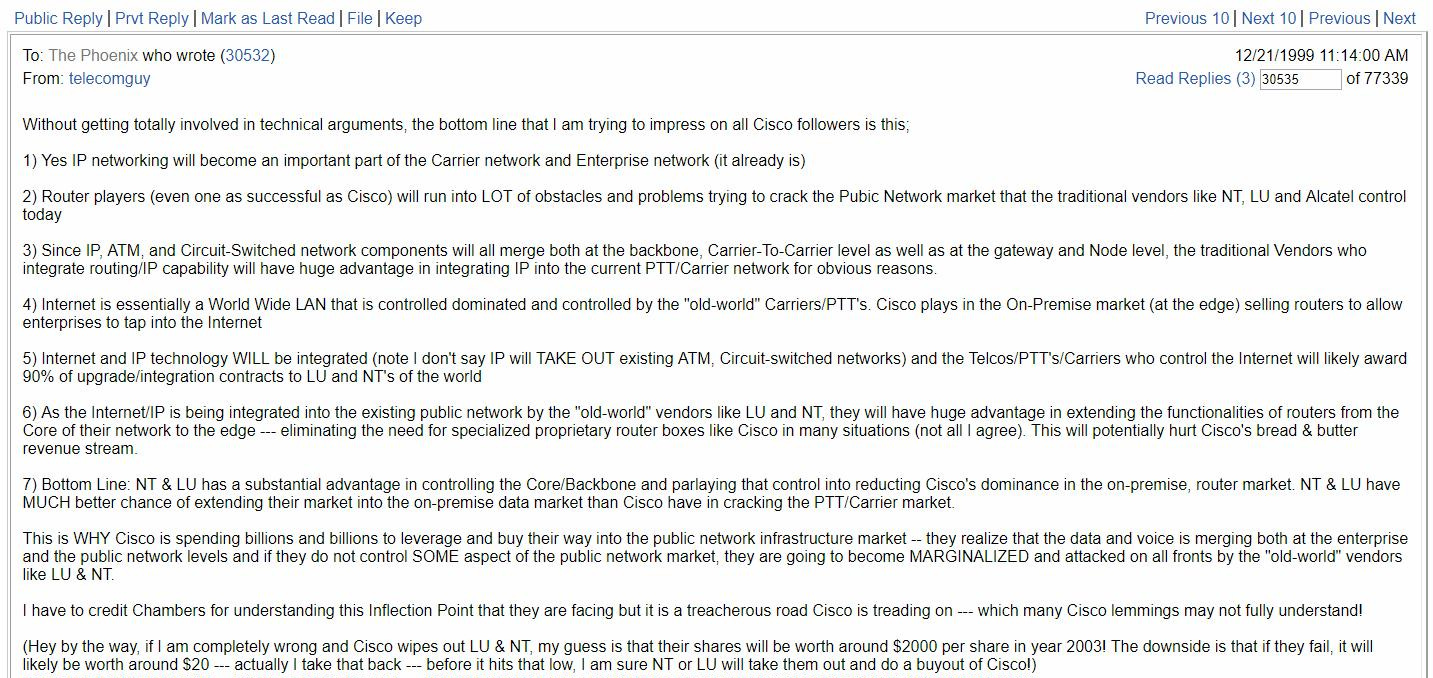
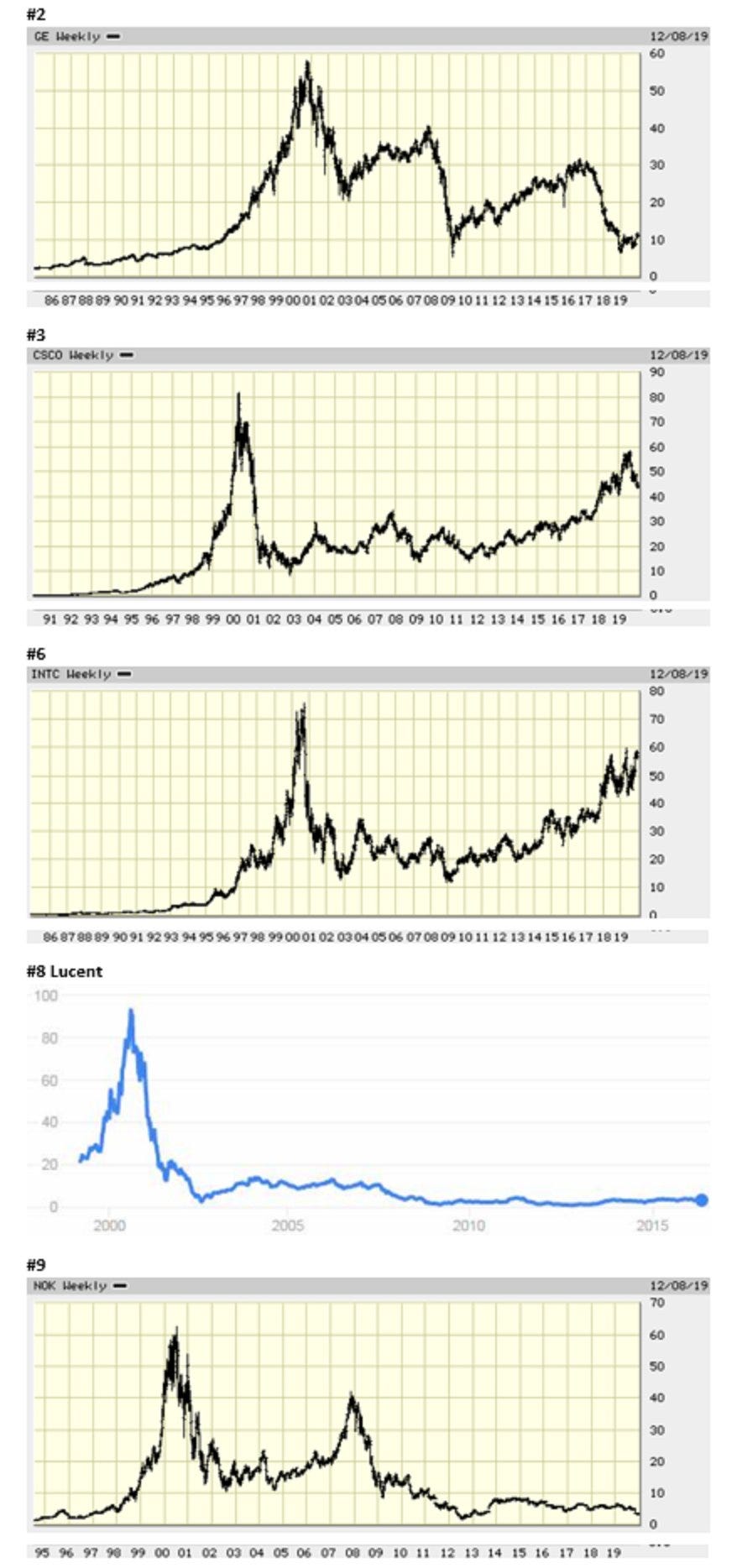
This is from late December 1999, on the Silicon Investor message board, a goldmine of financial history. The last couple sentences are precious. Lucent and Nortel went away and it took many years for Cisco to finally pass its 2000 high:
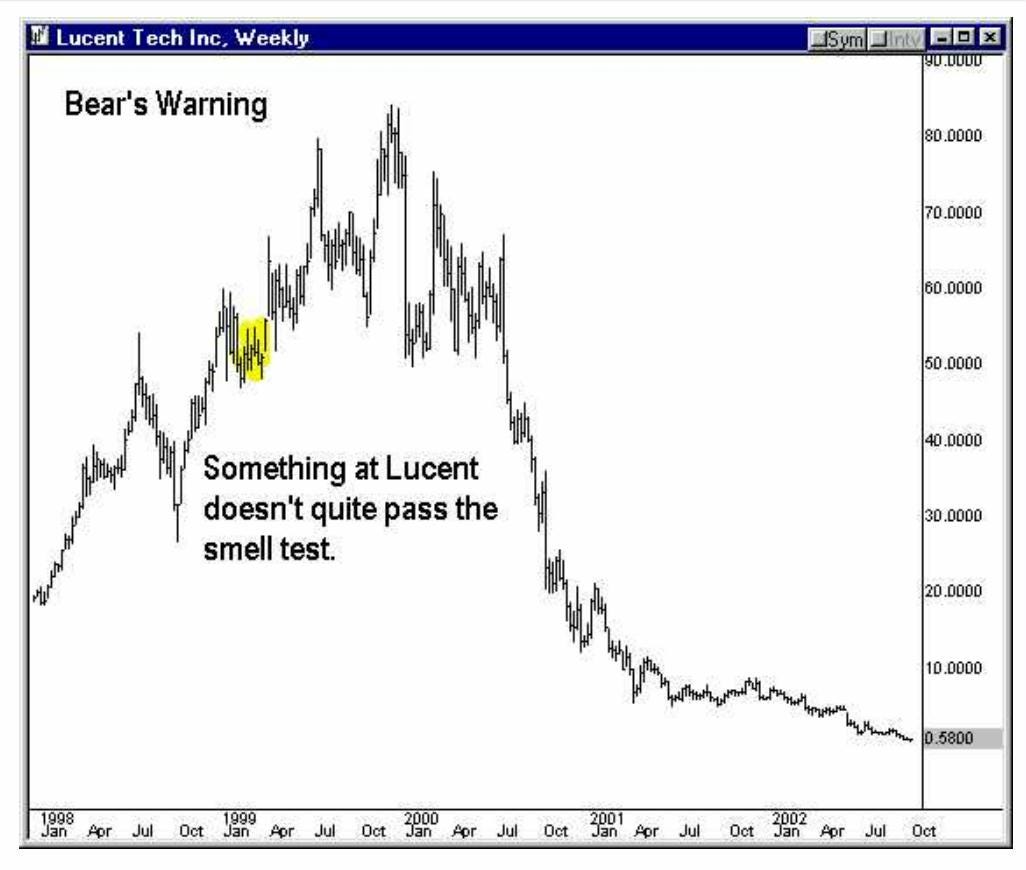
Joe Kernen was terrible back in 1999 too. This is from Bill Fleckenstein:
Bear Attacks . . . (March 12, 1999) I was dumbfounded to watch Joe Kernen go after Bob Olstein of Olstein Financial Reports on CNBC’s Squawk Box early this morning. Bob was going through accounting machinations and the book cooking that has been going on at Lucent (LU), warning folks about how illusory their earnings and earnings growth has been. Kernen promptly took him to task by saying, “Well, we know all that. Nobody cares – the price is where it is.” Joe went on to make the point that anyone who talks about these things – and then the stock goes up – is just plain wrong. Therefore, anyone who has been negative is simply wrong because the market has gone up.
“Successful investing is about having people agree with you… later.” – Jim Grant
This is from the aptly named Smartmoney site in November 2000:
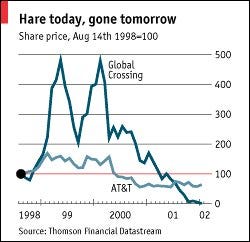
“How much Global Crossing Chairman Gary Winnick reaped from selling his company stock in the three years before Global Crossing went bankrupt: $735 million”

Dredge: “They’re not making anywhere near the effort to get back from three, three and a half percent to two that they were making to get from 1.8 to two.”
McKeown: “What is it? 63 months now, I think, in the US? It is almost ridiculous to call it a target. It has no meaning.”
Link
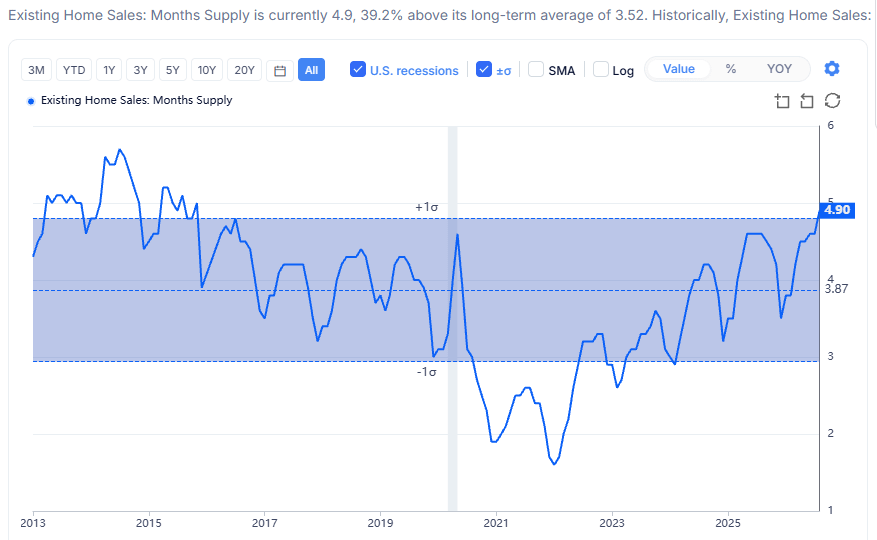
Back to 2015 levels.
Link
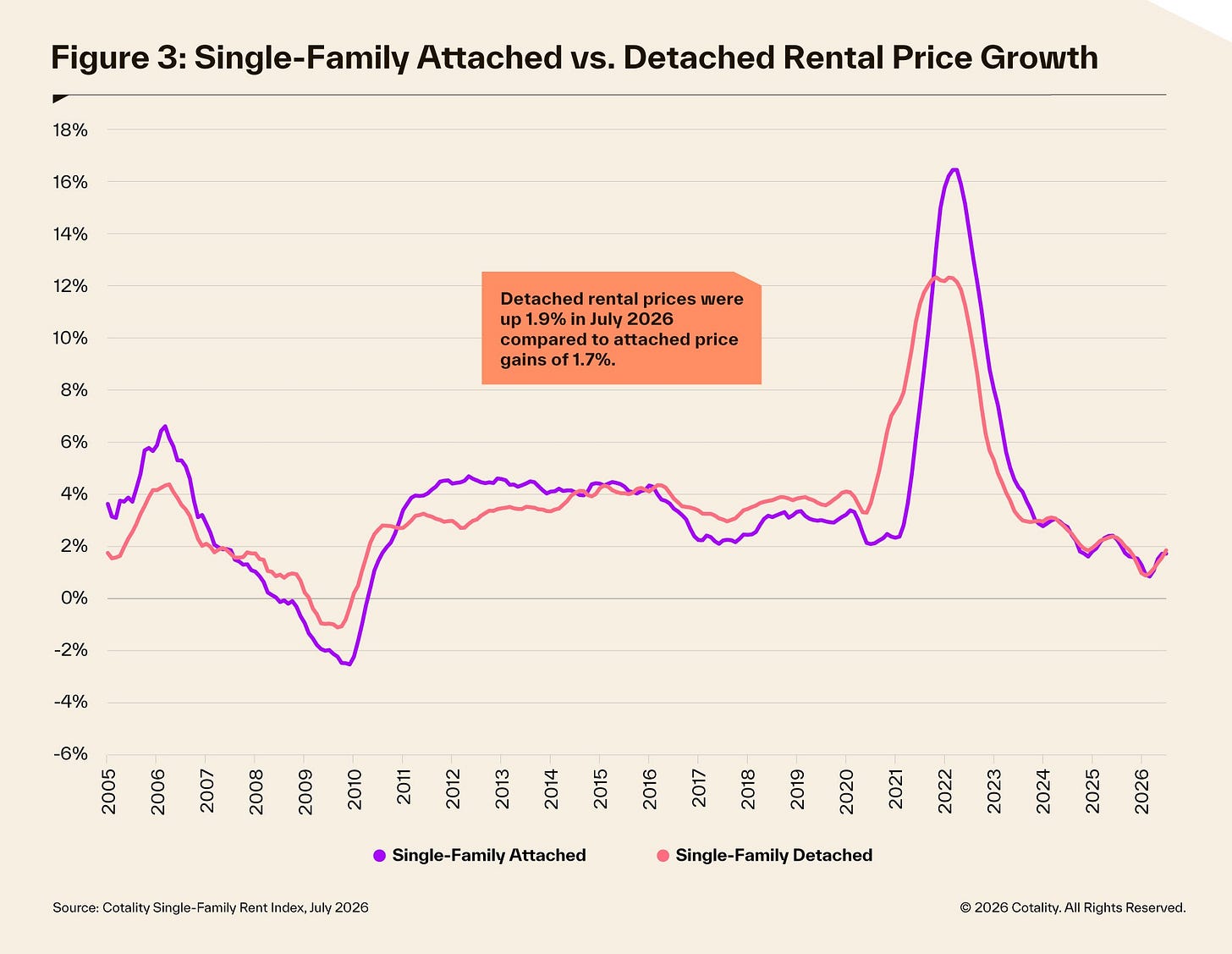
I know in some areas rents are falling (due to massive overbuilding in recent years), but overall, number go up.
Link
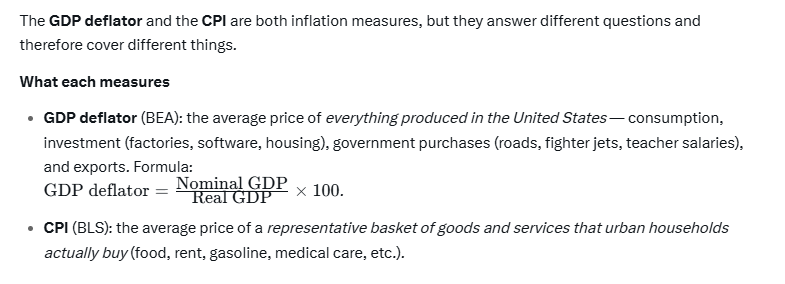
So the US GDP Deflator (seasonally-adjusted lol) is 6.1%, but the CPI (NSA) is 3.4%. Hmmm.
I know which one is a lot closer to the actually cost of living increase.
Mike Green
“Andrew Granato, Assistant Professor of Law at the University of Texas at Austin, and Pranjal Drall, JD/PhD candidate at Yale, join Jack Farley to discuss their paper Private Credit’s State Backstop: How Private Equity Socializes Risk Through Insurers”
A couple of academics who can actually communicate with normal people. Rare.
From the paper:
“In life insurers, PE has found an ideal host body from which to issue illiquid, risky, and opaque private credit investments…the guaranty-fund insolvency allocation system that permits PE firms to socialize the downside risk of their private credit portfolios without a sufficient financial-regulation regime to stop them. Publicly-traded private-credit funds like BDCs may experience sharp volatility, but when they go down, the losses are borne by their investors who accepted that they were taking on risk. When a private credit-loaded life insurer becomes insolvent, it is mostly taxpayers who must pay for it”

“The private credit default rate for the last 12 months is reported to be 6.3%. It’s been rising slowly month by month, but it it’s much worse than that, because that 6.3% does not include the payment-in-kind labels, and there’s a lot of pay-in-kind going on.
Pay-in-kind is the most insidious thing you could possibly imagine. You’ve got a company, okay? Lend them $100, and it’s 10% interest, and they pay you once a year. Make life easy, all right? So, they don’t have the $10 at the end of the first year. So, you say, “You know what? We’re going to write down that you paid us, but we we’re not booking any cash. We’re just going to put the principal value up to $110.” And this is now reported as a performing loan. This is a loan that is on its way to default, because if they can’t pay 10% on a $100, something really good has to happen for them to be able to pay the 10% on the $110. So it’s gone from $100 to $110. And that that just keeps compounding as you go on.
So what happens is the private credit companies, they actually – you ready for this? – they mark the value of their portfolio up because the bonds – not everybody does this, but the rapscallions do, and there’s a there’s enough of them – what they do is they mark the value of the position up to $110. They report a 10% profit because a company has admitted that they’re in bankruptcy threat. They’re in threat of bankruptcy. So you’re up 10% on your reported NAV. This is criminal. I mean that loan is worth best 60 cents on the dollar once it starts PIK, on a good day. So this thing is overmarked by almost 100%. And there’s more than 10% of private credit that’s in PIK-mode right now, and it’s heading to 15% fairly quickly.”
Link
– Donald Trump
“Crime, once exposed, has no refuge but in audacity.” – Tacitus

Empire of Pain: The Secret History of the Sackler Dynasty (4/5)
See also:
Tweet
Continue reading...
[ H/T The Burning Platform ]
While I may check in tomorrow, today is sort of my Friday, so I’ll clear off my ridiculously messy desk.
Just another high:
Share of Net Worth Held by the Top 0.1% (99.9th to 100th Wealth Percentiles)
“The purpose of a system is what it does.”
– Stafford Beer, The Heart of Enterprise (h/t Jim D.)
Link
Link
From the WJS via Grant’s:
From CNBC via Grant’s:
“I am the house now” – Scott Bessent
So much for the less forward guidance Warsh promised…
Every day is like this.
Incomplete List of FOMC member comments from just one day!
When has the Fed ever foreseen systemic risk?
Fed policies ARE the systemic risk.
Link
Clown World:
Link
Thoughts on the Anthropic IPO
No.
I saw this:
…and it reminded me of the Dotcom days.
I asked SuperGrok for a historic similarity:
Lucent is the textbook case. From the late 1990s Lucent financed shaky carriers so they would buy Lucent gear and keep reported growth in the 20% range. By September 30, 2000 its vendor-financing book was about $8.1 billion, much of it to startups. Commitments that year were about $5.7 billion. Winstar alone had a facility of up to $2 billion; it filed for bankruptcy in 2001 and Lucent was left with roughly $500 million of bad loans, then got sued for $10 billion. One.Tel, Leap Wireless and others followed. Lucent later restated $679 million of revenue, reported an $8.8 billion quarterly loss in October 2001, and losses for that year ran past $16 billion. The stock went from about $80 in early 2000 to the low single digits. A Lucent credit analyst later estimated that more than half of the company’s problems came from vendor financing. Cisco and Nortel ran the same playbook and took large hits; Cisco survived because the rest of the business was stronger.
This is from late December 1999, on the Silicon Investor message board, a goldmine of financial history. The last couple sentences are precious. Lucent and Nortel went away and it took many years for Cisco to finally pass its 2000 high:
Joe Kernen was terrible back in 1999 too. This is from Bill Fleckenstein:
Bear Attacks . . . (March 12, 1999) I was dumbfounded to watch Joe Kernen go after Bob Olstein of Olstein Financial Reports on CNBC’s Squawk Box early this morning. Bob was going through accounting machinations and the book cooking that has been going on at Lucent (LU), warning folks about how illusory their earnings and earnings growth has been. Kernen promptly took him to task by saying, “Well, we know all that. Nobody cares – the price is where it is.” Joe went on to make the point that anyone who talks about these things – and then the stock goes up – is just plain wrong. Therefore, anyone who has been negative is simply wrong because the market has gone up.
“Successful investing is about having people agree with you… later.” – Jim Grant
This is from the aptly named Smartmoney site in November 2000:
Global Crossing
“How much Global Crossing Chairman Gary Winnick reaped from selling his company stock in the three years before Global Crossing went bankrupt: $735 million”
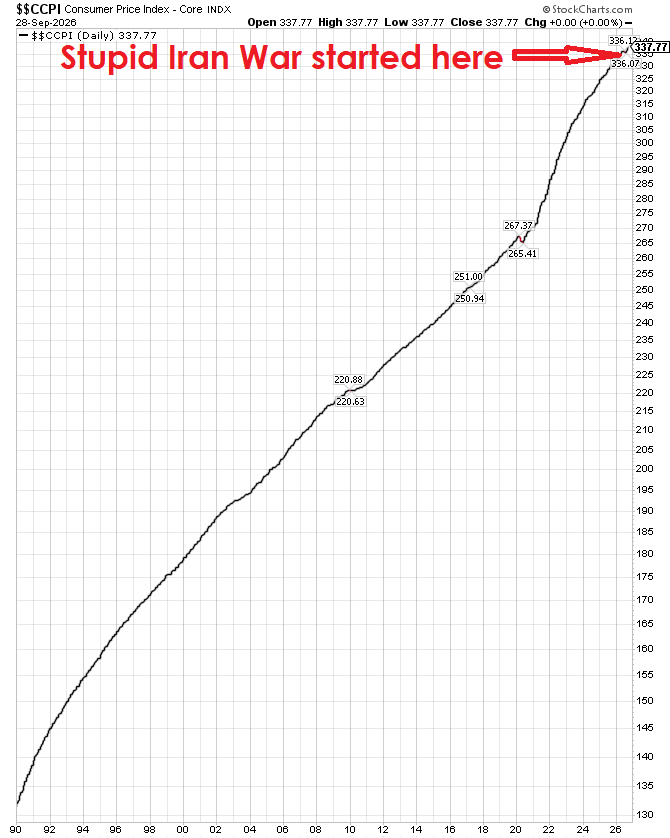
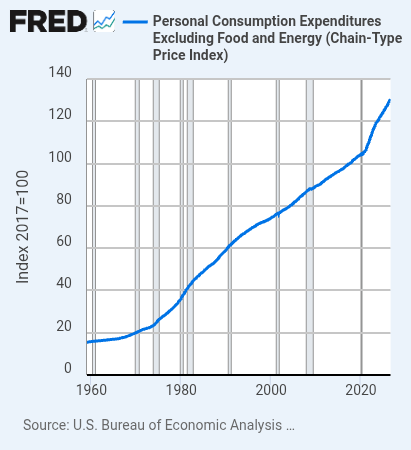
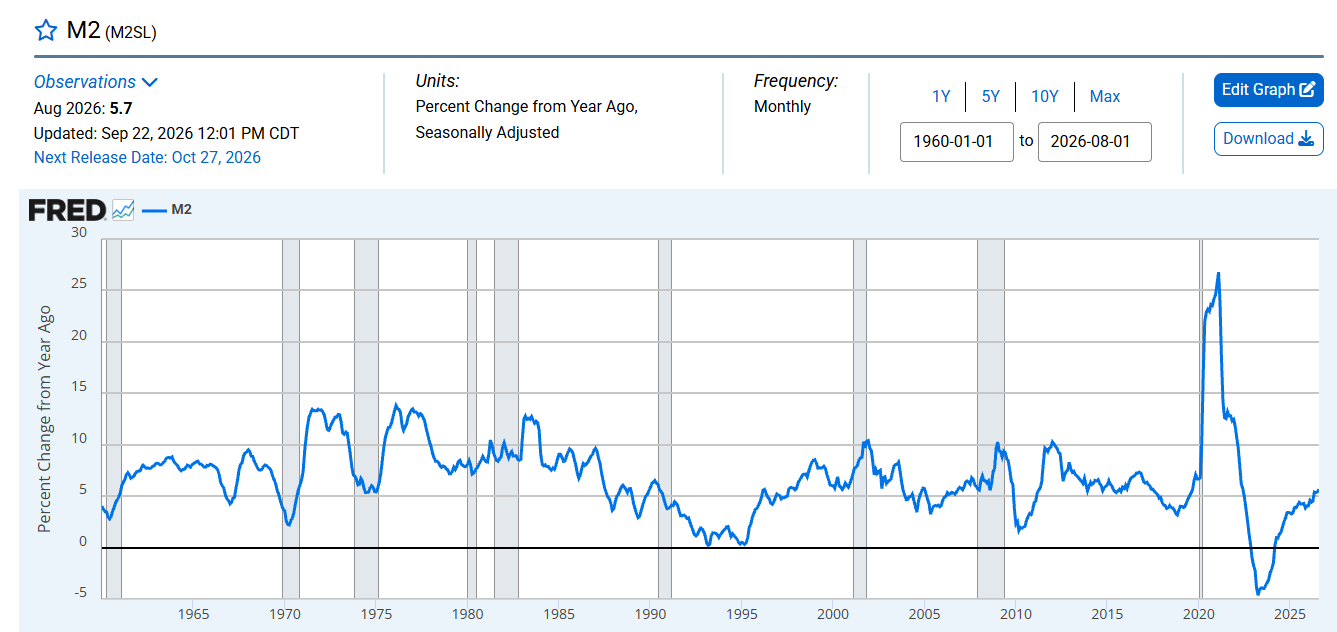
I love how many act as if oil is the sole cause of inflation
“Cooler than expected PCE”
The horrific deflation is over. Buckle up!
The Great David Dredge
Dredge: “They’re not making anywhere near the effort to get back from three, three and a half percent to two that they were making to get from 1.8 to two.”
McKeown: “What is it? 63 months now, I think, in the US? It is almost ridiculous to call it a target. It has no meaning.”
- Also McKeown: “I’ve reached the conclusion that understanding Japan’s financial plumbing is a bit like quantum theory. If you say you understand it, you probably don’t. I’m happy to accept it’s just a black box.”
- Dredge: Russell Napier says “financial repression is the only thing they can do. And I say, well, that might be the only thing they try to do, but I’ll argue they’ve been doing financial repression for 20, 25 years – 30 years in Japan – but you’re not reducing debt to GDP like you did back in ‘50’s and ‘60’s – it’s been going up the whole time.”
- Dredge: “Owning bonds has been a disaster. They have not been an effective portfolio risk-mitigating diversifier, which comes back to my question: who’s going to buy the bonds? Because their efficacy has been laid bare.
The guys that are selling them, you know, guys like you and me, sit around on podcasts talking about debasement and financial repression, as though it’s the only option they have. Well, if we figured that out, I’m guessing my friends who manage the FX reserves here in town have probably figured it out as well. Thus, maybe a bid for gold comes along.”
How’s the consumer doing?
Sorry kids!
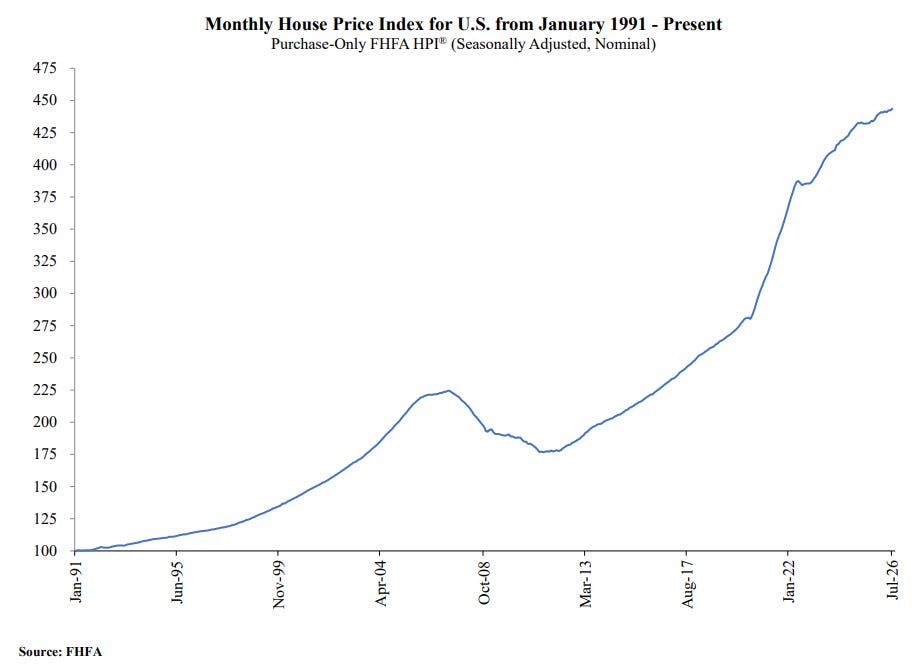
FHFA US Home Price Index
Link
Existing Home Sales Months Supply
Back to 2015 levels.
Link
U.S.single-family rent prices increased 1.8% year over year in July 2026
I know in some areas rents are falling (due to massive overbuilding in recent years), but overall, number go up.
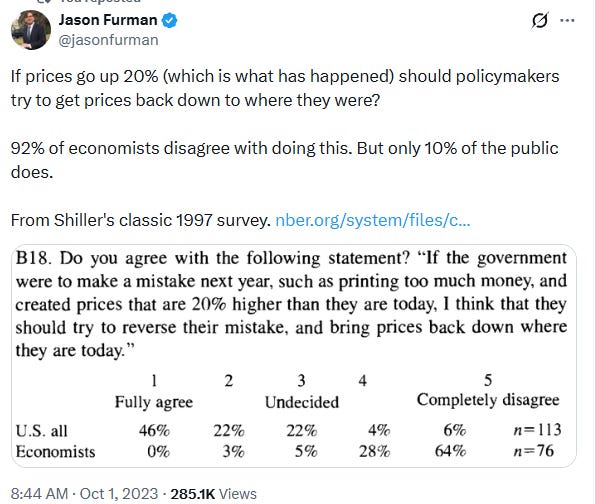
Jason Furman is one of the Nassim Taleb calls “intellectual yet idiot” economists.
Link
So the US GDP Deflator (seasonally-adjusted lol) is 6.1%, but the CPI (NSA) is 3.4%. Hmmm.
I know which one is a lot closer to the actually cost of living increase.
- “The theory behind [passive index investing] is pretty straightforward. Since you aren’t going to try to pick, you might as well just buy everything. And that unfortunately changes the character of investing quite substantially.”
- “A bond trading at 50 cents are one-third as attractive on a market cap-weighted basis as a bond that’s trading at 150, even if those two bonds have the exact same issuer and the exact same yield to maturity.”
Mike Green
Worse Than A Bank Failure: What Actually Happens When a Life Insurer Goes Bust
“Andrew Granato, Assistant Professor of Law at the University of Texas at Austin, and Pranjal Drall, JD/PhD candidate at Yale, join Jack Farley to discuss their paper Private Credit’s State Backstop: How Private Equity Socializes Risk Through Insurers”
A couple of academics who can actually communicate with normal people. Rare.
From the paper:
“In life insurers, PE has found an ideal host body from which to issue illiquid, risky, and opaque private credit investments…the guaranty-fund insolvency allocation system that permits PE firms to socialize the downside risk of their private credit portfolios without a sufficient financial-regulation regime to stop them. Publicly-traded private-credit funds like BDCs may experience sharp volatility, but when they go down, the losses are borne by their investors who accepted that they were taking on risk. When a private credit-loaded life insurer becomes insolvent, it is mostly taxpayers who must pay for it”
Jeff Gundlach on Payment-In-Kind
“The private credit default rate for the last 12 months is reported to be 6.3%. It’s been rising slowly month by month, but it it’s much worse than that, because that 6.3% does not include the payment-in-kind labels, and there’s a lot of pay-in-kind going on.
Pay-in-kind is the most insidious thing you could possibly imagine. You’ve got a company, okay? Lend them $100, and it’s 10% interest, and they pay you once a year. Make life easy, all right? So, they don’t have the $10 at the end of the first year. So, you say, “You know what? We’re going to write down that you paid us, but we we’re not booking any cash. We’re just going to put the principal value up to $110.” And this is now reported as a performing loan. This is a loan that is on its way to default, because if they can’t pay 10% on a $100, something really good has to happen for them to be able to pay the 10% on the $110. So it’s gone from $100 to $110. And that that just keeps compounding as you go on.
So what happens is the private credit companies, they actually – you ready for this? – they mark the value of their portfolio up because the bonds – not everybody does this, but the rapscallions do, and there’s a there’s enough of them – what they do is they mark the value of the position up to $110. They report a 10% profit because a company has admitted that they’re in bankruptcy threat. They’re in threat of bankruptcy. So you’re up 10% on your reported NAV. This is criminal. I mean that loan is worth best 60 cents on the dollar once it starts PIK, on a good day. So this thing is overmarked by almost 100%. And there’s more than 10% of private credit that’s in PIK-mode right now, and it’s heading to 15% fairly quickly.”
Link
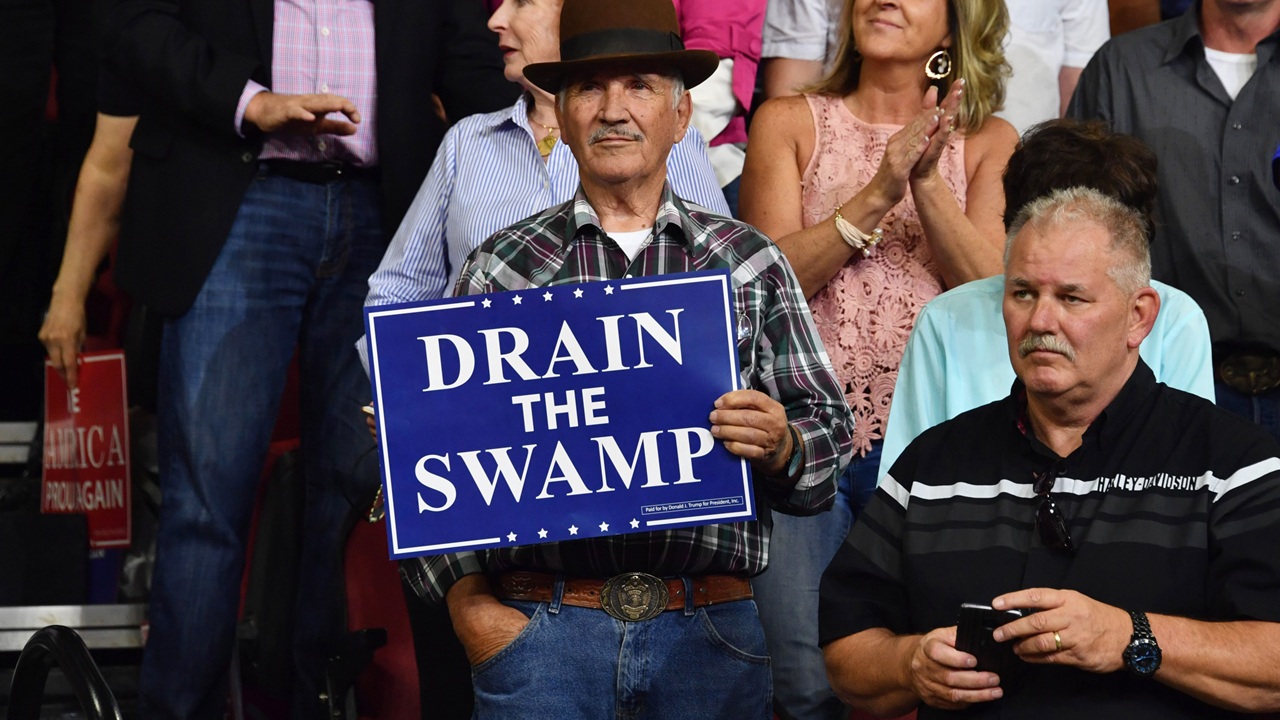
“We will abolish the deep state, we will expel the warmongers from our government, we will drive out the globalists”
– Donald Trump
“Crime, once exposed, has no refuge but in audacity.” – Tacitus
North Korea is laughing at us.
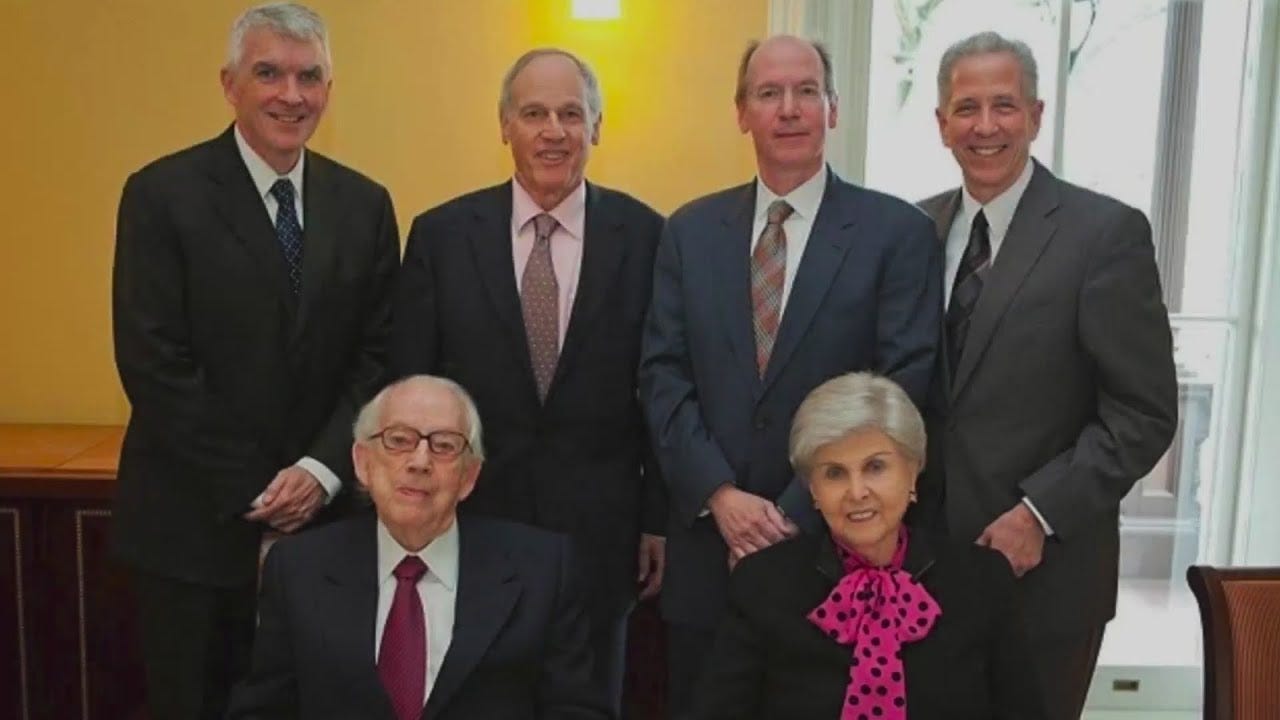
Review of “Empire of Pain: The Secret History of the Sackler Dynasty”
Empire of Pain: The Secret History of the Sackler Dynasty (4/5)
See also:
- The Sacklers, Who Made Billions From OxyContin, Win Immunity From Opioid Lawsuits
- “Purdue’s bankruptcy deal shields Sackler family owners from future opioid liability.” Street-level dealers don’t generally get these kinds of deals.
- Dopesick. Excellent series.
- The Pharmacist. Another good series.
Tweet
Continue reading...
[ H/T The Burning Platform ]