



Florida is staying red.
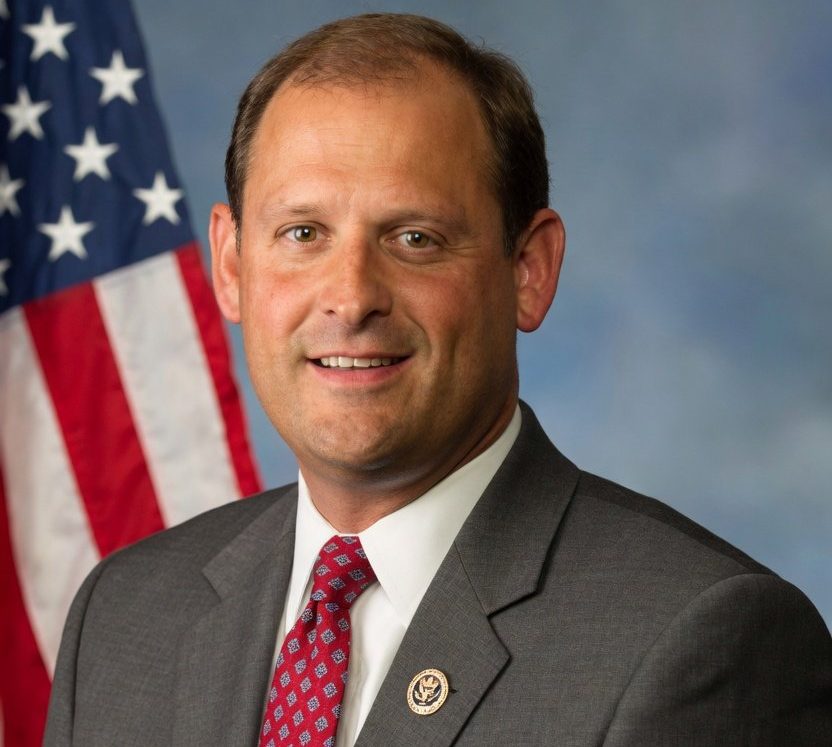
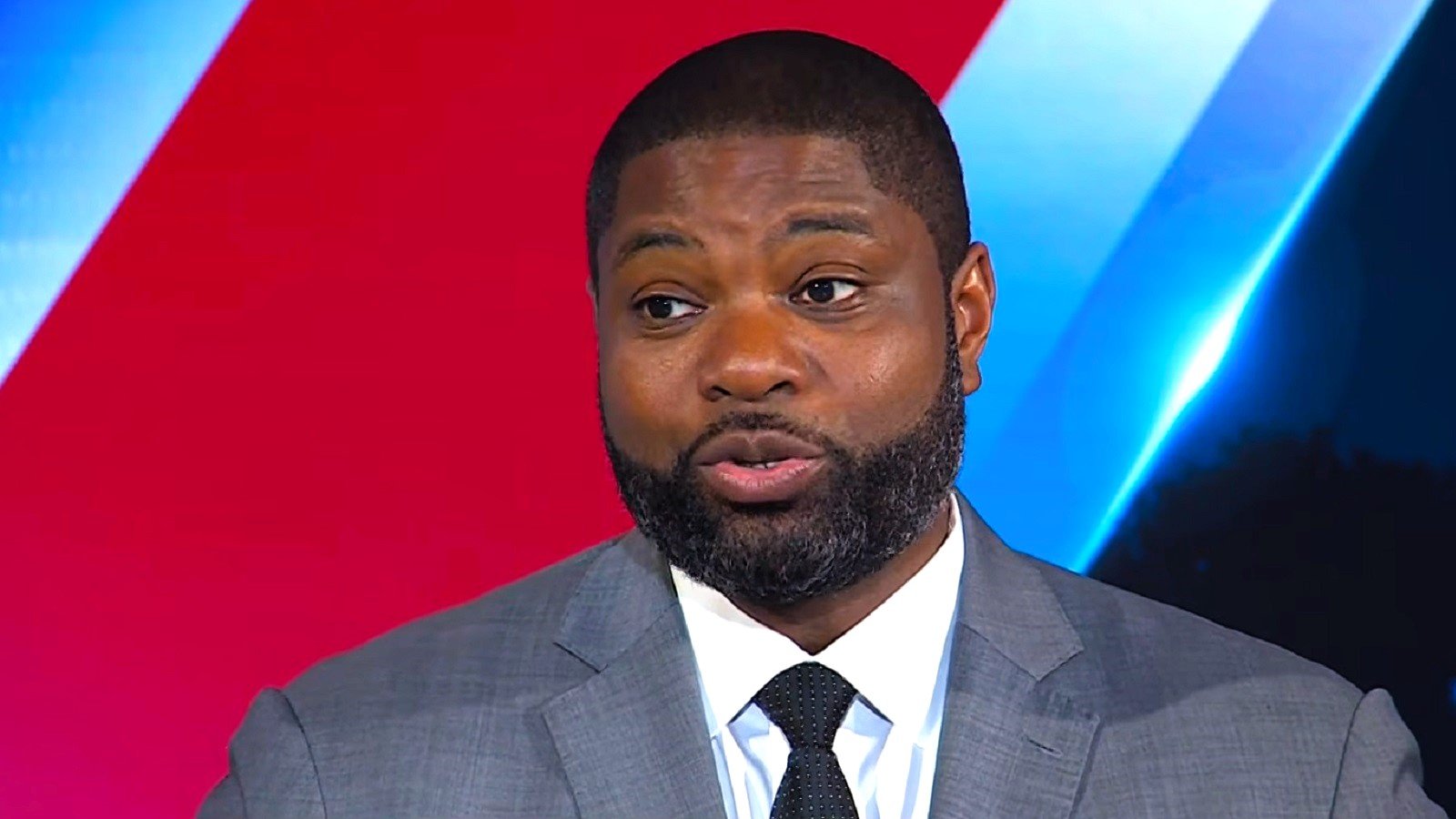
Republican Byron Donalds has been projected to defeat Democrat David Jolly in the race to become Florida’s next governor.
The call came after a tense Election Night count that initially showed Jolly ahead while heavily populated Democratic counties reported early.
But the map began changing as more Republican territory came in.
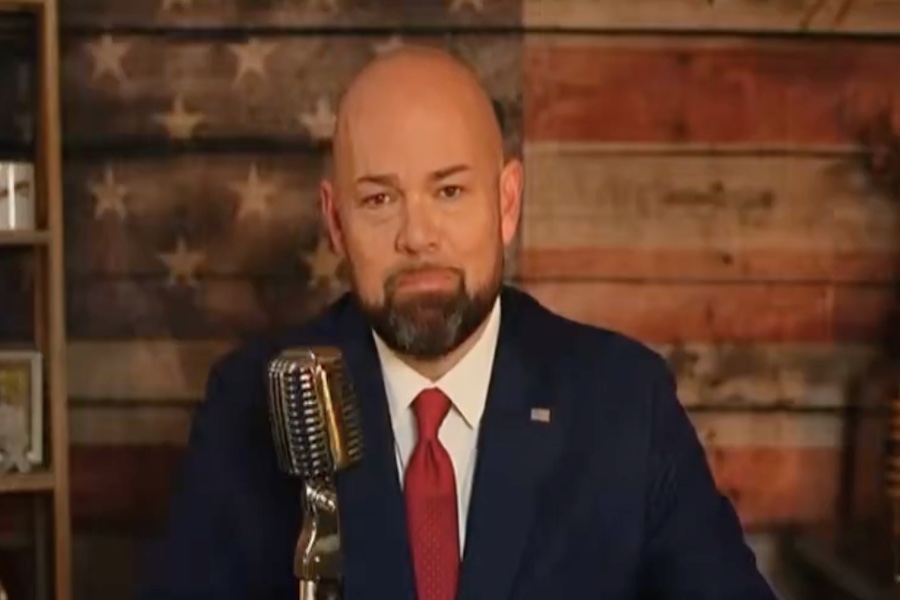
Real America’s Voice captured the turn in real time.
That early scare did not last.
As votes arrived from the I-4 corridor and Republican strongholds across the state, Donalds began closing the gap.
Eric Bolling highlighted the movement on the Real America’s Voice election map, noting that areas which appeared blue only minutes earlier were beginning to change color.
Then came the projection:
The result keeps one of the nation’s largest states under Republican control after Gov. Ron DeSantis reached Florida’s two-term limit.
It also marks a history-making breakthrough.
Donalds is set to become Florida’s first Black governor and the first Black Republican elected governor in American history.
Decision Desk HQ’s live results showed just how tight the contest remained when the projection arrived. With roughly nine-tenths of the expected vote counted, Jolly still held a narrow raw-vote lead, but the remaining vote was expected to favor Donalds.
DDHQ’s live model placed Donalds’ chance of winning above 80 percent and projected him to finish slightly over 50 percent.
At the 8:24 p.m. Eastern update, the desk showed more than 7.5 million votes counted. Jolly’s statewide advantage was fewer than 18,000 votes, a margin small enough to be overtaken by the outstanding vote in Republican counties.
The county table also showed Donalds running up large margins across much of North Florida while several counties still had substantial vote left to report. Those remaining ballots, rather than the temporary statewide order, drove the model’s Republican advantage.
That distinction matters on election night.
A projection is not based only on which candidate is ahead at a particular moment. Election desks also examine which counties and precincts have reported, how much vote remains and how each candidate is performing against the political baseline in those areas.
In this case, the remaining red counties and uncounted Republican vote gave Donalds the path he needed even while Jolly held the temporary statewide lead.
The race became far more competitive than many Republicans expected.
The Associated Press reported before polls closed that Jolly was trying to test whether Florida’s dramatic conservative shift could survive a difficult national environment for Republicans. He entered the race as a former Republican congressman who left the party, became a vocal critic of President Trump and later joined the Democratic Party.
Jolly campaigned as a centrist and tried to build a coalition around housing costs, property insurance and dissatisfaction with the political fights that defined the DeSantis years.
Donalds answered by tying himself to the conservative record that transformed Florida from a perennial battleground into a Republican stronghold.
President Trump endorsed Donalds early, and the congressman used that support to emerge from a crowded Republican primary before facing Jolly in the general election.
The numbers on the ground favored the GOP from the start.
Republicans entered Election Day with a voter-registration advantage of roughly 1.5 million over Democrats, according to the AP’s pre-election account. Donalds also held a major fundraising advantage.
Still, Florida voters made him work for it.
Jolly performed strongly enough in the early count to create several uncomfortable hours for Republicans watching the state.
The result ultimately showed that Florida’s red shift was strong enough to survive a close race, a changing electorate and an energized Democratic challenge.
Donalds’ projected win also extends a remarkable drought for Florida Democrats.
The party has not won the governor’s office since Lawton Chiles was reelected in 1994.
DeSantis nearly lost his first race in 2018, winning by less than half a percentage point. Four years later, he won reelection by nearly 20 points and cemented Florida’s new identity as a Republican state.
Donalds will inherit the political coalition DeSantis built, but not the luxury of assuming every statewide race will be easy.
Tuesday night’s count made that clear.
Florida may be red, but it was not a runaway.
Republicans had to wait for the right votes from the right parts of the state.
When they arrived, the map moved—and Byron Donalds moved toward the governor’s mansion.
Continue reading...
[ H/T WLT Report ]