






President Donald Trump has fundamentally reshaped the strategic nuclear landscape for the United States, its allies, and our adversaries. Trump’s approach has pursued a more proactive strategy of strengthening America’s credible nuclear defenses while using diplomacy, deterrence, and strategic pressure to reshape the calculations of those who might threaten the U.S. or its allies.
Since the Cold War, America’s commitment to peace through strength has depended on maintaining credible nuclear assurances alongside the military capability to deter aggression. The diplomatic positioning of nonproliferation treaties was the primary method of deterring adversaries’ nuclear programs and maintaining safeguards on systems with existential consequences. Despite such agreements, simultaneously and across the span of over 35 years, the nuclear arsenals and capabilities of Russia, China, North Korea, India, and Pakistan proliferated.
During the first Trump administration, the U.S.’s removal from the Iran nuclear deal and the Treaty on Open Skies signaled a shift in strategic nuclear deterrence. Trump, with an impending extension of the 2022 New Start agreement with Russia, pressured China to enter into a trilateral arms control agreement. Chairman Xi Jinping of the Chinese Communist Party refused these negotiations.
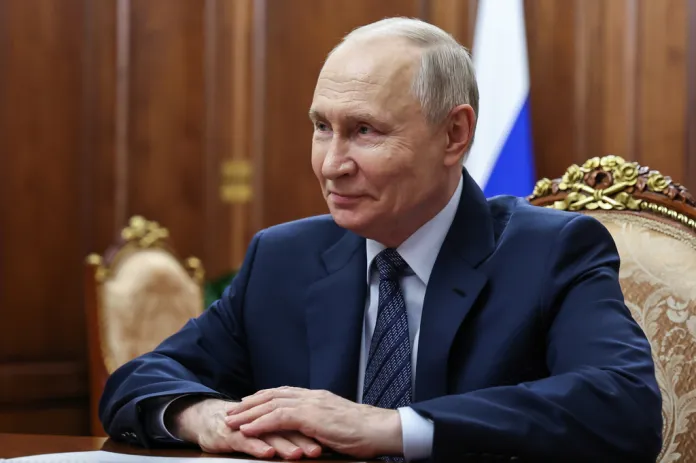
Less than two months into his term, former President Joe Biden signed the New Start agreement with Russian President Vladimir Putin with no new negotiation terms. By the end of the same year, Putin invaded Ukraine. Deterrence, in the mind of a dictator, saw weaknesses and the opportunity to invade. Throughout the remaining four years of Biden’s term, the Iranians’ uranium enrichment program accelerated, along with the impending ability to create a theatre-range nuclear weapon.
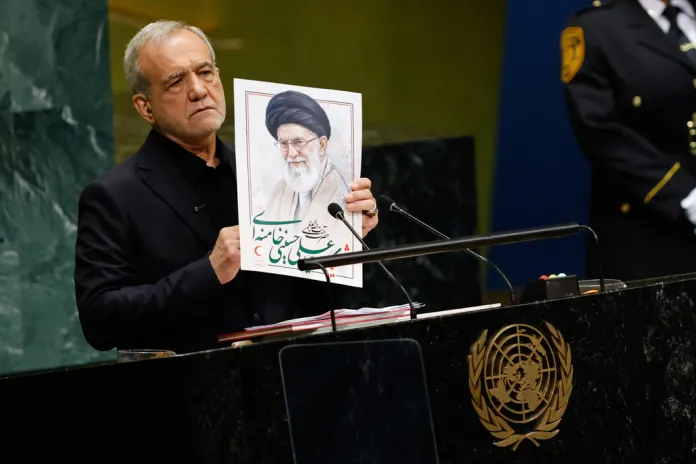
So far, as president, Trump has demonstrated that peace through strength requires both military power and diplomacy. Operation Midnight Hammer demonstrated America’s willingness to act when Iran’s nuclear ambitions threatened regional and global security, while Operation Epic Fury further underscored the credibility of U.S. military power.
The next steps Trump is likely to take will be to translate that strength into lasting deterrence and diplomacy. Strong alliances, extended nuclear deterrence, joint military exercises, and partnerships in Europe and the Middle East can reassure allies while making clear to adversaries that American commitments remain credible. Strength should be sustained, demonstrated, and used to create conditions for peace.
The growing cooperation among Russia, China, Iran, and India presents new geopolitical and operational challenges. While these nations do not share a common vision or set of values, they do share an interest in challenging U.S. influence and the Western-led international order.
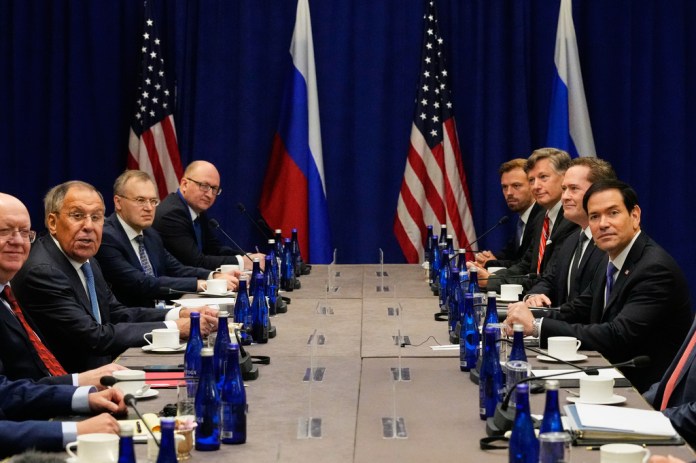
Trump should continue diplomatic efforts to end the Russia-Ukraine war. Continued dialogue with Moscow can give the U.S. greater leverage and strengthen strategic deterrence. At the same time, China’s support for Russia should remind Putin that Beijing’s interests do not necessarily align with Russia’s long-term interests.
Trump should also prepare for the possibility that China will not enter a formal arms control agreement. Economic incentives and diplomatic engagement can be used to discourage nuclear proliferation and support for terrorist organizations such as Hezbollah and Hamas. China’s desire for greater global economic influence also creates opportunities for diplomacy that can reduce incentives for further nuclear escalation.
Finally, the Golden Dome architecture should include additional layers of conventional and nuclear missile defense. A stronger, layered defense can help protect the homeland if deterrence fails and diplomacy breaks down. It can also encourage adversaries to spend enormous resources trying to match American technology, strengthening the U.S.’s long-term strategic advantage.
TRUMP BROKE PUTIN’S EMPIRE. CONGRESS IS HANDING IT RIGHT BACK
Trump’s approach to peace through strength cannot be measured only in the short term. His policies have changed the strategic calculus surrounding Iran’s nuclear ambitions while creating new diplomatic opportunities in a geopolitical environment far different from the Cold War. Across both terms, his position on nuclear deterrence has remained consistent in that America must maintain the strength and credibility necessary to deter its adversaries. The goal should be more than managing the next crisis. It should be building a security framework that protects American interests, reassures our allies, and makes the cost of aggression unmistakably clear.
Peace through strength is ultimately a long-term strategy. The decisions made today will shape the security environment for decades to come. If that strength is matched with disciplined diplomacy and durable partnerships, the U.S. can leave the next generation not simply with a stronger military, but with a stronger deterrent and a greater opportunity for lasting peace.
Brooke Taylor is the founder and CEO of Defending Our Country.
Continue reading...
[ H/T Washington Examiner ]