

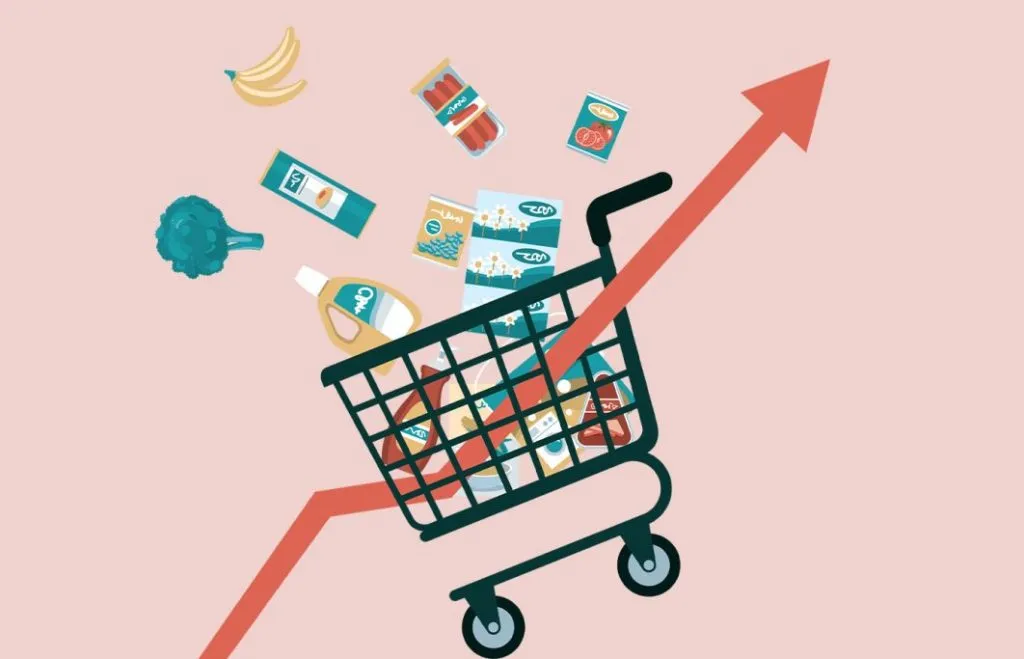
Voters gave Congress a clear mandate in the midterm elections: Make our lives more affordable. Doing so will require examining the drivers raising the costs of groceries, gas, and other essentials — inflation, tariffs, and the war in Iran, to name a few. What won’t help lower prices, however, is banning retail technologies that enable retailers to keep costs down and make the shopping experience better for customers.
Digital shelf labels are one of those technologies, and shoppers are now seeing them in more stores across the country. They allow stores to quickly get discounts on the shelves and ensure the price at checkout matches the price on the shelf. These are nothing new; shoppers have relied on these digital displays at gas stations and drive-throughs for years. They are simply becoming more common in stores.
Unfortunately, some activist groups are urging the new Congress to ban these digital labels, arguing it would help protect shoppers from price gouging or from scenarios in which one customer in a store pays more for a product than another. But these concerns are misguided because they conflate the notion of online surveillance pricing with in-store price displays — technologies that have nothing to do with each other.
More importantly for the new Congress, banning digital shelf labels will do nothing to lower grocery bills for struggling families. With Rep. Robert Garcia (D-CA), who is expected to lead the House Oversight and Government Reform Committee come January, saying he plans to investigate surveillance pricing next year, it is important to get the facts right and make these distinctions clear.
Digital shelf labels simply display prices. That’s it. A store’s pricing system sends an update to the label, and everyone in the aisle sees the same posted price. The label does not change based on who is standing in front of it because the label itself cannot identify an individual shopper or set a price based on who they are.
That has not stopped activists from fearmongering that stores are using digital shelf labels to set personalized prices or instantaneously raise the cost of a product on the weather, demand, or other factors. This is not happening in stores. In fact, academic research has shown that the use of digital shelf labels has not resulted in dynamic pricing or price gouging.
Surveillance pricing, on the other hand, is a practice that happens online — and there are reasons to examine whether the use of personal data to set individual prices could lead to discriminatory pricing based on a customer’s ethnicity or income level. That’s a fair question for Garcia to ask, but it has nothing to do with digital shelf label technology used in brick-and-mortar stores.
Anyone who has had to wait at checkout while a cashier checks the price on the shelf knows why accuracy matters. With paper tags, someone must print, sort, and replace thousands of tags by hand. If a tag gets missed, the price on the shelf can differ from the price at the register. When the label and register pull from the same pricing system, there’s less room for that kind of error.
Digital labels also make it easier for retailers to reduce problems such as food waste. A store using digital labels can more quickly mark down items such as produce or dairy nearing their sell-by date — getting discounts to shoppers while preventing these items from being tossed.
THE VOTERS HAVE SPOKEN. BUT WHAT DID THEY SAY?
Instead of going after price displays, Congress must look at what it costs to get food onto the shelf in the first place. Economists at the New York Fed found that tariffs raised consumer prices, including by making imported materials more expensive for U.S. producers. The war with Iran has driven up diesel prices. Farmers pay more to run their equipment. Truckers pay more to get food to stores. Those are the real costs families end up paying at checkout.
If lawmakers want to fulfill their mandate of making life more affordable for Americans, those are the price challenges they need to address. Attempting to ban digital price displays because of misinformation about how they are used will do absolutely nothing to bring down costs. It will just waste time that should be spent on real solutions to the affordability crisis.
Joe Kefauver is a senior adviser to Americans for a Modern Economy.
Continue reading...
[ H/T Washington Examiner ]