






America’s B-1 Lancer has returned to the fight over Iran.
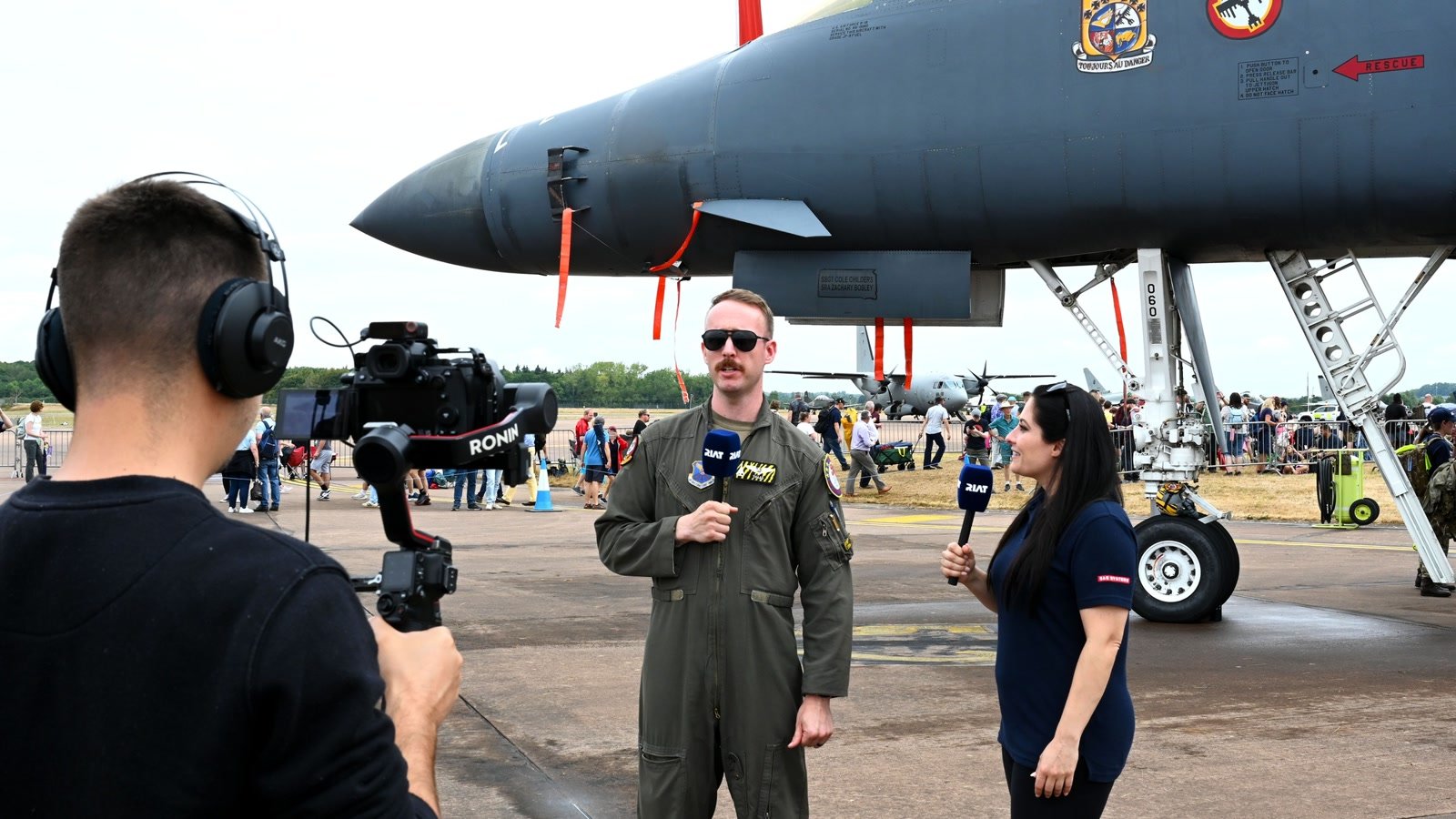
U.S. officials say the long-range bomber struck Islamic Revolutionary Guard Corps targets on Tuesday after taking off from an air base in Britain.
Tehran’s answer was aimed beyond the United States.
Iran’s Revolutionary Guards warned that British bases could be hit, putting one of Washington’s closest NATO allies directly in the regime’s sights.
President Trump is still weighing how far to take the campaign as Iran keeps threatening commercial shipping and attacking American positions across the region.
The latest mission gives him one of the heaviest conventional strike options in the U.S. arsenal.
BREAKING: B1 BOMBERS JUST DROPPED 2,000 LB PAYLOADS INTO IRAN… WOAH!
Iran just THREATENED to HIT British bases—Good luck! Our F16s are LOCKED AND LOADED
EU Diplomats ORDERED TO EVACUATE IRAN… they know SOMETHING
Iran BEGS at the table, but TRUMP says NO DEAL.… pic.twitter.com/rgfDvwU0am
— Jesse Watters (@JesseBWatters) July 24, 2026
The embedded post describes 2,000-pound payloads being dropped. That specific loadout has not been confirmed by the official or independent reporting available so far.
The confirmed facts still mark a serious escalation.
According to Axios, U.S. officials confirmed that a B-1 struck IRGC targets on Tuesday. It was the first mission involving that bomber since fighting with Iran resumed 12 days earlier.
The aircraft launched from an air base in the United Kingdom and was visible on public aviation websites. Central Command did not identify the B-1 in its statement about Tuesday’s strikes.
A B-1 can carry as many as two dozen 2,000-pound bombs or dozens of cruise missiles. It can also fly faster than the speed of sound at low altitude while hauling the largest conventional bomb load of any U.S. bomber.
The exact target, weapon load and comparative effect of Tuesday’s mission remain undisclosed. The verified picture is still stark: the B-1 flew, it struck IRGC targets, and it departed from British soil.
That combination gives the mission a significance far beyond a single sortie.
The B-1 is a heavy bomber built to carry a lot of firepower over a long distance. Launching it from Britain also makes the alliance supporting the operation visible to Tehran.
The Iranian regime noticed.
Reuters says Britain declared its armed forces ready to defend the country after the IRGC warning over American bombers flying from British bases. The British government’s current Iran advisory shows how sharply the security picture has deteriorated.
London says its agreement with Washington permits defensive U.S. operations from British facilities against Iranian missile capabilities used to threaten ships in the Strait of Hormuz. British officials have described that authority as limited and defensive.
Britain says the Royal Navy, Army and Royal Air Force are maintaining a layered defense alongside NATO allies. That response puts real military weight behind the message that an attack on British bases would be met by forces already on alert.
The official advisory confirms that UK diplomatic staff were temporarily withdrawn from Iran while the embassy shifted to remote operations. It advises against all travel to Iran, but it does not establish the broader evacuation of European Union diplomats described in the embedded post.
The distinction sharpens the picture.
A NATO ally allowed its runway to support an American strike. Tehran answered by naming that ally’s bases as possible targets.
Meanwhile, the air campaign has continued without a pause.
Central Command said U.S. forces began another round of strikes at 6:45 p.m. Eastern on Thursday, marking the thirteenth consecutive night of attacks against Iranian military targets.
The stated objective is to reduce the IRGC’s ability to threaten commercial shipping, especially around the Strait of Hormuz.
That chokepoint is the pressure point running through the entire fight. Iran has used threats against ships, bases and allied infrastructure to raise the cost of every American move.
The B-1 mission answers that pressure with reach.
It shows that the United States can launch a heavy bomber from Europe, strike inside Iran and fold the aircraft back into a campaign already operating night after night.
Tehran may hope that threatening Britain will fracture the coalition or make London reconsider access to its bases.
It could have the opposite effect.
Every warning aimed at a NATO country reminds allied capitals that Iran’s strategy reaches well beyond a dispute with Washington.
The B-1’s return also gives President Trump another lever as negotiations continue. Iran now has to calculate whether threatening the country that hosted the bomber makes a deal more likely, or brings even more American firepower into play.
One detail remains classified: exactly what the bomber carried. Another is already public: where it came from and who Tehran threatened next.
The runway was British. The bomber was American.
Tehran made sure Britain received the next warning.
Continue reading...
[ H/T WLT Report ]