




A series of sudden outages across major sectors is triggering fear among U.S. shoppers, sending them to stores to prepare for what they believe could be an impending crisis.
The outages across the banking, airlines, technology, and government sectors are stoking changes in consumer behavior, according to analysts at Mizuho, with many taking to social media to air their concerns.
“Did anybody else hear that the world is supposed to end today?” one user questioned in a Nov. 17 video posted to TikTok. “Apparently, the internet is going down, the banks are shutting down, and we’re all supposed to be sitting in the dark.”
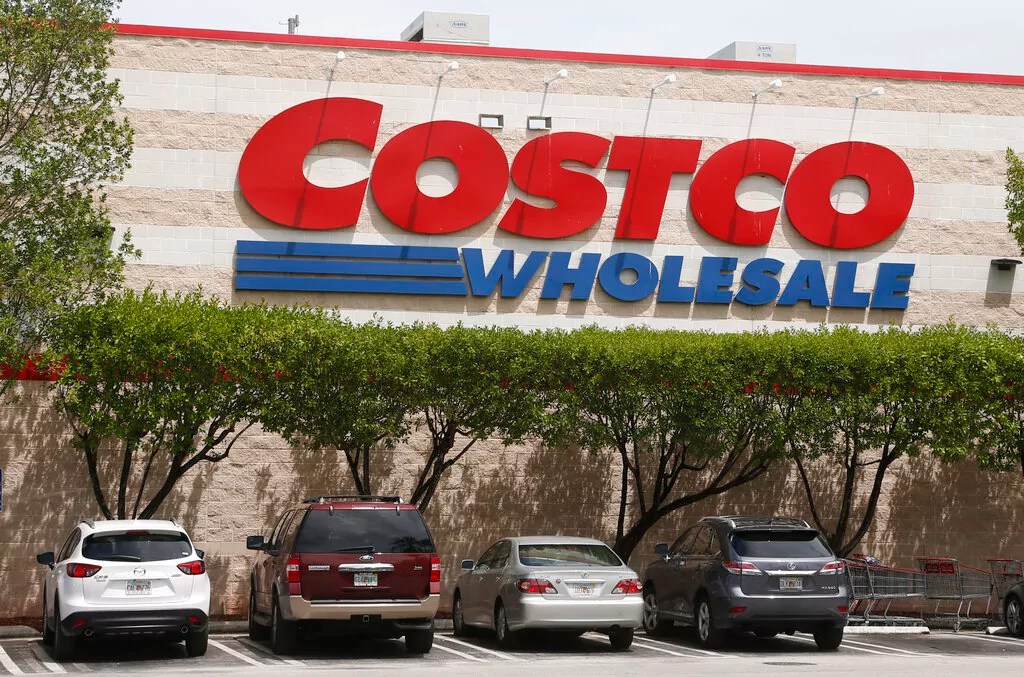
On Monday, Mizuho analysts projected that Costco’s U.S. comparable sales could grow more than 10% in November in a note crediting jumps in emergency preparation as the reason for changes in shopping behavior. Mizuho also named Walmart, Home Depot, and Lowe’s as other retailers benefiting from people making emergency preparations.
“Consumer anxiety following the Microsoft Outlook outage, the ground stoppage for all U.S. airline flights, and apocalyptic concerns flaring up across social media have all contributed to increased emergency prep sales at COST[co],” Mizuho analyst David Bellinger said in the research note. “As of last night, 21 of the 26 high-ticket generators the company offers online were sold out.”
In places such as Oklahoma and California, stores that carry survival supplies are seeing more customers come on-site.
Employees at the Surplus Store in Los Angeles told KTLA 5 that foot traffic has increased at the location as customers search for everything from emergency food and water to blankets, radios, and survival kits.
At Brigadoon Army Surplus in Del City, Oklahoma, owner Mark told Fox 25 that demand for emergency supplies has surged, saying business has been “very brisk.” Some items have sold out entirely, including emergency food rations and water-related supplies, he said.
“Keep the faith. Be nice to each other. Absolutely be nice to each other,” Mark said. “Things go bad for a while, but we’re all going to get through this.”
James Kendra, a professor and director of the Disaster Research Center at the University of Delaware, compared the behavior to how shoppers reacted during Y2K, when people were concerned about possible apocalyptic outages they feared could be sparked by the turn of the millennium in 2000.
“Y2K sparked a lot of thinking about preparedness,” Kendra told Newsweek. “In much the same way, these examples we’ve seen recently should be the springboard for people both as individuals, as households, as business owners to think about what they would do to be prepared for an event that might have them without electricity or water or gas or a telephone for longer than three days.”
The various outages in the United States, which sparked a widespread Microsoft shutdown and a national ground stop on all flights, among other issues, have not been attributed to cyberattacks but rather to outdated equipment, software glitches or bugs, or possibly aging systems struggling to adapt to new operations that utilize artificial intelligence. Most outages have been fixed relatively swiftly.
But concerns have persisted as such outages, and so many around the same time, are highly unusual.
Members of the Trump administration, including Vice President JD Vance and Homeland Security Secretary Markwayne Mullin, have sought to downplay fears of a sweeping cyberattack, a conspiracy, or concerns that the outages are linked.
“I’ve had a lot of my friends reach out and say, ‘Should we be preparing to build a bunker or to stock up on food and water?’ And my answer to that is no. We do not see some crisis coming down, but you have to be prepared for everything,” Vance said during a Fox News interview Monday. “What we want to do is make sure that we prevent the worst outcomes, but we’re also prepared for the worst outcomes.”
PENCE SAYS MIDTERM ELECTION RESULTS ‘NOT JUST A ROUT; IT WAS A RECKONING’ OVER IRAN, TARIFFS, CORRUPTION, AND MORE
“The homeland is very secure,” Mullin added during a CNBC interview the following day. “The threats that — this conspiracy theory that’s flying out there — it isn’t founded. And there’s a lot of experts that’s talking about what they suspect and they pass it off as truth, but none of them are in the room. If we had somebody to blame, it’d be great because we’d be able to punch them back. The United States has the greatest ability to reach; we have [more] advanced technology than any other country out there. Full stop. We choose to use it if we need to, if we’re being attacked.”
While U.S. officials have sought to provide reassurance, other countries are advising citizens to stockpile water and food and otherwise prepare for an unknown emergency. Those nations include the United Kingdom, France, and Japan.
Continue reading...
[ H/T Washington Examiner ]