




ESPN is facing a staggering decline in its traditional television audience, with newly released financial figures showing the sports broadcasting giant has lost nearly half its cable and satellite subscribers since reaching its peak more than a decade ago.
The latest numbers paint a troubling picture for one of America’s most recognizable sports networks, which once dominated the television industry through its powerful position in the traditional cable bundle.
According to newly released figures from parent company Disney, ESPN and ESPN2 now reach approximately 54 million pay-TV subscribers nationwide, a dramatic decline from the more than 100 million households that carried the networks in 2011.
The decline represents a loss of roughly 46 million subscribers, or approximately 46 percent of the network’s former audience through traditional television distributors. Even more concerning for ESPN executives is the speed at which subscribers continue to disappear.
Disney’s latest annual report, filed with the Securities and Exchange Commission this week, revealed that the networks had approximately 61 million subscribers just one year ago.
That means ESPN lost another seven million traditional television subscribers in a single year, representing an approximately 11.5 percent decline. The figures offer another indication that the cable television industry continues to struggle as Americans increasingly abandon expensive television packages in favor of streaming services.

Bristol, Connecticut – July 13, 2025: A sign for American international multi-platform sports media company ESPN, Entertainment and Sports Programming Network.
For decades, ESPN benefited enormously from its inclusion in cable bundles, collecting monthly fees from millions of households regardless of whether individual customers regularly watched sports programming.
According to Awful Announcing, ESPN was charging television distributors approximately $9.42 per subscriber each month as recently as 2023. At that rate, losing 46 million subscribers would represent more than $5 billion in potential annual carriage fees compared with maintaining its former subscriber base.
However, that calculation is hypothetical and does not account for changing distribution agreements, higher subscription rates or revenue generated through streaming platforms. The network’s difficulties have also coincided with significant changes to its programming strategy and workforce.
ESPN has undergone multiple rounds of layoffs in recent years while investing heavily in prominent television personalities and expensive broadcasting rights. The company has also faced increasing competition from streaming giants pursuing exclusive rights to major sporting events.
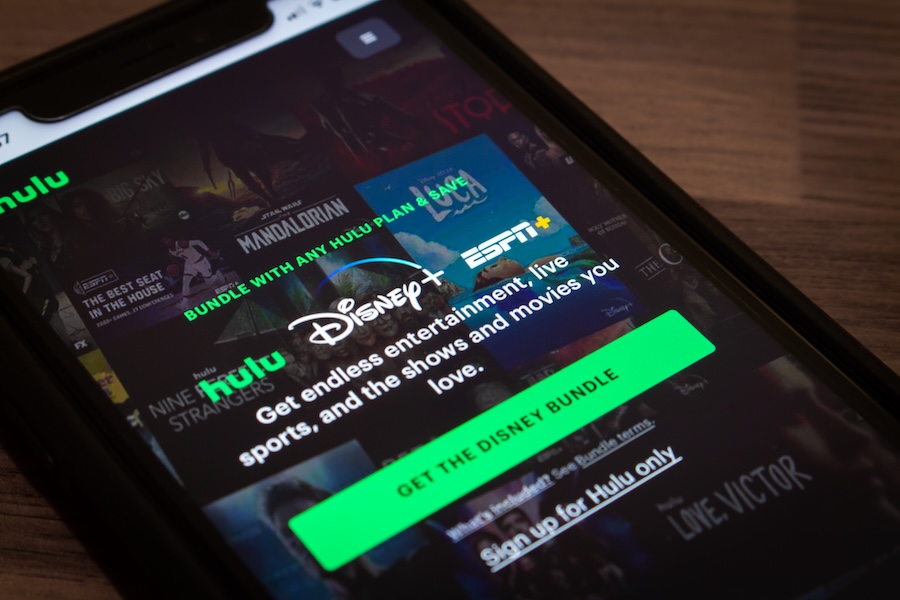
In response, ESPN launched an expanded direct-to-consumer streaming service in August 2025, allowing sports fans to access its programming without purchasing a traditional cable package.
Disney has simultaneously worked to integrate additional ESPN programming into Disney+, hoping to capture viewers who have already abandoned conventional television subscriptions. Despite the dramatic subscriber losses, ESPN’s financial performance has not collapsed alongside its traditional audience.
Disney’s sports division generated approximately $4.6 billion in fourth-quarter revenue, an increase of 16 percent compared with the previous year, while operating income climbed 53 percent to nearly $1.4 billion.
The network is also preparing for a major broadcasting milestone in February 2027, when ESPN is scheduled to televise its first Super Bowl. Still, the latest figures demonstrate just how dramatically the television business has changed since ESPN’s cable dominance reached its height.
POLL: Will America Regret Giving The Democrats Power?
Continue reading...
[ H/T Trending Politics ]