






Wisconsin Retiree Hands Gold To A Stranger In A Fast-Food Parking Lot After Fake FBI Calls - Then It Got Worse
A Wisconsin retiree lost more than $400,000 of her retirement savings over three months to scammers who posed as her investment company, the sheriff's office, the FBI, the Federal Trade Commission and, finally, the Better Business Bureau, according to an InvestigateTV report published Nov. 11.
"Forty years' worth of savings, and it's gone," the Winnebago County woman, whom InvestigateTV calls Mary, told the outlet.
It started with a pop-up carrying her financial company's logo, which appeared while she was booking an appointment with her financial advisor. "They locked my computer to the point where I couldn't even shut it off manually," she said. A caller claiming to represent her investment company then told her the account had been hacked and that she was a suspect in weapons dealing and money laundering.

The callers said someone had taken out a $35,000 high-interest loan in her name, and they showed her eight places where her Social Security number was being used. They told her that her own financial advisor was a suspect too and that she should not speak to anyone, and they sent a non-disclosure agreement straight to her printer.
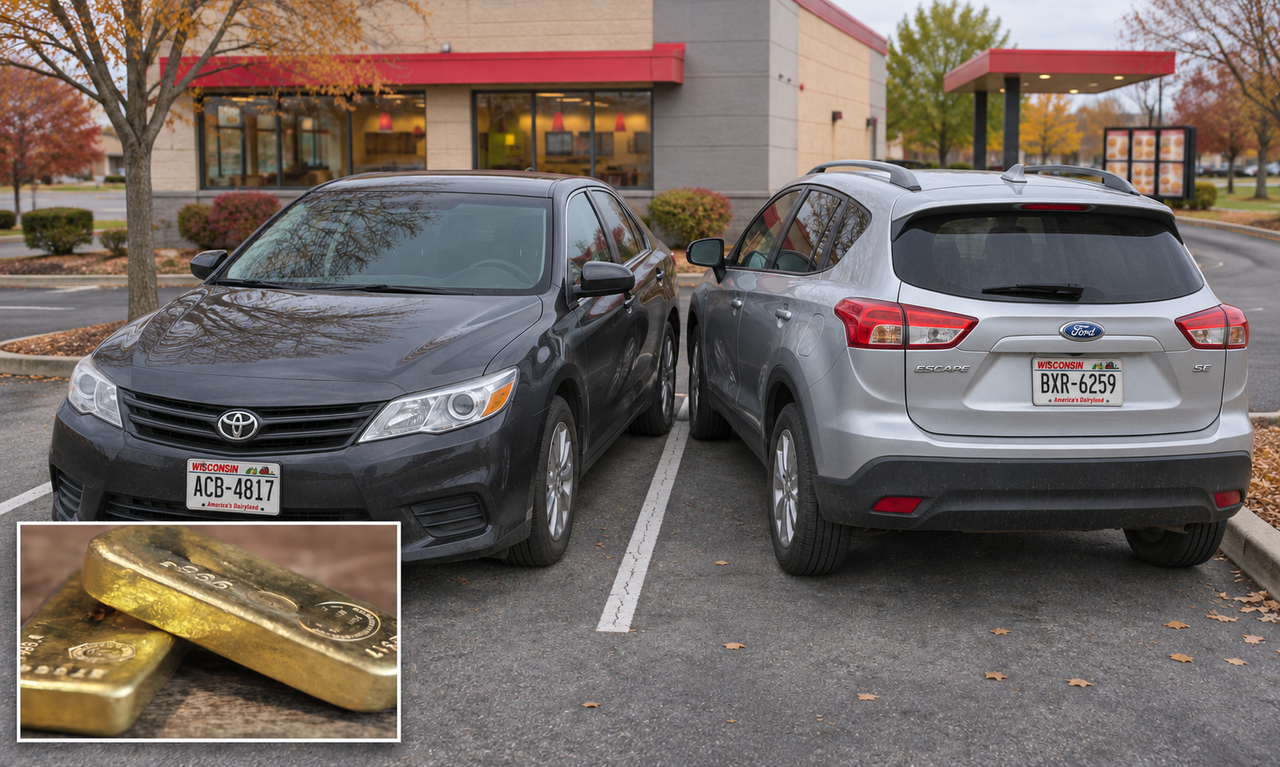
More calls followed from people posing as the sheriff's office, the FBI and the FTC, who said they were working to restore her account. "That's the trick is to get your confidence," Mary said. The callers told her she needed to buy gold to protect her money, and she spent $131,208 on 24 gold coins.
A man claiming to be from the Better Business Bureau then called to tell her she had been dealing with scammers. "He said, 'You've been working with the scammers. You need to stop right now. And I'm going to help you,'" Mary said. He was an imposter too, and he arranged for a courier to collect the coins from her in a fast-food parking lot. She was given only a first name and a password to identify the courier, who had a description of her car and her clothes.
Staff at her bank and at the business that sold her the gold asked about her large cash withdrawals, and she kept making excuses, she said, because she could see her money appearing to be restored in her account. She was also told to buy Bitcoin and thousands of dollars in gift cards. "I put 600 miles on my car just running all over town, buying gift cards," she said.
The fraud ran for three months and ended when Mary called the number of the man she believed was her BBB contact and found it disconnected. "I grabbed everything, and I went right down to the police station," she said. She told Milwaukee's FOX6 the scam cost her $433,000 and left her about $30,000 in debt.
Mary also reported the theft to the real Better Business Bureau. "This is probably the largest amount of money loss that we've had reported in one single scam," Lisa Schiller of the Wisconsin BBB told InvestigateTV. She told FOX6 that three victims had recently reported liquidating their assets into gold, with combined losses of about $3 million.
Victims reported $311.8 million in losses to gold courier scams in 2025, on about 725 complaints, according to the FBI's Internet Crime Report. Americans 60 and older filed 201,266 complaints of all kinds that year and reported $7.7 billion in losses. The Wisconsin Department of Financial Institutions told InvestigateTV the scam is surging, frequently targets seniors and is often run by international crime networks that use couriers for the pickups.
As we reported on Monday, the script rarely changes: a pop-up, email or call warns of a hacked account or a stolen identity, a "federal agent" offers the fix, and a courier with a password collects the gold. And as we reported Nov. 2, a federal judge in Pennsylvania sentenced three Chinese nationals in a scheme in which couriers posing as federal officers took more than $10 million in cash from more than 50 elderly victims in 19 states.
"Hang up your phone or shut down your computer, because once you engage with them, you go down the rabbit hole with them and it's very hard to disengage at that point, psychologically," said Robin Jacobs of the Wisconsin Department of Financial Institutions.
Police investigating Mary's case said they are trying to identify suspects, including by looking for video, and are "not sure if it is connected with other crimes." No arrests have been made.
"There's no guarantee that any of it will come back," Mary said. "The banks aren't responsible, you're responsible, because you did it." "Am I going to have to file bankruptcy? Am I going to lose my house? I mean, I'm terrified."
Tyler Durden Thu, 11/12/2026 - 18:40
Continue reading...
[ H/T ZeroHedge ]
A Wisconsin retiree lost more than $400,000 of her retirement savings over three months to scammers who posed as her investment company, the sheriff's office, the FBI, the Federal Trade Commission and, finally, the Better Business Bureau, according to an InvestigateTV report published Nov. 11.
"Forty years' worth of savings, and it's gone," the Winnebago County woman, whom InvestigateTV calls Mary, told the outlet.
It started with a pop-up carrying her financial company's logo, which appeared while she was booking an appointment with her financial advisor. "They locked my computer to the point where I couldn't even shut it off manually," she said. A caller claiming to represent her investment company then told her the account had been hacked and that she was a suspect in weapons dealing and money laundering.
The callers said someone had taken out a $35,000 high-interest loan in her name, and they showed her eight places where her Social Security number was being used. They told her that her own financial advisor was a suspect too and that she should not speak to anyone, and they sent a non-disclosure agreement straight to her printer.
More calls followed from people posing as the sheriff's office, the FBI and the FTC, who said they were working to restore her account. "That's the trick is to get your confidence," Mary said. The callers told her she needed to buy gold to protect her money, and she spent $131,208 on 24 gold coins.
A man claiming to be from the Better Business Bureau then called to tell her she had been dealing with scammers. "He said, 'You've been working with the scammers. You need to stop right now. And I'm going to help you,'" Mary said. He was an imposter too, and he arranged for a courier to collect the coins from her in a fast-food parking lot. She was given only a first name and a password to identify the courier, who had a description of her car and her clothes.
Staff at her bank and at the business that sold her the gold asked about her large cash withdrawals, and she kept making excuses, she said, because she could see her money appearing to be restored in her account. She was also told to buy Bitcoin and thousands of dollars in gift cards. "I put 600 miles on my car just running all over town, buying gift cards," she said.
The fraud ran for three months and ended when Mary called the number of the man she believed was her BBB contact and found it disconnected. "I grabbed everything, and I went right down to the police station," she said. She told Milwaukee's FOX6 the scam cost her $433,000 and left her about $30,000 in debt.
Mary also reported the theft to the real Better Business Bureau. "This is probably the largest amount of money loss that we've had reported in one single scam," Lisa Schiller of the Wisconsin BBB told InvestigateTV. She told FOX6 that three victims had recently reported liquidating their assets into gold, with combined losses of about $3 million.
Victims reported $311.8 million in losses to gold courier scams in 2025, on about 725 complaints, according to the FBI's Internet Crime Report. Americans 60 and older filed 201,266 complaints of all kinds that year and reported $7.7 billion in losses. The Wisconsin Department of Financial Institutions told InvestigateTV the scam is surging, frequently targets seniors and is often run by international crime networks that use couriers for the pickups.
As we reported on Monday, the script rarely changes: a pop-up, email or call warns of a hacked account or a stolen identity, a "federal agent" offers the fix, and a courier with a password collects the gold. And as we reported Nov. 2, a federal judge in Pennsylvania sentenced three Chinese nationals in a scheme in which couriers posing as federal officers took more than $10 million in cash from more than 50 elderly victims in 19 states.
"Hang up your phone or shut down your computer, because once you engage with them, you go down the rabbit hole with them and it's very hard to disengage at that point, psychologically," said Robin Jacobs of the Wisconsin Department of Financial Institutions.
Police investigating Mary's case said they are trying to identify suspects, including by looking for video, and are "not sure if it is connected with other crimes." No arrests have been made.
"There's no guarantee that any of it will come back," Mary said. "The banks aren't responsible, you're responsible, because you did it." "Am I going to have to file bankruptcy? Am I going to lose my house? I mean, I'm terrified."
Tyler Durden Thu, 11/12/2026 - 18:40
Continue reading...
[ H/T ZeroHedge ]