




Summary
- Ballot Question 1 would establish a virtually unlimited right to abortion in Virginia.
- The amendment could push parents out of life-changing decisions involving their minor daughters.
- Virginians should vote no to protect human life, women’s health, and vulnerable families.
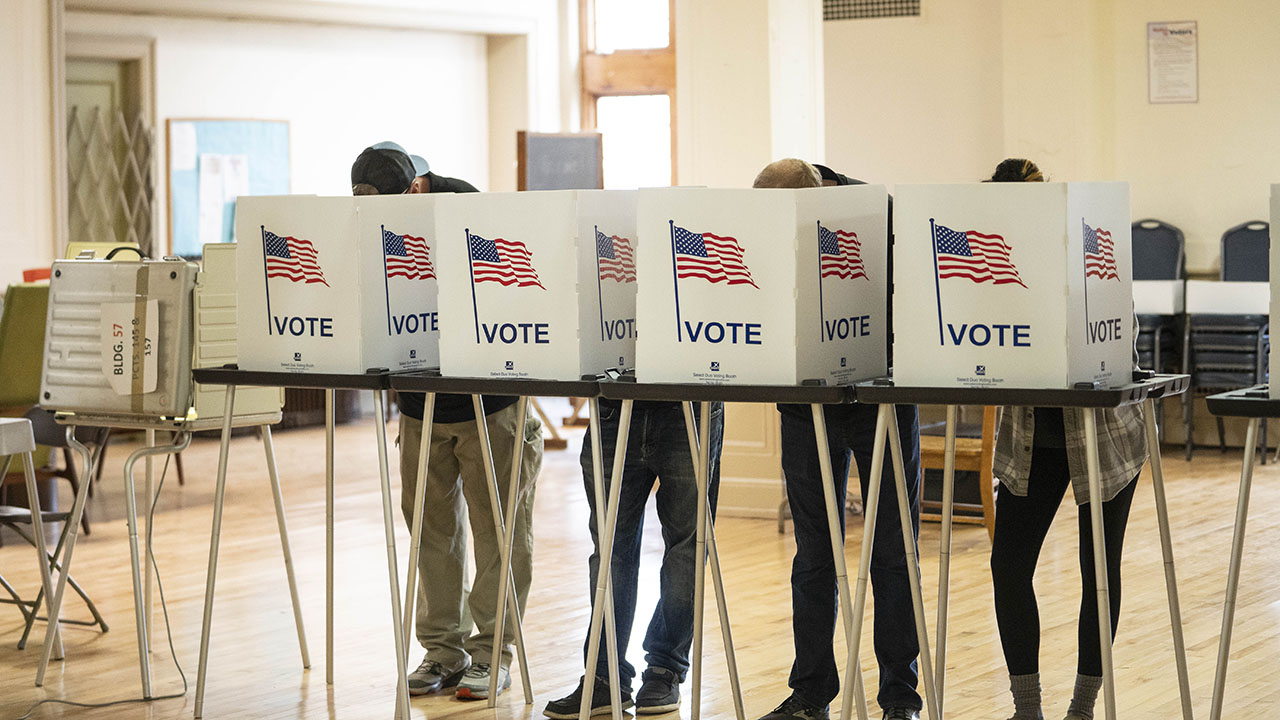
Virginia voters have serious choices this election season. Two proposed constitutional amendments on the ballot should give all people of goodwill pause, regardless of faith or political persuasion.
Ballot Question 1 would codify abortion in Virginia in the most extreme way, establishing a virtually unlimited right to abortion that would go far beyond Roe v. Wade. Ballot Question 2 would alter Virginia’s definition of marriage and reinforce the notion that marriage is simply a human construct, rather than a sacred covenant instituted by God between one man and one woman.
Activists pushing Ballot Question 1, the so-called “Right to Reproductive Freedom Amendment,” argue the change is needed to ensure that women are protected. This amendment does the exact opposite.
The page-long proposed constitutional amendment speaks of abortion—cloaked under the phrase “reproductive freedom”—as a “fundamental right.” The much shorter question that people will actually see on the ballot omits this extraordinary claim and utterly fails to summarize the proposed amendment in a fair or accurate way. A policy of almost completely unregulated abortion even for healthy babies up to birth is fundamentally unjust.
One provision in the amendment even states, “The Commonwealth shall not penalize, prosecute, or otherwise take adverse action against any individual for aiding or assisting another individual in exercising such other individual’s right” to an abortion, as long as there is “voluntary consent.”
The state could not take any adverse action against any individual who aids or assists in an abortion? Seems unthinkable, and yet that is what we in Virginia will be voting on. Since “any individual” is unlimited, it would apparently include those who are untrained, unlicensed, and unregulated. This provision could even make it more difficult to prosecute abusive partners and traffickers.
We often hear the slogan that abortion is health care. Let’s talk about Virginia health care.
Today a 17-year-old cannot bring Tylenol to school without a note from a parent. A 13-year-old cannot do it at all. No minor can get a tattoo without parental consent in Virginia, and even then a parent or guardian must be physically present. And even for legal adults, there are common-sense regulations regarding where and how someone can order tobacco and alcohol products online.
While the short ballot question speaks of “personal decisions,” the actual proposed constitutional amendment claims that “every individual has the fundamental right to reproductive freedom.” That phrase is so broad and sweeping as to push parents out of life-changing and irreversible decisions involving their family, including their minor daughters.
It seems inconceivable that Virginians would desire a future where abortion is so legally privileged that parental involvement simply no longer applies when it comes to ensuring the health and safety of their teenage children, or to fostering the basic right to life of their grandchildren.
If this amendment passes, a father and mother may not even know their daughter is expecting a child even as rivals to their natural authority—school counselors, Planned Parenthood activists, or so-called abortion doulas—could intervene to instill the false idea that the young woman has only one option: abortion.
No public official, abortion business, or activist should be allowed to replace the rights of family members to know and confront challenging circumstances together.
Virginia law already regrettably allows for unrestricted access to abortion until 27 weeks. Abortion is already even allowed in the third trimester, the final weeks of pregnancy, in certain circumstances. Yet, Ballot Question 1 would create a virtually unfettered legal right to abortion for anyone, even minors, up to the moment of birth.
Abortion is obviously not health care; even its proponents universally seek to exempt abortion from the normal health and safety standards and safeguards associated with medical procedures. The normal standards that apply to consumer health care decisions would be obliterated when it comes to abortion as a consequence of this amendment.
Whom does all this benefit?
One answer is human traffickers. Virginia has a serious problem with human trafficking. The number of cases of sex trafficking versus labor trafficking in the state is nearly double. Earlier this year five people were arrested in Dumfries and charged in connection with alleged prostitution and drug distribution ring after a years-long investigation. This is a real problem in our communities.
If Ballot Question 1 passes, it would be more difficult to prosecute sex traffickers for aiding and assisting in abortions by ordering abortion pills and providing them to those they traffic, effectively covering up evidence of their crimes with the protection of the law.
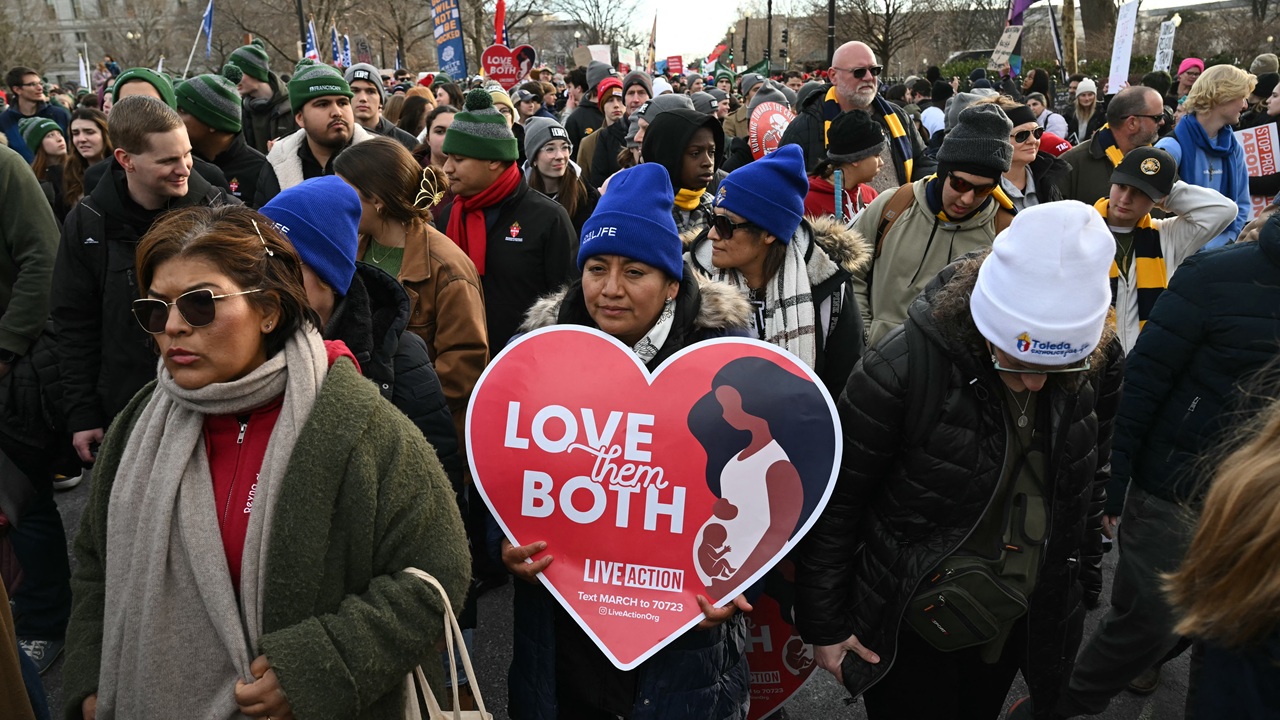
The Catholic Church knows the devastating consequences of abortion and is always available to assist women, ideally in avoiding abortion entirely. The Church also has a long history of helping mothers and fathers who desire healing after abortion. In northern Virginia, ministries like Catholic Charities St. Margaret of Cortona Transitional and Maternity Housing and Mother of Mercy Clinic in Manassas—in what was once an abortion facility—care for women throughout their pregnancies and long after their children are born.
These real alternatives for mothers allow women to choose life rather than abortion. At the same time, the Church, through Project Rachel, assists and journeys with all those who have participated in abortion and who are seeking nonjudgmental support for the grief and trauma experienced in the aftermath.
At the most fundamental level, Ballot Question 1 is about basic justice and safety. It is about whether the law will protect each and every member of the human family in our state and ensure the health and safety of every woman. If you care about women’s health and justice for the most vulnerable, vote no on Question 1.
God created us all in his image and likeness, and Catholics affirm the dignity of every person. We should treat others as we ourselves wish to be treated.
By voting “no” on Ballot Question 1, Virginia voters can proclaim their “yes” to the gift of human life, to the health and well-being of all, and to the common good of all in the Commonwealth of Virginia.
We publish a variety of perspectives. Nothing written here is to be construed as representing the views of the Daily Signal.
Continue reading...
[ H/T The Daily Signal ]