





"We Can't Be Part Of A Lost Generation": Bolsonaro Wins Four Key Party Endorsements Ahead Of Brazil Runoff
In a postmortem published Wednesday on Sunday's first-round Brazilian presidential election, Alberto Ramos, Goldman Sachs' chief Latin American economist, described a "conservative wave" that swept the country, culminating in right-wing Senator Flávio Bolsonaro's win over unhinged socialist President Luiz Inácio Lula da Silva.
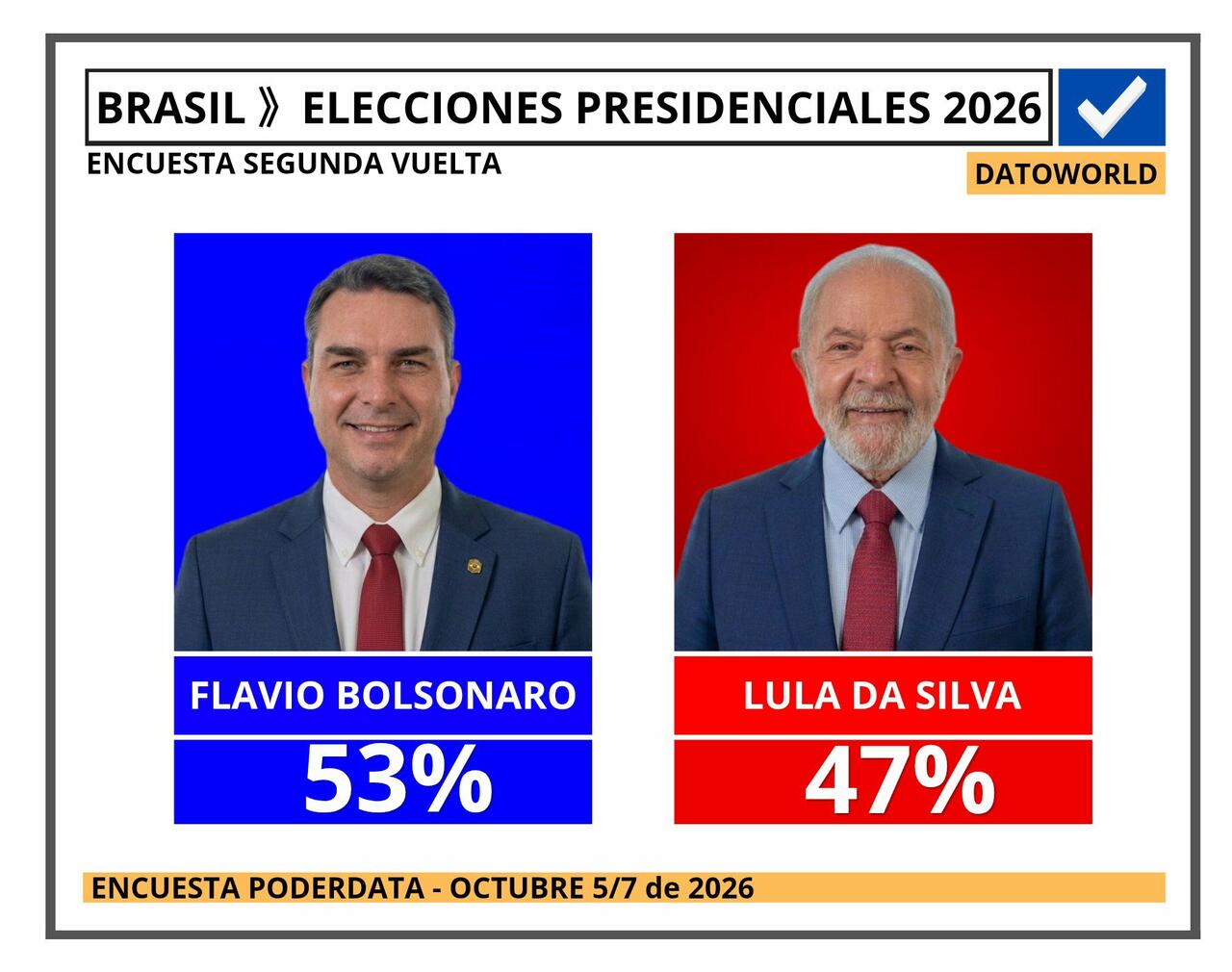
Bolsonaro's momentum continued mid-week after he secured endorsements from four center-right parties, strengthening his coalition ahead of the October 25 runoff election against Lula.
Bloomberg reports that Uniao Brasil, Progressistas, Republicanos and Novo backed Bolsonaro on Wednseday, one day after former rival Ronaldo Caiado backed him.
"We can't be part of a lost generation," Sao Paulo Governor Tarcísio de Freitas told Bolsonaro at a Republicanos event late Wednesday.
Freitas added, "We have to deliver on the work that your father started."
Freitas is describing the nation-killing socialist policies of Lula and how a once-in-a-generation conservative sweep has shifted South America from left-wing to right-wing after years of economic despair under socialist rule.
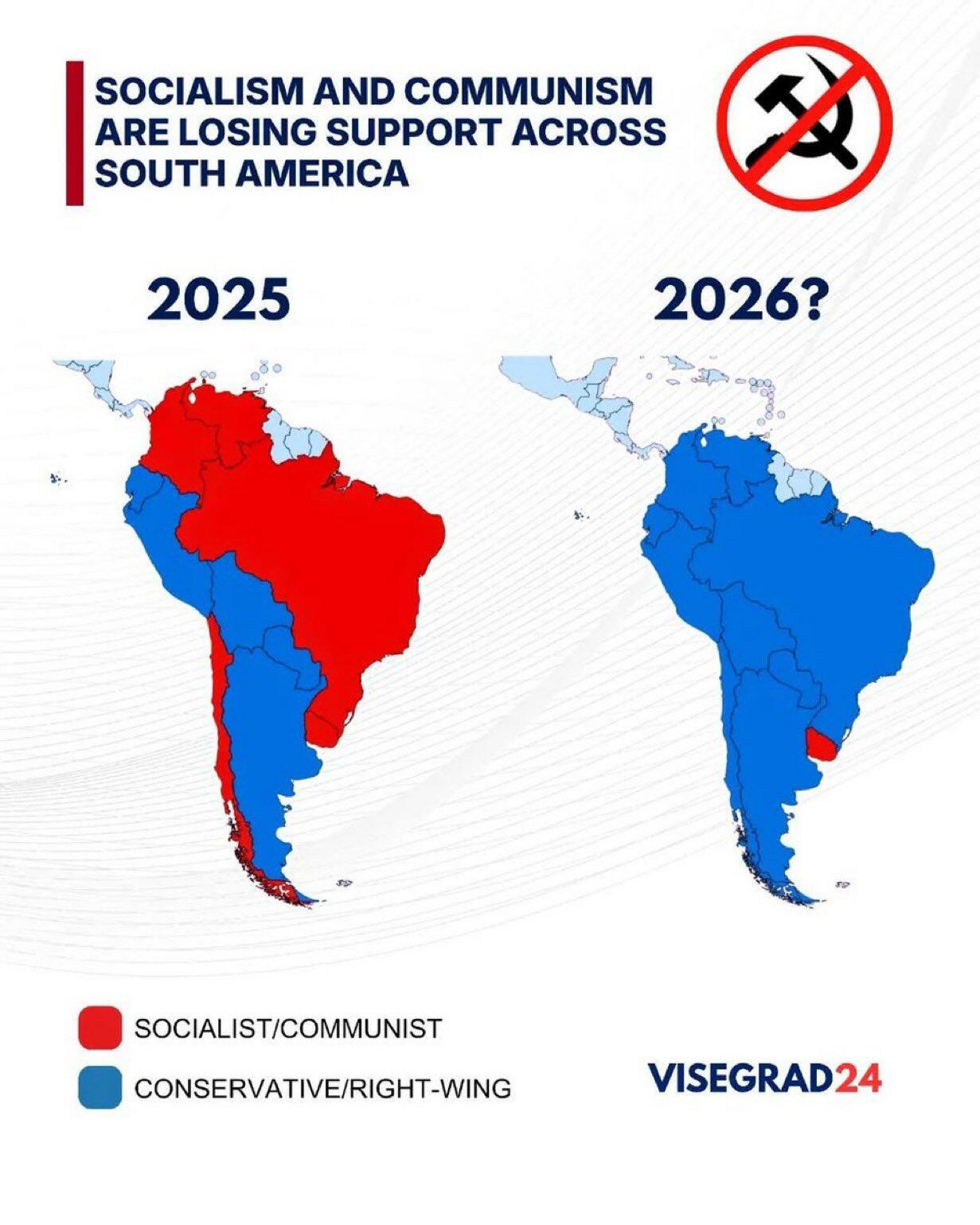
If Bolsonaro wins the runoff, it would cement the South American shift from left to right, with the continent's largest GDP joining it.
Goldman's Ramos commented on the upcoming runoff:
Separately, David Beker, Bank of America's chief Brazil economist, commented on the economic challenges for Brazil that lie just ahead, saying:
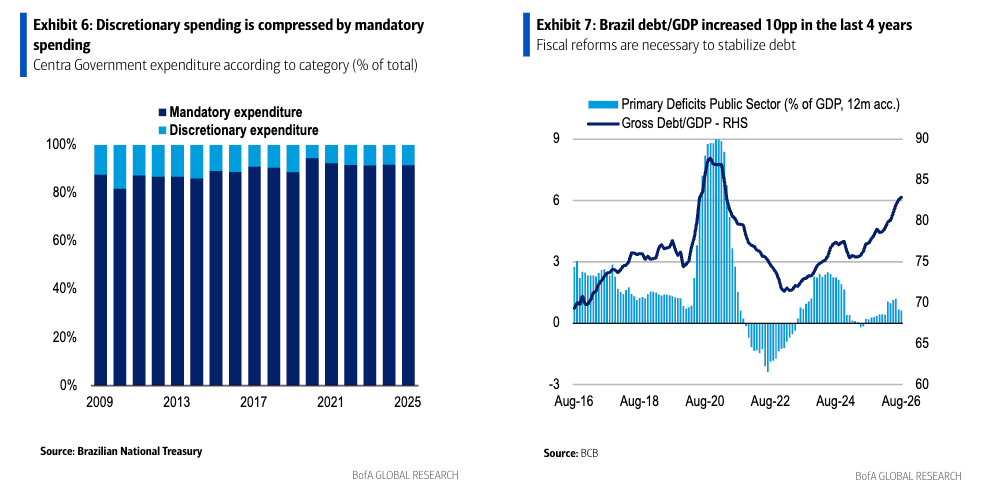
Meanwhile, the Brazilian real strengthened and the benchmark Bovespa stock index rallied sharply earlier this week, signaling the market has had enough with socialists and welcomes Bolsonaro, who would pursue greater fiscal discipline. The moves come as his economic team prepares to outline a plan to curb out-of-control spending under Lula's administration.
UBS hosted Ideia Big Data on Tuesday and came to the consultancy firm assigned Bolsonaro an 85% probability of victory (read report).
Tyler Durden Thu, 10/08/2026 - 20:30
Continue reading...
[ H/T ZeroHedge ]
In a postmortem published Wednesday on Sunday's first-round Brazilian presidential election, Alberto Ramos, Goldman Sachs' chief Latin American economist, described a "conservative wave" that swept the country, culminating in right-wing Senator Flávio Bolsonaro's win over unhinged socialist President Luiz Inácio Lula da Silva.
Bolsonaro's momentum continued mid-week after he secured endorsements from four center-right parties, strengthening his coalition ahead of the October 25 runoff election against Lula.
Bloomberg reports that Uniao Brasil, Progressistas, Republicanos and Novo backed Bolsonaro on Wednseday, one day after former rival Ronaldo Caiado backed him.
"We can't be part of a lost generation," Sao Paulo Governor Tarcísio de Freitas told Bolsonaro at a Republicanos event late Wednesday.
Freitas added, "We have to deliver on the work that your father started."
Freitas is describing the nation-killing socialist policies of Lula and how a once-in-a-generation conservative sweep has shifted South America from left-wing to right-wing after years of economic despair under socialist rule.
If Bolsonaro wins the runoff, it would cement the South American shift from left to right, with the continent's largest GDP joining it.
Goldman's Ramos commented on the upcoming runoff:
Separately, David Beker, Bank of America's chief Brazil economist, commented on the economic challenges for Brazil that lie just ahead, saying:
Meanwhile, the Brazilian real strengthened and the benchmark Bovespa stock index rallied sharply earlier this week, signaling the market has had enough with socialists and welcomes Bolsonaro, who would pursue greater fiscal discipline. The moves come as his economic team prepares to outline a plan to curb out-of-control spending under Lula's administration.
UBS hosted Ideia Big Data on Tuesday and came to the consultancy firm assigned Bolsonaro an 85% probability of victory (read report).
Tyler Durden Thu, 10/08/2026 - 20:30
Continue reading...
[ H/T ZeroHedge ]