




Years ago, my wife and I walked into a Nashville restaurant and found every waiting bench occupied. Young men took up many of the seats.
Gracie was using two canes. Her prosthetic legs were clearly visible. The young men appeared oblivious.
If our manners depend on applause, we have more learning to do ourselves.
“Which of you is going to offer her your seat?” I asked pointedly. Embarrassed, they all jumped up. They recognized what the moment required once someone brought it to their attention. Embarrassment can be a good teacher.
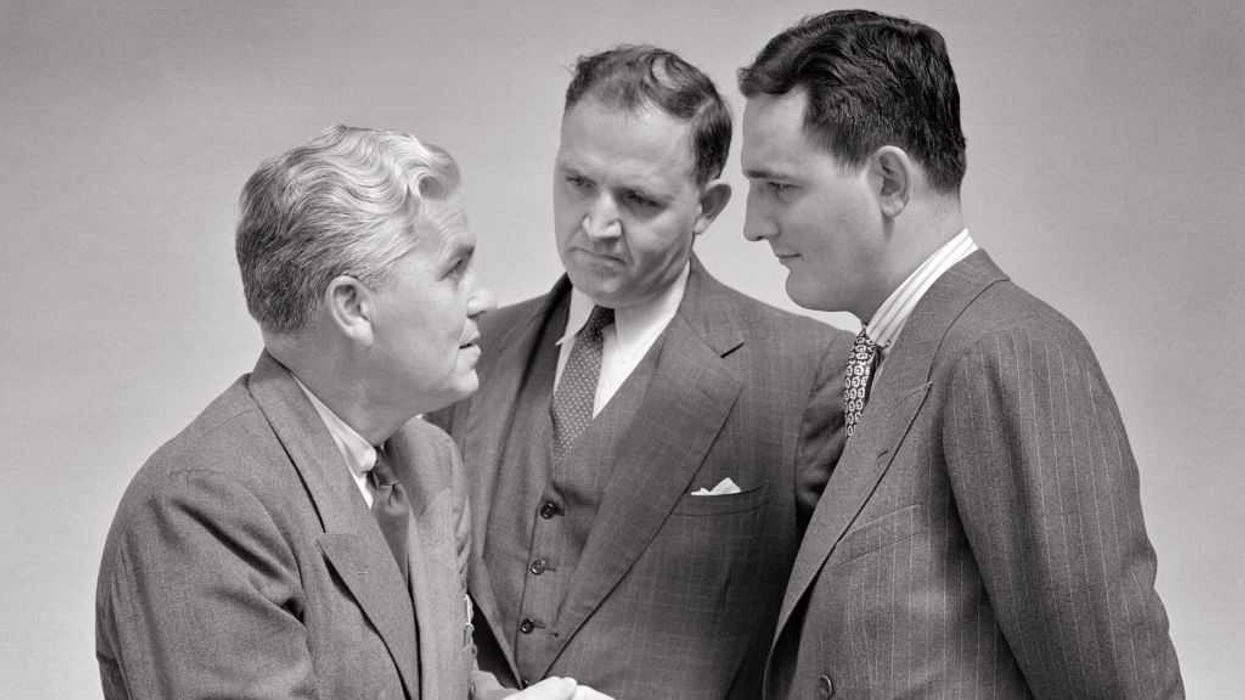
But boys shouldn’t have to wait for a stranger in a restaurant to teach them consideration. Men can teach those lessons much earlier, often through gestures so ordinary that a boy absorbs them before he understands their meaning. Removing a hat is one of them.
In 1 Corinthians 11:4, Paul addresses men praying with their heads covered. For generations, Christian men removed their hats during prayer and in church. Women followed a different tradition, rooted in the same passage. A woman’s Sunday hat and her husband’s uncovered head could both express reverence.
Military and civilian customs also made uncovering a gesture of respect. In 1745, the Coldstream Guards instructed soldiers to salute by bringing their hands to their hats and bowing rather than removing them, helping shape the modern hand salute. The Emily Post Institute still advises men to uncover during worship, meals, and the national anthem.
I learned the gesture before I learned the history. My father wore a Navy captain’s cap adorned with an eagle. When he entered a building, he removed it and cradled it in his hand. He didn’t announce that he was demonstrating respect. I just watched him do it.
I’ve seen men remove their hats as funeral processions passed, honoring people whose names they didn’t know. At gravesides, they stood bareheaded beside grieving families. They didn’t need an introduction to recognize someone else’s sorrow.
From my usual perch at the church piano, I’ve watched younger men arrive for worship or funerals with their hats still on. Some may dismiss the custom. Others may never have been taught.
In a country arguing over what a woman is, perhaps we ought to spend some time teaching boys what a man is. Particularly a gentleman.
RELATED: Before pride drives the tractor through the fence
Holding a door for a woman is another place to start. Any door. Most women respond graciously. Occasionally, one responds derisively or remains absorbed in her phone. Hold it anyway. Her response needn’t dictate your manners.
My father expected that courtesy of me. If our manners depend on applause, we have more learning to do ourselves.
I taught my sons to stand when a woman leaves or returns to the table and to help seat her. When I extend my hand for a handshake, I remove my glove. Even in a Montana winter, though I try to keep the introductions brief.
One of my sons told me how sad he finds it that so many in his generation, and the one following, struggle with basic introductions: shaking a hand, looking someone in the eye, and speaking clearly. Those moments can open a friendship, begin a job interview, or help someone feel welcome. Boys need men willing to practice with them.
Why do these things? Because consideration ought to require something of us. We rise from a comfortable chair. We pause to hold a door. We expose a hand to the cold to greet someone properly. We recognize that “Yeah” is a poor replacement for “Yes, sir” or “Yes, ma’am.”
Sometimes we surrender a restaurant bench to a woman standing on prosthetic legs.
RELATED: What Montana taught this Southern storyteller about shutting up

Some boys have no father at home. Some grown men never had one to teach them either. Grandfathers, uncles, pastors, coaches, and neighbors can pass along what someone once taught them. When necessary, a stranger can speak up too.
Keeping males out of women’s sports is only part of the work. Being male doesn’t automatically make someone a gentleman. We have to teach boys what mature manhood requires, and expect it of grown men: consideration, restraint, and a willingness to put someone else’s needs ahead of our own.
Those lessons take shape in small gestures, repeated until they become habits. A seat offered. A door held. A hat removed.
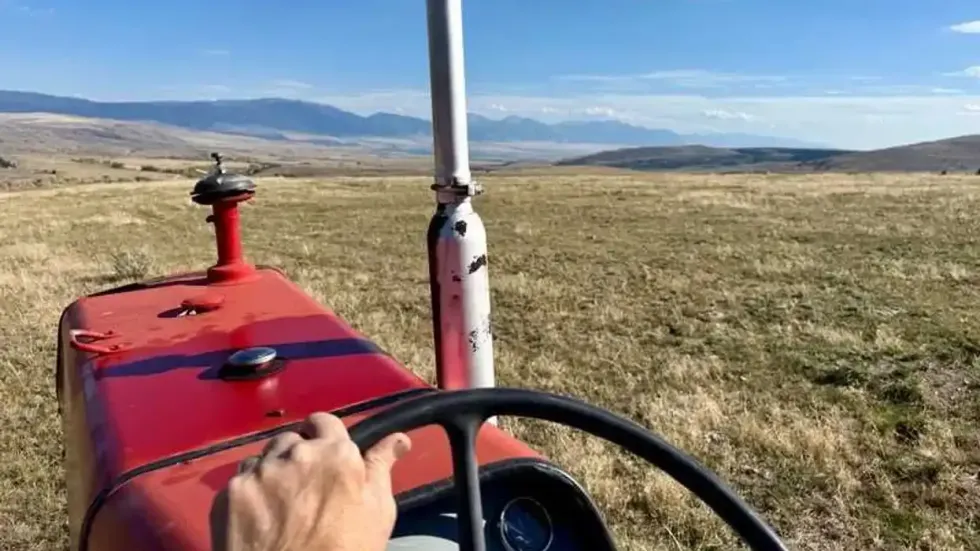
After moving to Montana, we attended our first rodeo in the community. The announcer asked the men to remove their hats. As I remember it, he called them “lids.”
The invocation echoed through the stands, and we remained standing for the national anthem. Beyond the grounds rose the purple, snowcapped Rockies. A woman on horseback carried the American flag as the crowd joined in singing. Cowboy hats and a few ball caps rested over hearts.
That rodeo reminded me these values are still being taught. A little boy stood in boots and jeans with his cowboy hat over his heart. Someone had taught him. Around him stood men modeling the same lesson.
Sometimes the way back is paying attention to the small things.
Continue reading...
[H/T Blaze Media]