








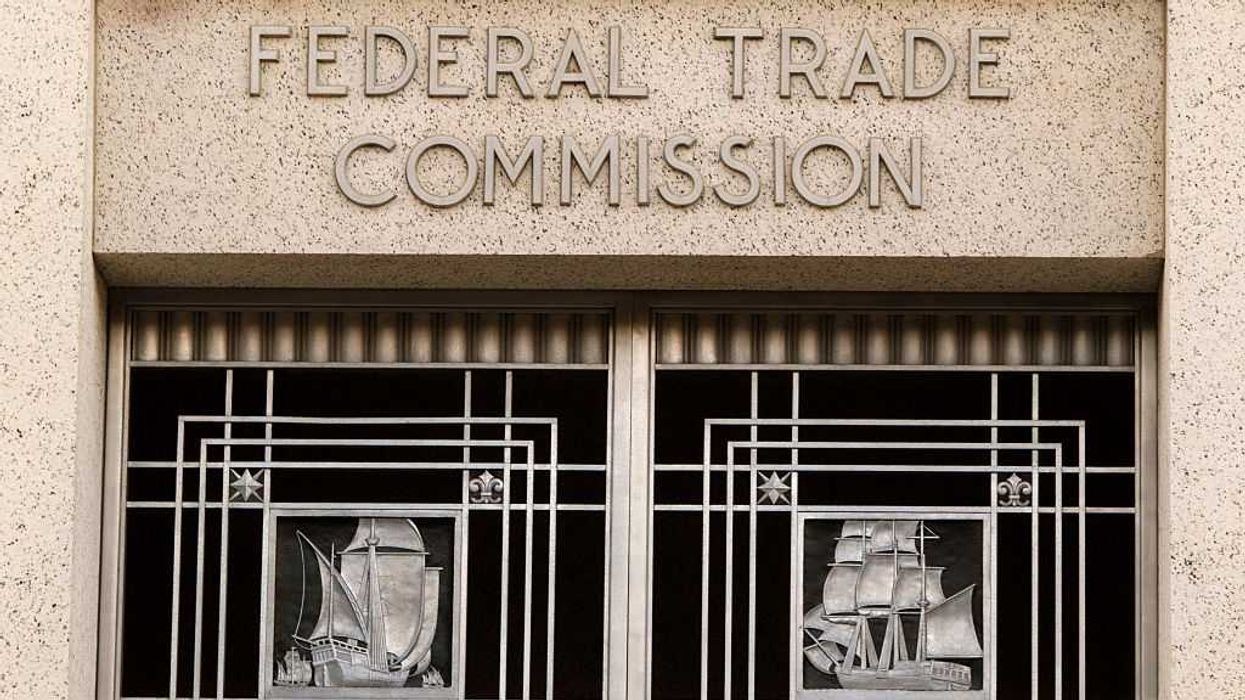
Hours before trial was set to begin last month, the Federal Trade Commission and five state attorneys general settled their antitrust case against Zillow and Redfin. While this was a major success, and the FTC should be proud, there is still more to be done.
More than 30% of American households rent. For most of them, the search begins and often ends inside one company's ecosystem, which is a major violation of antitrust principles and laws.
The solution does not actually touch the cost of rent for average people.
To be clear, the government was able to achieve much. In a $100 million deal, Zillow had paid Redfin to shut down its multifamily rental-advertising business, transfer its customers and salesforce, and stay out of the market for as long as nine years. That deal is now dead. Instead, Redfin will have to restart its former business within six months and display Zillow's listings under a partnership that will continue through at least 2030.
This remedy is superior to potential alternatives, such as a fine, which often does not actually solve the problem. Gigantic monopolies can usually absorb these fines and continue to violate antitrust law. Requiring actual change goes a long way toward solving the problem.
This was, to be clear, a rather easy antitrust case. The Zillow-Redfin deal was a blatant violation of the core principles of antitrust. The companies literally signed an agreement not to compete, with a nine-figure bribe thrown in.
The FTC was also not alone in its demands against Zillow and Redfin. Virginia, Connecticut, New York, Washington, and Arizona all joined in. After securing the required changes, FTC Chairman Andrew Ferguson hailed the result as a critical part of the Trump administration's housing agenda.
This last framing, however, is a problematic framing for supporters of antitrust. The issue only dealt with property managers as it concerned postings for renting. The solution does not actually touch the cost of rent for average people. Essentially, a housing-advertising case is being sold as a housing-affordability case.
Consider what the settlement leaves standing.
Zillow still operates Zillow Rentals, Trulia, and HotPads. Restoring Redfin is a major success, but eliminating the deal does not solve the issue because there is so much more to do.
Even worse, Zillow’s dominance extends beyond rental listings into the homebuying transaction itself through alleged "tying" tactics. In ongoing class action antitrust litigation against Zillow, plaintiffs allege that Zillow leverages its monopoly over buyer leads to force real estate agents into steering clients toward Zillow Home Loans. By tying access to critical consumer leads to whether an agent pressures clients to use Zillow’s lending arm, the platform squeezes independent lenders out of the market and deprives buyers of competitive mortgage rates.
RELATED: The GOP can’t blame Biden forever for pain at the pump

Then there is Redfin itself, which is owned by Rocket Companies. Rocket Companies also owns Mr. Cooper, one of the country's largest mortgage servicers, another potential antitrust violation. This sketchy alliance has already raised the ire of some in Congress.
This is not to say that the FTC was wrong to make this settlement. It’s only to say that the job is not yet finished.
Because yes, renters may eventually pay a little less than they do now, as the trickle-down effect occurs. But that would take a long time and is the most indirect way possible to lower rent or limit increases.
There are three ways the federal government can build on its success.
First, use its 6(b) (of the FTC Act) authority to study the rental listing market as a whole: the pricing, exclusivity arrangements, syndication terms, and leverage, including illegal tying mechanisms between lead generation and home financing.
Second, the agency should make clear that trading preferential access for exclusivity should not be automatically safe simply because no money changed hands. What Zillow and Redfin did would have been illegal even if Zillow had not bribed Redfin.
Finally, Congress and state regulators should pay attention to what unfolds, particularly as 2030 gets closer. Zillow and Redfin are going to use the next four years to figure out how they can legally reconstruct their partnership; it is up to elected officials and regulators to keep them from being successful.
The FTC started off strong, but still has a long way to go. Over the next few years, it is critical that the agency turn its sights toward anti-competitive tying and finish the fight for housing affordability.
Continue reading...
[H/T Blaze Media]