





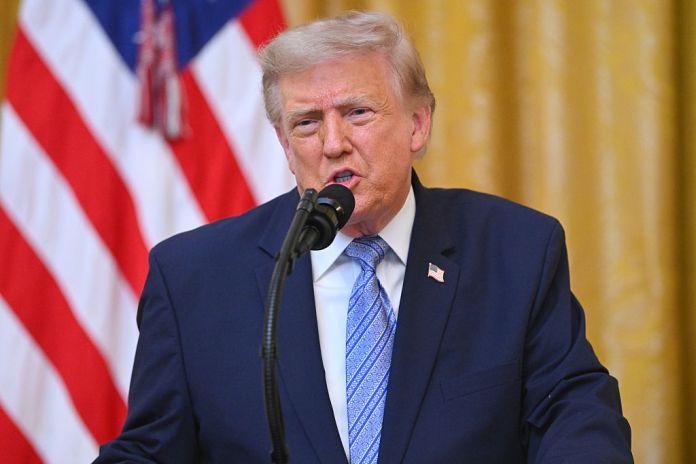
On Thursday, in a powerful primetime speech, President Donald Trump accused China of interfering in the 2020 presidential election.
According to Trump, China compromised as many as 220 million U.S. voter records, with the conspiracy then covered up by the deep state. Trump promised to declassify documents that would reveal vulnerabilities in America’s election infrastructure.
No surprise that the legacy media immediately poured cold water on the speech. They accused Trump of repeating debunked claims and trumpeted Chinese denials.
But for anyone who’s been paying attention for the last 25 years, Trump’s claims, while shocking, are also unsurprising. Chinese espionage in the United States is the most comprehensive and successful campaign of its kind in history.
Did China meddle in the 2020 election? It would be more surprising if it didn’t.
It’s well established that China interfered in previous elections. In 2024, back when it could afford to be honest, the New York Times blared, “China’s advancing efforts to influence the U.S. election raise alarms.”
Two months earlier, the Office of the Director of National Intelligence released its “Annual Threat Assessment,” stating that “TikTok accounts run by a [People’s Republic of China] propaganda arm reportedly targeted candidates from both political parties during the U.S. midterm election cycle in 2022.” Why? China sought to “sow doubts about U.S. leadership, undermine democracy, and extend Beijing’s influence.”
Our elections are the cornerstone of our democracy, one of those things that set us apart from Chinese authoritarianism. China’s sophisticated influence campaigns should be cause for alarm, not brusque dismissals from CNN.
And election interference is only the tip of the iceberg.
According to research by the Center for Strategic and International Studies, there have been 224 reported instances of Chinese espionage against America since 2000. The keyword there is “reported” — those are just the ones we know about.
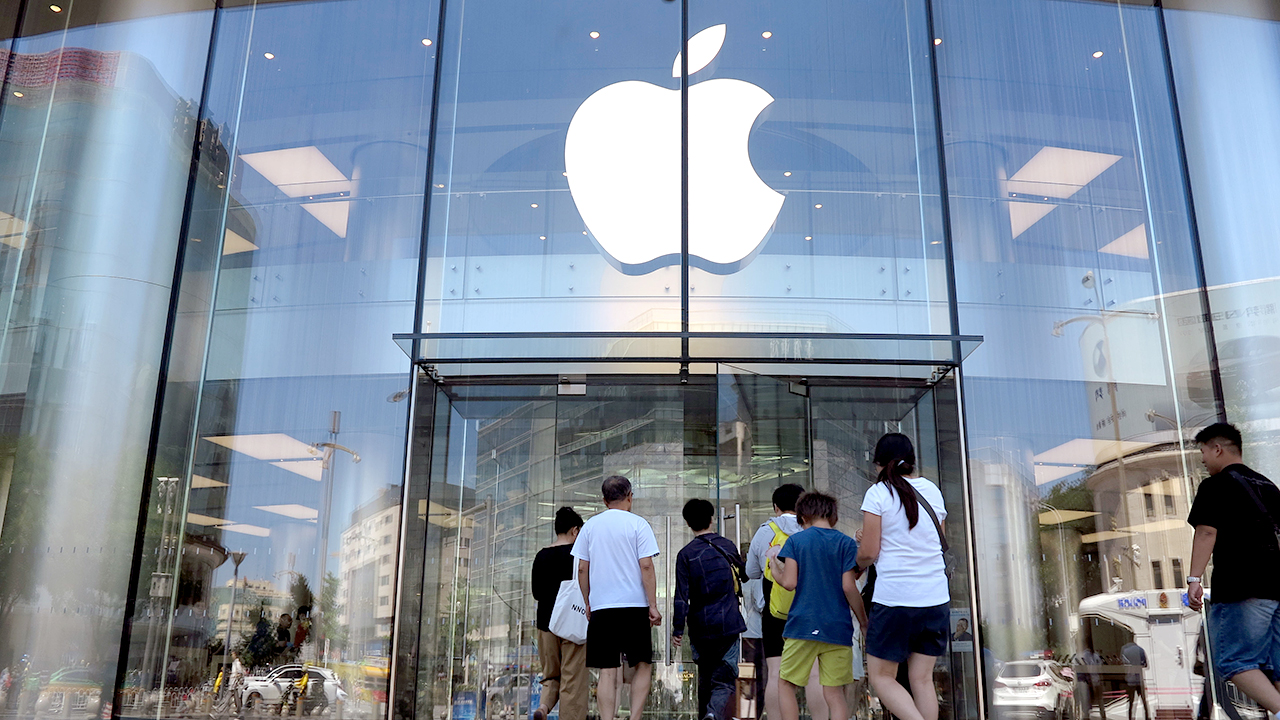
Chinese hackers and spies have targeted the Department of Defense, the Naval War College, the Department of Health and Human Services, the Department of Labor, the Jet Propulsion Laboratory, Apple, Coca-Cola, United Airlines, GitHub, among many others.
China also hacked the 2008 presidential campaigns of both Barack Obama and John McCain. Yet we’re supposed to believe they sat out 2020?
What stands out most about this espionage campaign is how thorough it is. Not only is China targeting virtually every aspect of American life, but there’s also little distinction between state and non-state actors. Forty-nine percent of espionage incidents involved Chinese government or military officials, while 41% came from private Chinese citizens.
This is how it works in China, where there’s no distinction between private and public. It’s one reason Trump and so many experts consider it a threat.
The most common type of Chinese espionage is intellectual property theft. Estimates suggest China steals $600 billion in American IP annually, and this is likely a lowball. In 2019, 1 in 5 corporations said China had stolen their IP in the last year.
This blatant theft is how China tries to erase long-standing American advantages, especially in tech, where the U.S. had a massive head start.
Some of the most egregious offenders could be companies such as Huawei. The Chinese tech giant could double as a willing instrument of Chinese state strategy. Left unchecked, it could engage in constant corporate espionage against American companies, whose information could then be used to service even more espionage.
China’s strategy is to exploit America’s open markets and, yes, its free elections as a weakness. Fortunately, Trump has been using that same openness to fight back.
The Trump administration worked with the intelligence community to approve a merger between U.S. tech companies Hewlett Packard Enterprise and Juniper Networks to take market space away from Huawei, shrinking its opportunities for espionage. It also launched an American AI Exports Program aimed at helping U.S. companies sell integrated artificial intelligence systems abroad, reducing allies’ dependence on technology from adversarial nations.
This is how it’s done. America meets the stifling totalitarianism of Huawei with a free-market alternative that can innovate faster and better.
And if we can leverage open markets, we can leverage our open political system too.
OPINION: WE GUARDED CHINA’S OIL FOR FREE. TRUMP SENT THEM THE BILL
The president should follow through on his promise and release as many of the files related to Chinese election interference as possible. Let sunlight be the best disinfectant. Call out Chinese infiltrators and their deep state enablers. Show the world what China has done.
The legacy media want you to think Trump is the real “threat to democracy.” The truth will emerge soon enough.
Randy Forbes is a former Republican member of Congress who represented Virginia’s 4th Congressional District for 16 years. He is a senior distinguished fellow at the Naval War College Foundation.
Continue reading...
[ H/T Washington Examiner ]