






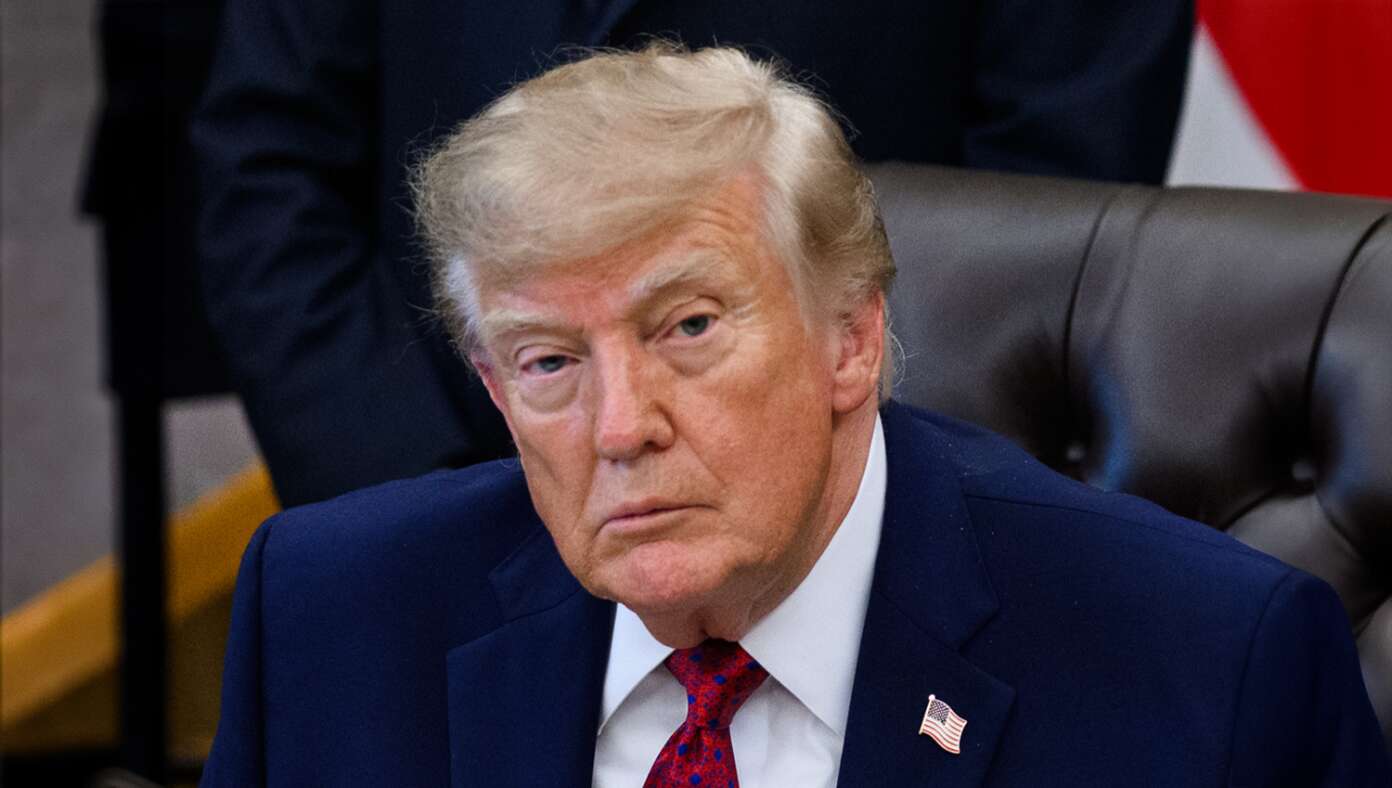



President Donald Trump just received another major piece of economic news, and this one blew straight past the experts.
America added 165,000 jobs in October while the unemployment rate fell to 4.1%, according to the latest employment report from the Bureau of Labor Statistics. Economists had expected roughly 65,000 new jobs, meaning the actual result beat the consensus forecast by about 100,000.
The details were even stronger than the headline number. Professional and business services added 70,000 jobs, manufacturing gained 19,000, and private-sector payrolls increased by 159,000.
Workers also saw their paychecks move in the right direction. Average hourly earnings rose 0.4% in October and were 4.0% higher than a year earlier.
The labor force expanded by 421,000 people while the number of unemployed Americans declined. That combination matters because it means the lower unemployment rate did not come from a mass exodus of workers.
The government also revised August and September upward by a combined 84,000 jobs. August was raised by 53,000 and September by 31,000, adding more evidence that the labor market entered the fall with greater momentum than first reported.
That is an emphatic answer to the people who spent months insisting the Trump economy was headed over a cliff.
They predicted tariffs would destroy American employment. They predicted the administration’s energy and deregulation policies would fail.
They predicted businesses would freeze hiring.
Instead, employers added more than twice the number of jobs economists expected, wages continued climbing, and unemployment moved lower.
The manufacturing gain is especially notable. For decades, Washington accepted the idea that America should ship factories abroad and then lecture displaced workers about a supposedly inevitable global economy.
Trump rejected that surrender. His agenda has focused on domestic production, fairer trade, lower energy costs, and making the United States a place where companies build things again.
One report does not settle every economic question, and Americans still feel the damage caused by years of inflation. Housing, groceries, insurance, and other essentials remain too expensive for millions of families.
But that is precisely why real wage growth and a healthy labor market matter. Families need more opportunity and bigger paychecks, not another Washington program that promises relief while quietly driving prices higher.
The October numbers also expose how quickly the media narrative can become detached from reality. Bad forecasts receive days of dramatic coverage, while strong results are often buried beneath caveats designed to make good news sound suspicious.
Americans can read the numbers for themselves: 165,000 jobs, 4.1% unemployment, rising wages, stronger prior months, and solid private-sector hiring.
The political class will argue over who deserves credit, but the direction is clear. Employers are hiring, more Americans are entering the workforce, and workers are earning more.
That does not mean the job is finished. It means the policies Washington was told could never work are producing results that the so-called experts failed to see coming.
For President Trump, this is more than a favorable headline. It is evidence that putting American workers, manufacturing, and economic independence first can deliver measurable gains.
And for the pundits who predicted disaster, October’s report is one more reminder: the American economy does not take its orders from the permanent bureaucracy.
This is a Guest Post from our friends over at 100 Percent Fed Up. View the original article here.
Continue reading...
[ H/T WLT Report ]


