





This Is The Chart That Jensen Huang Does Not Want You To See
In October 2025, while the world and his pet rabbit was buying anything-AI with both hands and feet, we were the first to warn that "AI Is Now A Debt Bubble Too, Quietly Surpassing All Banks To Become The Largest Sector In The Market"...
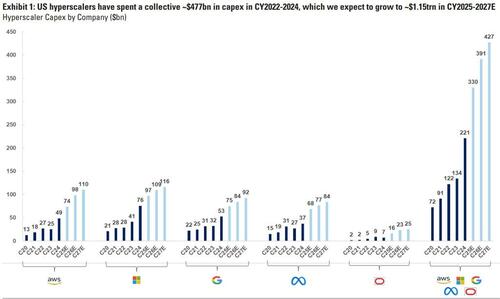
...as the world began to wake up to the negative free cash flow implications of the unprecedented CapEx spend required to achieve AI-Utopia... and therefore the need to fund that via debt (and equity)...
The poster-child at the time was Oracle, which had seen its stock explode higher on the back of the latest circular-financing deal involving OpenAI and NVDA, "The dissonance between ORCL equity dreamers and credit realists is dramatic to say the least."
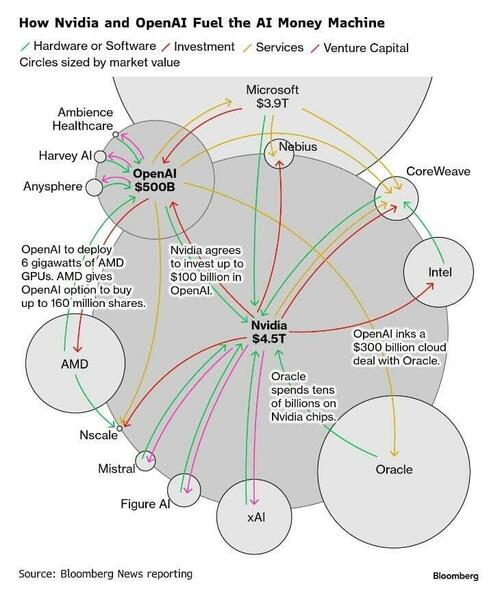
With the interconnected web of reacharound deals growing more and more complex... to keep the dream alive.
Following our exposé, several in the mainstream media started picking up on this - including CNBC's David Faber - but as AI stocks reaccelerated off the Iran-ceasefire-dip lows, momentum-chasers dominated any fundamental (real world economics) threat.
But, that reality was still there, getting worse, growing larger, and being recognized by more and more credit market professionals as "an issue", and we continued to document...
And most recently, just this week: "Goldman's One-Delta Desk Weighs 'High Degree Of Policy Reflexivity' Versus Hyperscaler Debt Doubts"
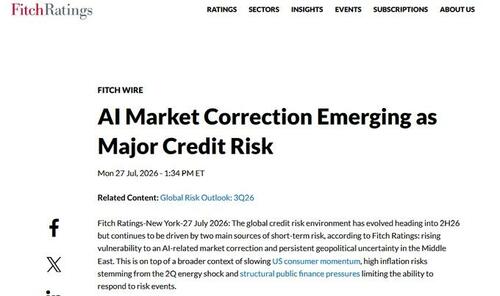
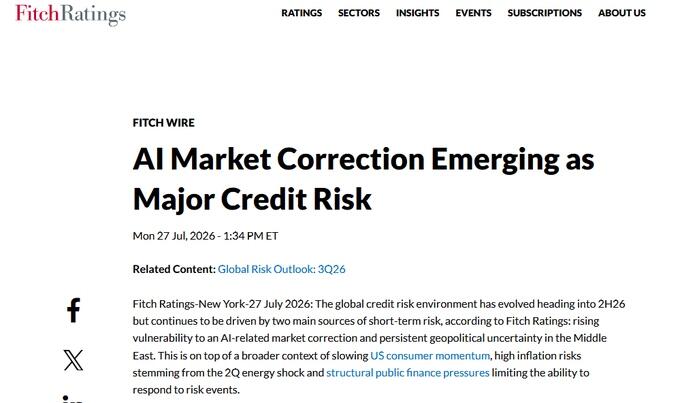
And now even Fitch Ratings is realizing, just 10 months after us, that the real bubble is in AI Debt.
Simply put, as Goldman's Rich Privorotsky noted this week: the cracks around hyperscaler financing continue to widen as the market struggles to find the appropriate clearing price for companies that have historically run under levered balance sheets but now have enormous capital ambitions.
All of which brings us to Nvidia...

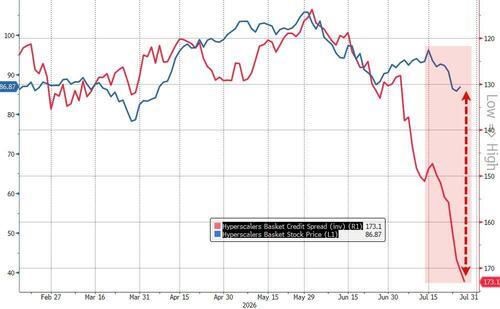
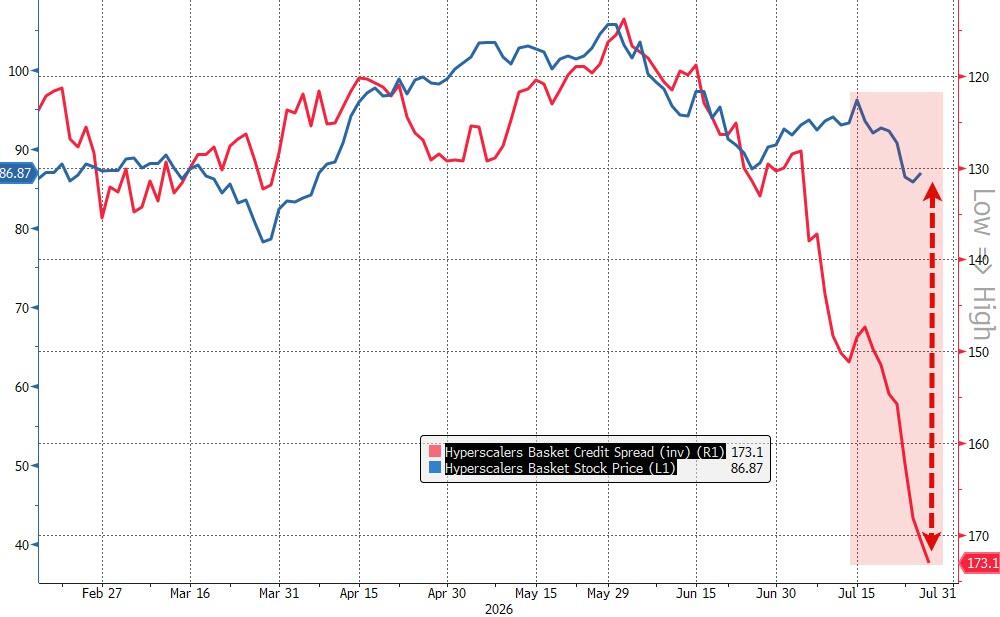
The last week or so has seen questions about hyperscalers' ability to fund the massive CapEx required to keep the AI dream alive with the explosion in hyperscaler credit risk finally starting to weigh on the stocks of those companies (GOOGL didn't help with no credible visibility on ROI to ease those fears)...
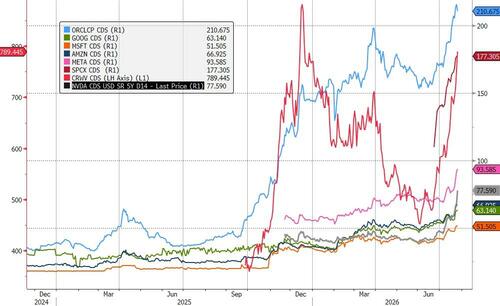
The cost of protecting against default is rising across all the hyperscalers (with ORCL and CRWV most worrisome)...
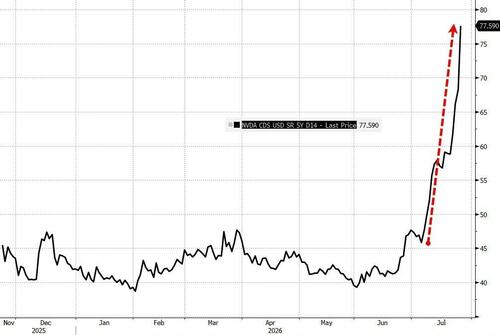
But, it is NVDA's credit risk that has surged by the most on record after reports of the chipmaker being in conversations on hundreds of billions of artificial intelligence infrastructure deals stoked fears about the company’s obligations.
The increasingly interconnected web of dependencies between technology manufacturers and AI startups continues to stir unease. The risk of these “circular” deals was highlighted last year here, and although markets forgot all about it, they are now once again freaking out.
For JonesTrading chief strategist Mike O’Rourke, investors can “talk about the compute storage all they want and the fundamental demand, but it is clear that a significant portion of Nvidia’s sales come from an ecosystem that Nvidia is artificially creating.”
The result is that the “only certainty one can have is the high degree of uncertainty in the AI environment,” he said.
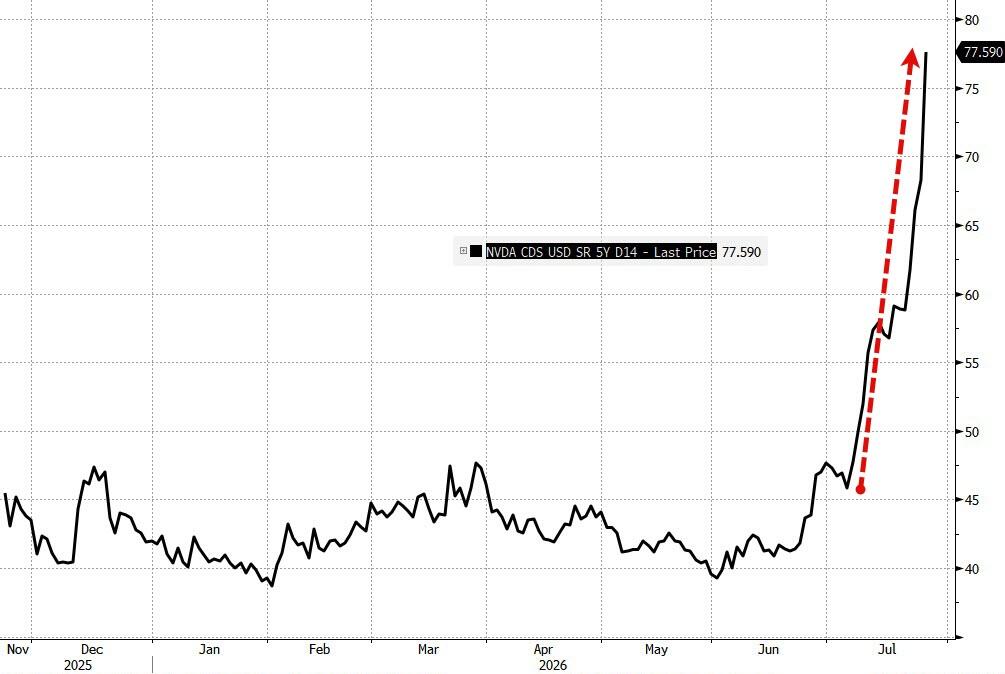
All of which snapped NVDA's 5Y CDS spread up to 82bps (intraday) - almost double what it was a week ago...
The level of borrowing across the AI infrastructure likely requires investment-grade ratings, which are difficult for the likes of OpenAI and Anthropic PBC to currently support given they are rapidly burning cash to grow their businesses.
So, backing from big (better-rated) firms can help debt that funds AI infrastructure spending win high-grade ratings.
Credit-market signals are a more relevant short term gauge than EPS valuations for hyperscalers, notes Manish Kabra at Societe Generale.
When there is a peak in CDS spreads, it should signal the market beginning to price in an improvement in hyperscalers’ free cash flow and an end to a derating.
But an inflection in FCF is not expected until the second half of 2027, Kabra adds.
And, like everything, there is a limit to what the market will take before those 'better-rated' companies face the same leverage test that the startups do.
All of which brings us to the chart that we are sure Jensen Huang would not want to see emblazened across trading desks.
One of these things is not like the other.
From the inception of NVDA CDS last November until the end of March (ceasefire lows), the two markets were well-synced, as you would expect...
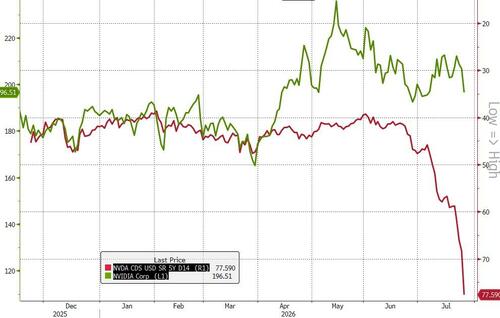
But since then, the divergence has been dramatic (and NVDA's share price is starting to show it)...
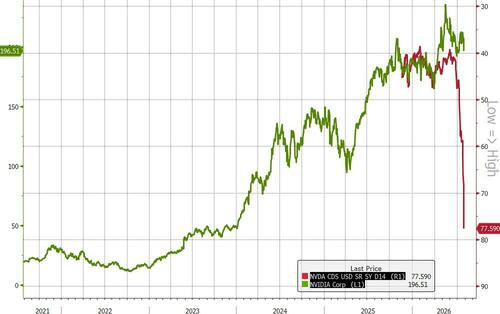
While NVDA's stock is 'off the highs' NVDA's credit risk is signaling something considerably worse and there are big tests ahead this week for Nvidia and the broader AI trade.
Hyperscalers Microsoft, Meta, and Amazon are set to report earnings across a two-day period. Investors will be closely watching their CapEx guidance, having proven sensitive to heavy spending in recent months. (Just ask Alphabet how their capex forecast was received last week.)
Tyler Durden Tue, 07/28/2026 - 08:45
Continue reading...
[ H/T ZeroHedge ]
In October 2025, while the world and his pet rabbit was buying anything-AI with both hands and feet, we were the first to warn that "AI Is Now A Debt Bubble Too, Quietly Surpassing All Banks To Become The Largest Sector In The Market"...
...as the world began to wake up to the negative free cash flow implications of the unprecedented CapEx spend required to achieve AI-Utopia... and therefore the need to fund that via debt (and equity)...
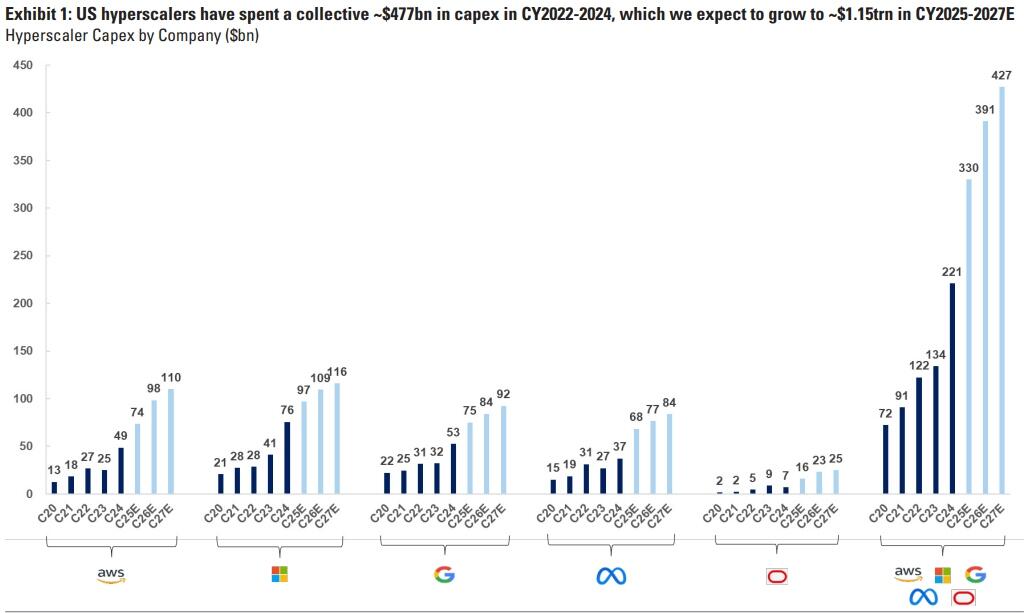
The poster-child at the time was Oracle, which had seen its stock explode higher on the back of the latest circular-financing deal involving OpenAI and NVDA, "The dissonance between ORCL equity dreamers and credit realists is dramatic to say the least."
With the interconnected web of reacharound deals growing more and more complex... to keep the dream alive.
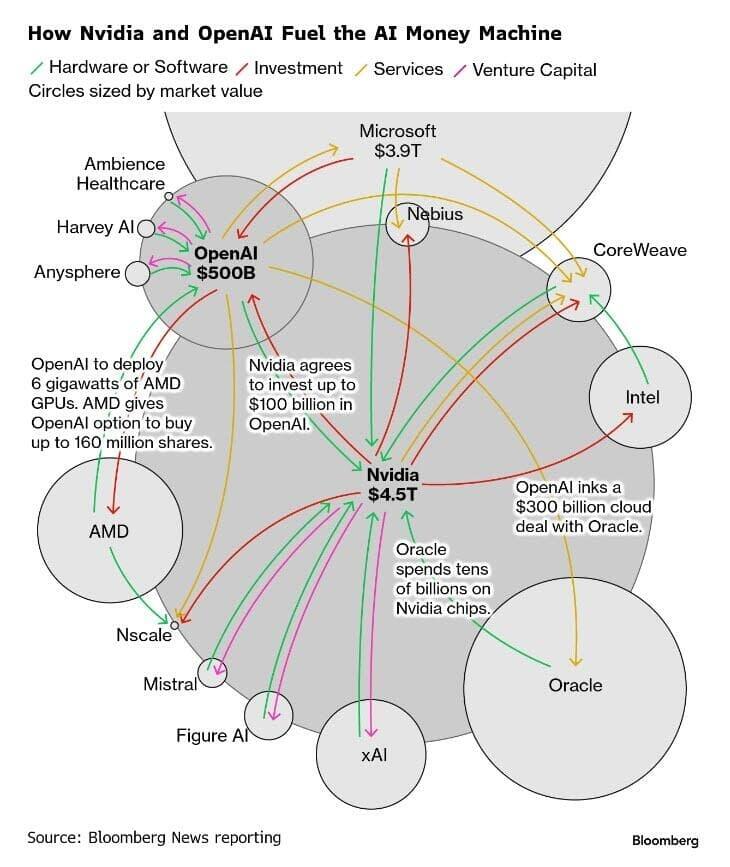
Following our exposé, several in the mainstream media started picking up on this - including CNBC's David Faber - but as AI stocks reaccelerated off the Iran-ceasefire-dip lows, momentum-chasers dominated any fundamental (real world economics) threat.
But, that reality was still there, getting worse, growing larger, and being recognized by more and more credit market professionals as "an issue", and we continued to document...
6/13: Massive AI Debt Issuance Main Driver Behind Jump In Global Credit Impulse
6/14: The $1.8 Trillion Off-Balance Sheet Time Bomb At The Heart Of The AI Supercycle
6/15: Nvidia To Raise $20BN In Debt From First Bond Sale Since 2021, As AI Debt Frenzy Goes Parabolic
7/07: Amazon Sells Another $25BN Bonds As Goldman Urges Clients To Start Hedging AI Debt Bubble
7/14: "Carnage" In The Hyperscaler Bond Market: Did Goldman Just Pop The AI Debt Bubble
7/22: "Generational Transfer Is Taking Place": The Cash Crunch Is Coming For AI Hyperscalers
7/22: AI's Off-Balance-Sheet Time-Bomb Goes Mainstream: Leverage Might Be Much Worse Than It Looks
And most recently, just this week: "Goldman's One-Delta Desk Weighs 'High Degree Of Policy Reflexivity' Versus Hyperscaler Debt Doubts"
And now even Fitch Ratings is realizing, just 10 months after us, that the real bubble is in AI Debt.
Simply put, as Goldman's Rich Privorotsky noted this week: the cracks around hyperscaler financing continue to widen as the market struggles to find the appropriate clearing price for companies that have historically run under levered balance sheets but now have enormous capital ambitions.
All of which brings us to Nvidia...
The last week or so has seen questions about hyperscalers' ability to fund the massive CapEx required to keep the AI dream alive with the explosion in hyperscaler credit risk finally starting to weigh on the stocks of those companies (GOOGL didn't help with no credible visibility on ROI to ease those fears)...
The cost of protecting against default is rising across all the hyperscalers (with ORCL and CRWV most worrisome)...
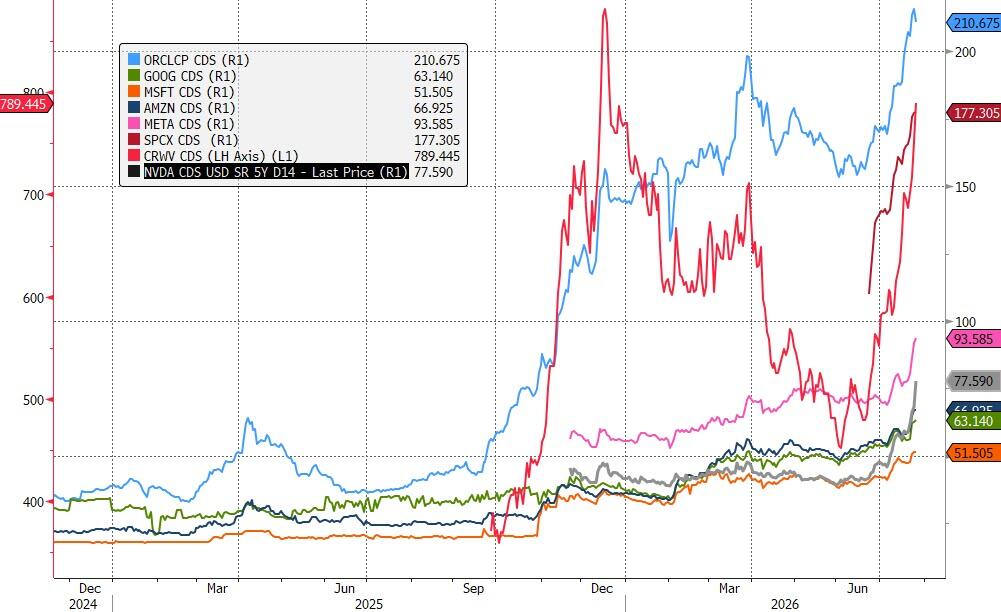
But, it is NVDA's credit risk that has surged by the most on record after reports of the chipmaker being in conversations on hundreds of billions of artificial intelligence infrastructure deals stoked fears about the company’s obligations.
The increasingly interconnected web of dependencies between technology manufacturers and AI startups continues to stir unease. The risk of these “circular” deals was highlighted last year here, and although markets forgot all about it, they are now once again freaking out.
For JonesTrading chief strategist Mike O’Rourke, investors can “talk about the compute storage all they want and the fundamental demand, but it is clear that a significant portion of Nvidia’s sales come from an ecosystem that Nvidia is artificially creating.”
The result is that the “only certainty one can have is the high degree of uncertainty in the AI environment,” he said.
All of which snapped NVDA's 5Y CDS spread up to 82bps (intraday) - almost double what it was a week ago...
The level of borrowing across the AI infrastructure likely requires investment-grade ratings, which are difficult for the likes of OpenAI and Anthropic PBC to currently support given they are rapidly burning cash to grow their businesses.
So, backing from big (better-rated) firms can help debt that funds AI infrastructure spending win high-grade ratings.
Credit-market signals are a more relevant short term gauge than EPS valuations for hyperscalers, notes Manish Kabra at Societe Generale.
When there is a peak in CDS spreads, it should signal the market beginning to price in an improvement in hyperscalers’ free cash flow and an end to a derating.
But an inflection in FCF is not expected until the second half of 2027, Kabra adds.
And, like everything, there is a limit to what the market will take before those 'better-rated' companies face the same leverage test that the startups do.
All of which brings us to the chart that we are sure Jensen Huang would not want to see emblazened across trading desks.
One of these things is not like the other.
From the inception of NVDA CDS last November until the end of March (ceasefire lows), the two markets were well-synced, as you would expect...
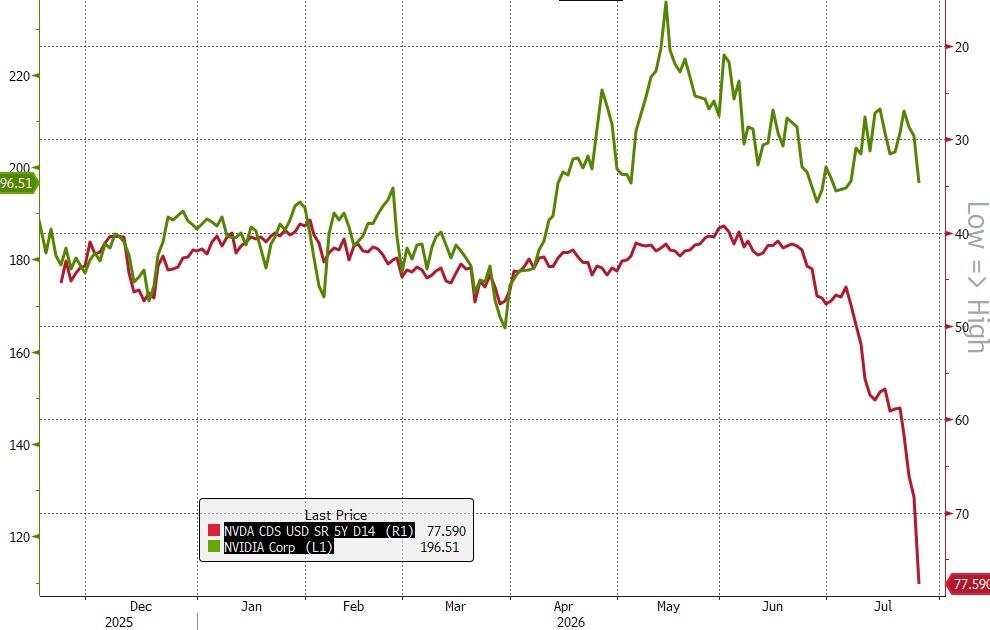
But since then, the divergence has been dramatic (and NVDA's share price is starting to show it)...
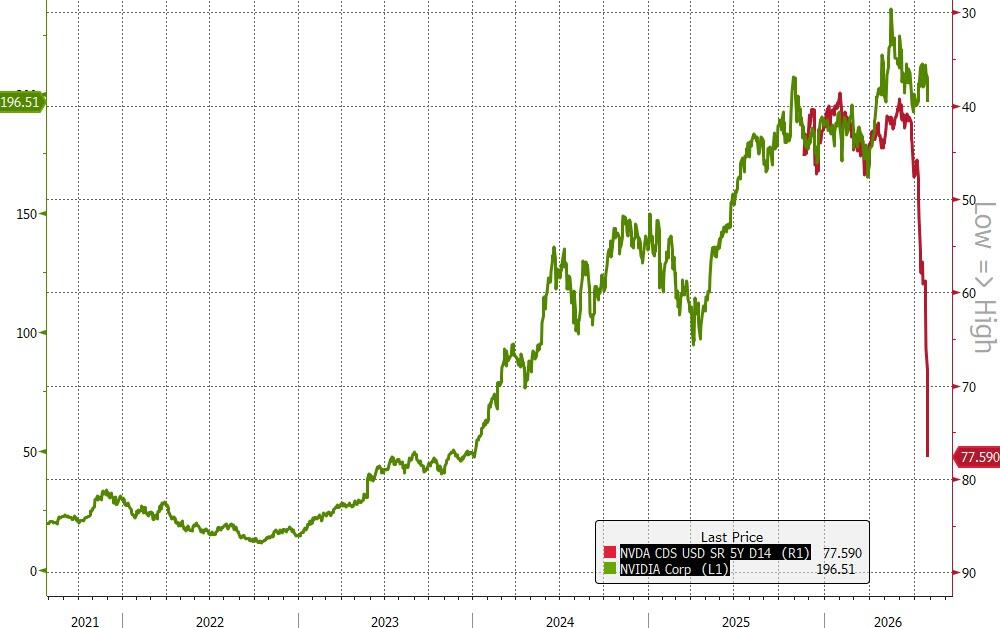
While NVDA's stock is 'off the highs' NVDA's credit risk is signaling something considerably worse and there are big tests ahead this week for Nvidia and the broader AI trade.
Hyperscalers Microsoft, Meta, and Amazon are set to report earnings across a two-day period. Investors will be closely watching their CapEx guidance, having proven sensitive to heavy spending in recent months. (Just ask Alphabet how their capex forecast was received last week.)
Tyler Durden Tue, 07/28/2026 - 08:45
Continue reading...
[ H/T ZeroHedge ]