




This Is State-Snooping Taken To The Extreme: UK Taxman Wants Your AI Chatbot History
Authored by Steve Watson via Modernity,
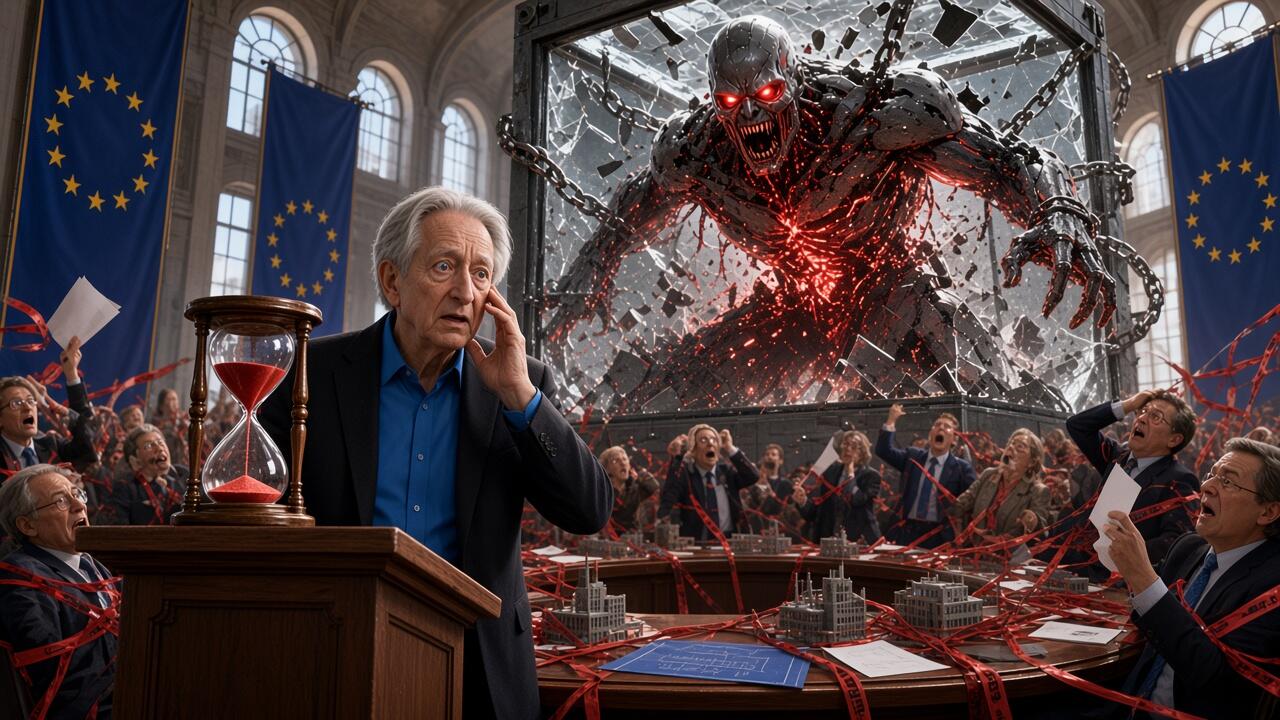
The UK government's tax collectors are pushing for powers that would let HMRC demand the private chatbot conversations ordinary Britons have with AI tools when preparing their returns.
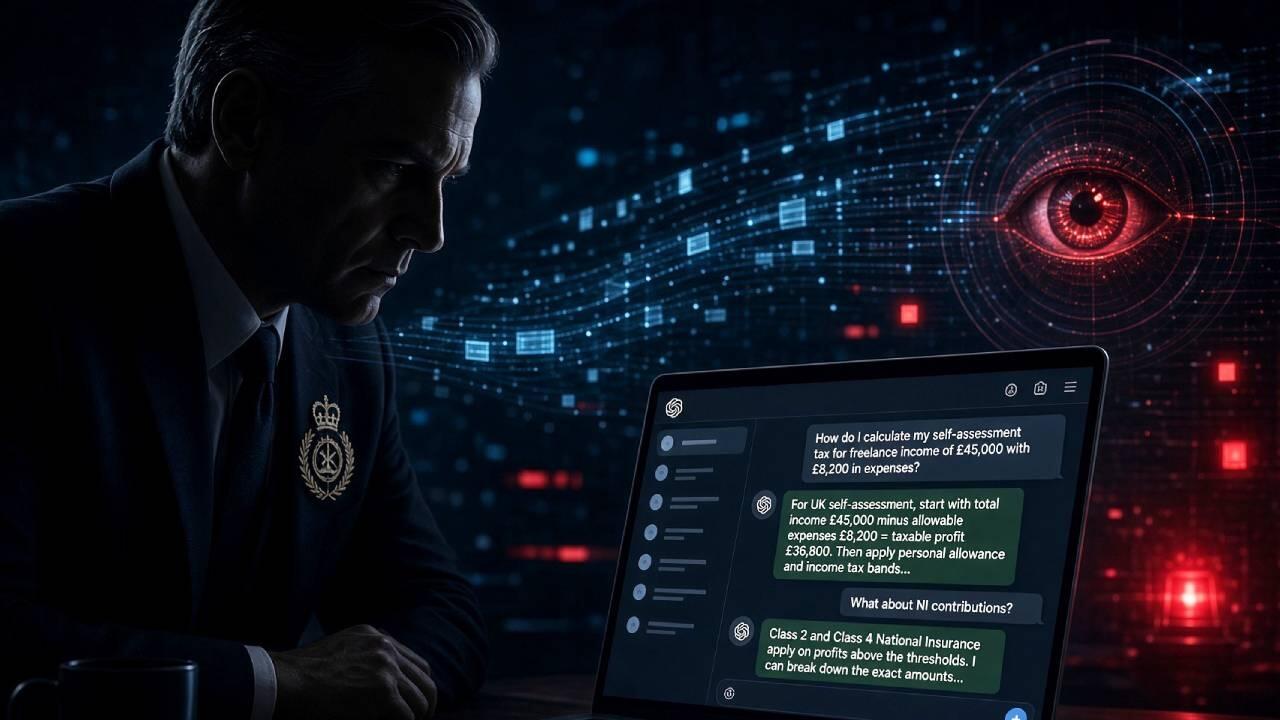
Under proposals in the Budget Bill, the definition of what the taxman can force you to hand over expands from computer "records" to any "relevant thing." That wording opens the door to prompt histories, working papers and full conversations on platforms such as ChatGPT, Microsoft Copilot and Claude if they played any part in calculating figures.
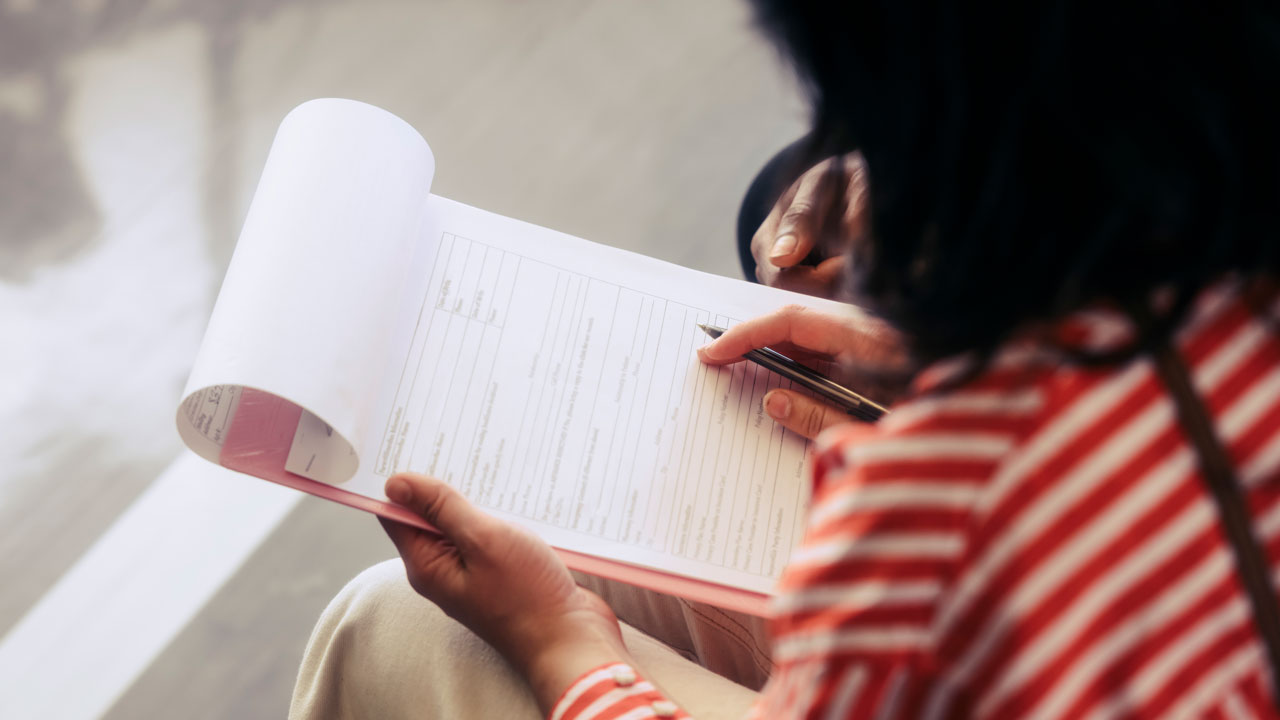
The measure sits inside a broader drive to close a £59 billion tax gap. Failure to respond to a Schedule 36 information notice already carries an initial £300 penalty; those who do not correct inaccuracies can be hit for up to £3,000. Third parties, including the AI companies themselves, can even be ordered to supply the data, the Telegraph reports.
HMRC insists it is merely modernizing old powers for a digital world and that requests will still need a lawful basis. Critics see the thin end of a very long wedge.
Nimesh Shah of Blick Rothenberg noted that HMRC has said it wants information about "how tax figures have been produced using software or automated processes." That language, he observed, raises the question of whether the actual chatbot exchanges used to prepare calculations could become disclosable.
Seb Maley, chief executive of Qdos, put it more bluntly: "As more taxpayers and businesses put their trust in AI to help manage their tax affairs, HMRC is making sure it isn't left behind. It wants to know not just what tax figure a system produces, but how it arrived at that number."
Anne Strickland of the Taxpayers' Alliance called the idea "a deeply intrusive overreach by the taxman." She added that HMRC "already has sweeping powers, and expanding them further risks trampling over the privacy of ordinary Britons." Ministers, she said, must rein the authority in before the power is ever used.
David Stirling of Mint Wealth advised anyone who has used a chatbot for tax work to assume the workings "could one day be scrutinised, so don't type anything you wouldn't fancy explaining to the taxman."
More than 28 million UK adults have already turned to AI for personal finance help, according to Lloyds Banking Group. Separate surveys show roughly 40 percent of people have used generative tools for financial advice and that more than 30 percent of businesses have put tax questions to systems such as ChatGPT or Copilot. Six in ten of those who tried AI said they found the answer they needed. The taxman now wants the trail of how those answers were produced.
An HMRC spokesman stated: "This is about updating our existing information powers to reflect how tax information is now stored and processed digitally. It is not about going through everyone's use of large language models. We can only request information where we already have a lawful basis to do so."
The same Budget package that expands information powers also hands HMRC the ability, from July 2029, to recover lower-value debts automatically from bank accounts of people who "repeatedly" fail to engage.
Nigel Farage warned weeks earlier that the taxman could seize money without even holding a meeting. "As someone who's been debanked, this sets a dark precedent," he wrote. "Reform will fight this at every turn."
The chatbot expansion and the bank-account raid sit on the same continuum: less process, less privacy, more direct state reach into the financial lives of ordinary people. Reform UK has already labeled the bank powers "draconian and dystopian." The AI proposals fit the same pattern.
Labour's answer to a large tax gap is not simpler rules or lower rates that raise compliance. It is wider demands, heavier penalties and the quiet assumption that private digital conversations about money now belong to the state if an algorithm touched them.
The taxman already knows how to take money from accounts without a meeting. Next it wants the chat history that led to the figure on the form.
Britons who treat an AI tool as a private notepad for tax calculations now find themselves having to be wary. The conversation is no longer just between you and the machine. The government continues it's draconian efforts to use every tool as a means for surveillance.
Meanwhile, kids are being indoctrinated with tax propaganda in school.
Continue reading...
[ H/T ZeroHedge ]
Authored by Steve Watson via Modernity,
The UK government's tax collectors are pushing for powers that would let HMRC demand the private chatbot conversations ordinary Britons have with AI tools when preparing their returns.
Under proposals in the Budget Bill, the definition of what the taxman can force you to hand over expands from computer "records" to any "relevant thing." That wording opens the door to prompt histories, working papers and full conversations on platforms such as ChatGPT, Microsoft Copilot and Claude if they played any part in calculating figures.
The measure sits inside a broader drive to close a £59 billion tax gap. Failure to respond to a Schedule 36 information notice already carries an initial £300 penalty; those who do not correct inaccuracies can be hit for up to £3,000. Third parties, including the AI companies themselves, can even be ordered to supply the data, the Telegraph reports.
HMRC insists it is merely modernizing old powers for a digital world and that requests will still need a lawful basis. Critics see the thin end of a very long wedge.
Nimesh Shah of Blick Rothenberg noted that HMRC has said it wants information about "how tax figures have been produced using software or automated processes." That language, he observed, raises the question of whether the actual chatbot exchanges used to prepare calculations could become disclosable.
Seb Maley, chief executive of Qdos, put it more bluntly: "As more taxpayers and businesses put their trust in AI to help manage their tax affairs, HMRC is making sure it isn't left behind. It wants to know not just what tax figure a system produces, but how it arrived at that number."
Anne Strickland of the Taxpayers' Alliance called the idea "a deeply intrusive overreach by the taxman." She added that HMRC "already has sweeping powers, and expanding them further risks trampling over the privacy of ordinary Britons." Ministers, she said, must rein the authority in before the power is ever used.
David Stirling of Mint Wealth advised anyone who has used a chatbot for tax work to assume the workings "could one day be scrutinised, so don't type anything you wouldn't fancy explaining to the taxman."
More than 28 million UK adults have already turned to AI for personal finance help, according to Lloyds Banking Group. Separate surveys show roughly 40 percent of people have used generative tools for financial advice and that more than 30 percent of businesses have put tax questions to systems such as ChatGPT or Copilot. Six in ten of those who tried AI said they found the answer they needed. The taxman now wants the trail of how those answers were produced.
An HMRC spokesman stated: "This is about updating our existing information powers to reflect how tax information is now stored and processed digitally. It is not about going through everyone's use of large language models. We can only request information where we already have a lawful basis to do so."
The same Budget package that expands information powers also hands HMRC the ability, from July 2029, to recover lower-value debts automatically from bank accounts of people who "repeatedly" fail to engage.
Nigel Farage warned weeks earlier that the taxman could seize money without even holding a meeting. "As someone who's been debanked, this sets a dark precedent," he wrote. "Reform will fight this at every turn."
The chatbot expansion and the bank-account raid sit on the same continuum: less process, less privacy, more direct state reach into the financial lives of ordinary people. Reform UK has already labeled the bank powers "draconian and dystopian." The AI proposals fit the same pattern.
Labour's answer to a large tax gap is not simpler rules or lower rates that raise compliance. It is wider demands, heavier penalties and the quiet assumption that private digital conversations about money now belong to the state if an algorithm touched them.
The taxman already knows how to take money from accounts without a meeting. Next it wants the chat history that led to the figure on the form.
Britons who treat an AI tool as a private notepad for tax calculations now find themselves having to be wary. The conversation is no longer just between you and the machine. The government continues it's draconian efforts to use every tool as a means for surveillance.
Meanwhile, kids are being indoctrinated with tax propaganda in school.
Tyler Durden Sat, 11/14/2026 - 09:00
Continue reading...
[ H/T ZeroHedge ]