


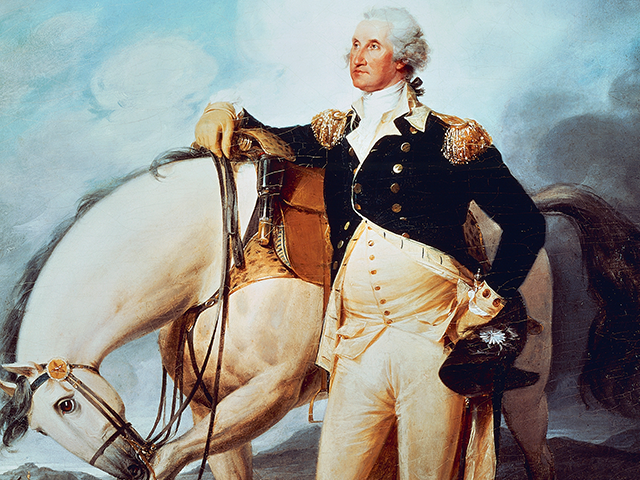


In September 1863, with the Civil War raging, a 74-year-old widow asked President Abraham Lincoln for “a few minutes of your precious time.” Sarah Josepha Hale had been campaigning for a national Thanksgiving for decades. Four presidents had failed to act on her request. She was willing to try a fifth.
Hale was a writer and editor from New Hampshire, a mother of five, and the author of the children's poem “Mary Had a Little Lamb.” What she wanted was simple: one day each year when Americans everywhere would set aside their differences and give thanks together.
Let’s follow Hale’s example: choose a cause worth our effort, keep working toward the next election, and don’t disappear if the first attempt falls short.
Born in Newport, New Hampshire, in 1788, Hale lost her husband in 1822. She supported her family through her writing, published the novel “Northwood” in 1827, and became editor of a Boston women's magazine in 1828. She later took charge of the influential “Godey’s Lady's Book,” which gave her a national audience.
Thanksgiving was already celebrated in many parts of the country, especially New England, but there was no annual national observance. Some states chose different dates; others celebrated it not at all. Hale began advocating a common Thanksgiving in the 1820s and, in 1846, launched a sustained letter-writing campaign to governors, members of Congress, and presidents. She wanted what she called a national and fixed “Union Festival.”
She wrote to Zachary Taylor, Millard Fillmore, Franklin Pierce, and James Buchanan. None responded. She kept writing anyway, using her magazine and her correspondence to build support for the idea.
Then came 1863. The country was bleeding from the Civil War. The Battle of Gettysburg had killed or wounded tens of thousands only months earlier. On September 28, Hale wrote Lincoln, identifying herself as the “Editress of the ‘Lady’s Book.’” She explained that she had spent years urging governors to celebrate Thanksgiving on the same day and asked the president to give the observance national standing.
Five days later, on October 3, Lincoln proclaimed the last Thursday of November a day of “Thanksgiving and Praise to our beneficent Father who dwelleth in the Heavens.” He called on Americans to remember the war's “widows, orphans, mourners or sufferers” and pray that God would “heal the wounds of the nation.”
Congress eventually fixed Thanksgiving on the fourth Thursday of November in 1941. But Lincoln’s proclamation established the annual national tradition that Hale had spent so many years pursuing.
RELATED: Can the Smithsonian be saved?
I come from the world of media and newsrooms, so Hale's story hits close to home. She knew the value of getting the right words to the right people. More importantly, she understood that you only get to have that moment of impact if you’re still in the fight when it arrives.
That is a lesson for the volunteers in the America First movement who have spent this year staffing tables, making calls, and knocking on doors. A rally can fill an arena. A viral video can get attention for a day. But organizing is often less glamorous: another unanswered door, another difficult conversation, another weekend spent talking with neighbors.
I’ve watched Citizens Alliance volunteers, young and old, put in that work through summer heat and autumn rain. Many people didn’t answer. Others said no. The volunteers moved to the next door anyway. No one can guarantee that persistence will produce a victory, but giving up guarantees that the next conversation never happens.
RELATED: Yet, I remain grateful — for more than politics can touch
Hale could not vote. She had no political action committee, television ads, or social media following. She had a pen, a public platform, a cause she believed in, and a remarkable capacity to keep asking. Her success didn’t come from a spectacular moment of political excitement. It came from years of work that made one moment possible.
This Thanksgiving, I’m grateful for the volunteers, neighbors, and families who have carried one another through a difficult year. Let’s follow Hale’s example: choose a cause worth our effort, keep working toward the next election, and don't disappear if the first attempt falls short.
Four presidents turned down a widow from New Hampshire. The fifth gave us Thanksgiving. Don't quit at four.
Continue reading...
[H/T Blaze Media]


