




Summary
- Thanksgiving is not merely a holiday but an act of worship and obedience.
- Americans should resist efforts to replace gratitude with grievance and resentment.
- Thanksgiving should move Christians to serve their neighbors and proclaim Jesus Christ.
Thanksgiving is not a vibe, an autumn aesthetic, a well-decorated table, or a warm feeling somewhere between the turkey and the football game. Thanksgiving is an act of worship and obedience. For Christians, it ought to send us back into the world with something more substantive than leftovers.
We have received the goodness of God. Jesus Christ has already come into the world to save sinners like you and me. Our responsibility is to acknowledge Him, teach our children, and make His goodness known. God has not blessed us merely to make us comfortable. His gifts equip us to serve Him and others.
That is why Thanksgiving matters and why we should resist efforts to replace gratitude with the grievance so common in our nation today.
Alongside Christmas and Easter, Thanksgiving deserves a treasured place in the annual life of Christian families and churches. It is not a biblical feast or an observance of Christ’s birth or resurrection. But its central command is thoroughly biblical: Give thanks to God.
Christmas announces the gift of our Savior. Easter proclaims His victory over death. Thanksgiving calls us to acknowledge the Giver and respond to His grace.
Scripture does not say to give thanks when the election goes our way, when the medical report is good, or when every chair around the table is occupied. It says, “In every thing give thanks: for this is the will of God in Christ Jesus concerning you” (1 Thessalonians 5:18).
God’s goodness is not determined by our circumstances. Neither should our gratitude be.
That conviction runs deep in our national history.
The Mayflower Compact identified “the Glory of God, and Advancement of the Christian Faith” among the purposes of the Pilgrims’ voyage. Edward Winslow’s account of the 1621 harvest gathering acknowledged that their provision came “by the goodness of God.” These were not people who imagined themselves independent of heaven.
Nor did that understanding disappear when our constitutional republic began. George Washington’s 1789 Thanksgiving proclamation declared it “the duty of all Nations to acknowledge the providence of Almighty God.” He called for gratitude for civil and religious liberty, and prayer for forgiveness of national transgressions.
Thanksgiving was never supposed to mean that America had nothing to repent of. It meant America had only God to thank for every blessing.
Abraham Lincoln understood the distinction. During the Civil War, his 1863 proclamation called Americans to thanksgiving while also urging “humble penitence for our national perverseness and disobedience.” Gratitude and repentance belonged in the same proclamation because both belonged before the same God.
Yet today, we face what I would call a war on Thanksgiving. It does not require Congress to erase the holiday from the calendar. Its meaning can be displaced while the day off remains.
Since 1970, social activist groups have worked hard to make Thanksgiving a National Day of Mourning. They associate the holiday with genocide, land theft, and cultural erasure. Many schools across the country have attempted to incorporate this rewrite of Thanksgiving into their teaching of American history.
Americans should always learn our shared history, including an honest accounting for any injustices without fabrication or exaggeration. But when historical instruction leaves America’s children believing any celebration itself is shameful, we have moved from honoring our tradition to cultivating contempt for it.
As with Christmas, we must defend more than familiar customs. We must defend the truth those customs are meant to carry. Thanksgiving without gratitude to God becomes just another consumerist holiday rather than an opportunity to worship and share the Gospel.
Defending Thanksgiving requires that Christians practice what we want our nation to preserve.
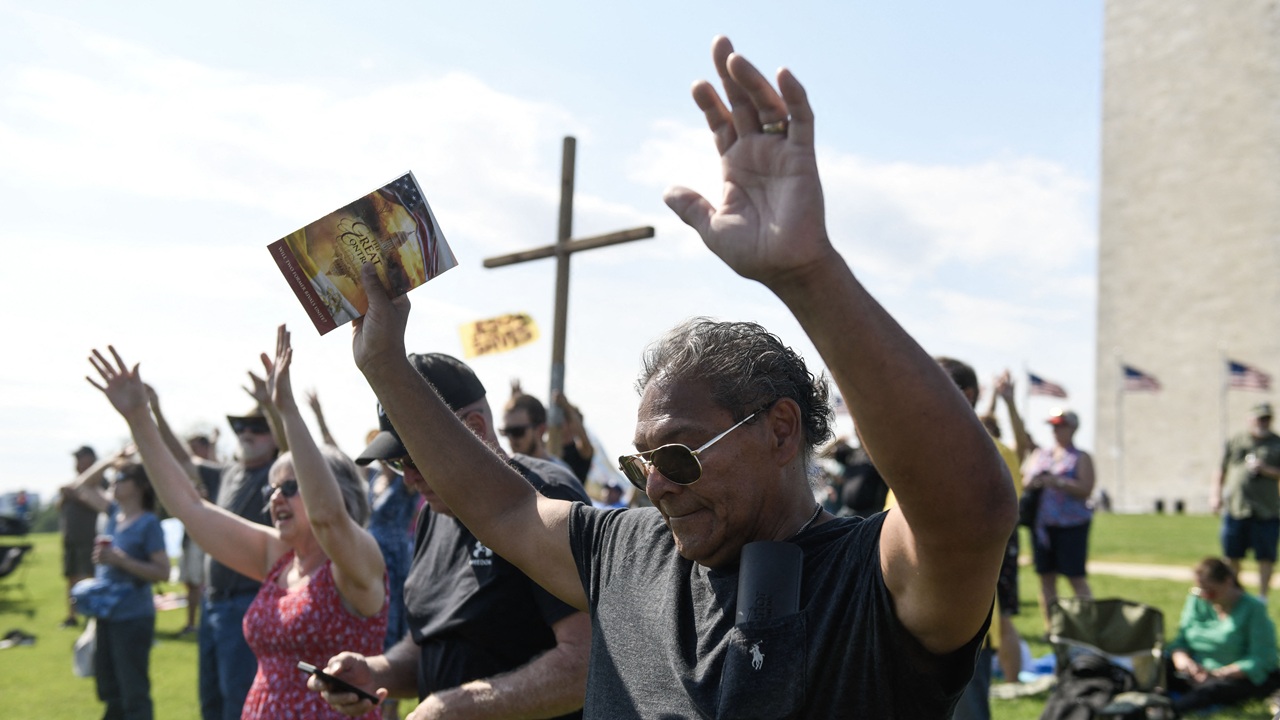
We should be thankful, faithful, and useful: thankful for God’s goodness, faithful with what He has entrusted to us, and useful in serving others and making Jesus Christ known. Thanksgiving is not complete when we merely count our blessings. Those blessings should move us to action.
Tell God you are thankful. Tell your children why. Gather with your church. Open the Scriptures. Remember the blessings you could never have purchased and the salvation you could never have earned.
Paul connects generosity and thanksgiving in 2 Corinthians 9. God supplies what we need for good works, and our giving meets the needs of others while producing thanksgiving to Him. Our blessings are not merely possessions to enjoy. They are resources entrusted to us for His purposes.
Set another place for someone who would otherwise eat alone. Help a struggling family. Invite someone to church. Let someone else have a reason to thank God because you put His gifts to work.
Above all, tell a neighbor what Jesus Christ has done for you. The greatest gift we have received is not something on our table. It is salvation through God’s Son. The Great Commission does not take a holiday. If we are grateful for the gospel, we should be eager to share it.
That is the burden behind the renewed Great Commission effort I have asked Southern Baptists to pursue: engaging people across our country and unreached peoples around the world with the gospel. Gratitude for grace should move us toward those who have not heard.
America does not need less Thanksgiving. We need more of what Thanksgiving requires: humility before God, honest remembrance, generous hearts, and spoken praise.
We should not surrender this national holiday to those who would make resentment its defining message. Neither should we empty it ourselves by reducing it to food and cheap sentiment.
Teach the history. Thank the Lord. Serve your neighbor. Proclaim the truth of Jesus Christ.
Thanksgiving is a mission.
We publish a variety of perspectives. Nothing written here is to be construed as representing the views of the Daily Signal.
Continue reading...
[ H/T The Daily Signal ]