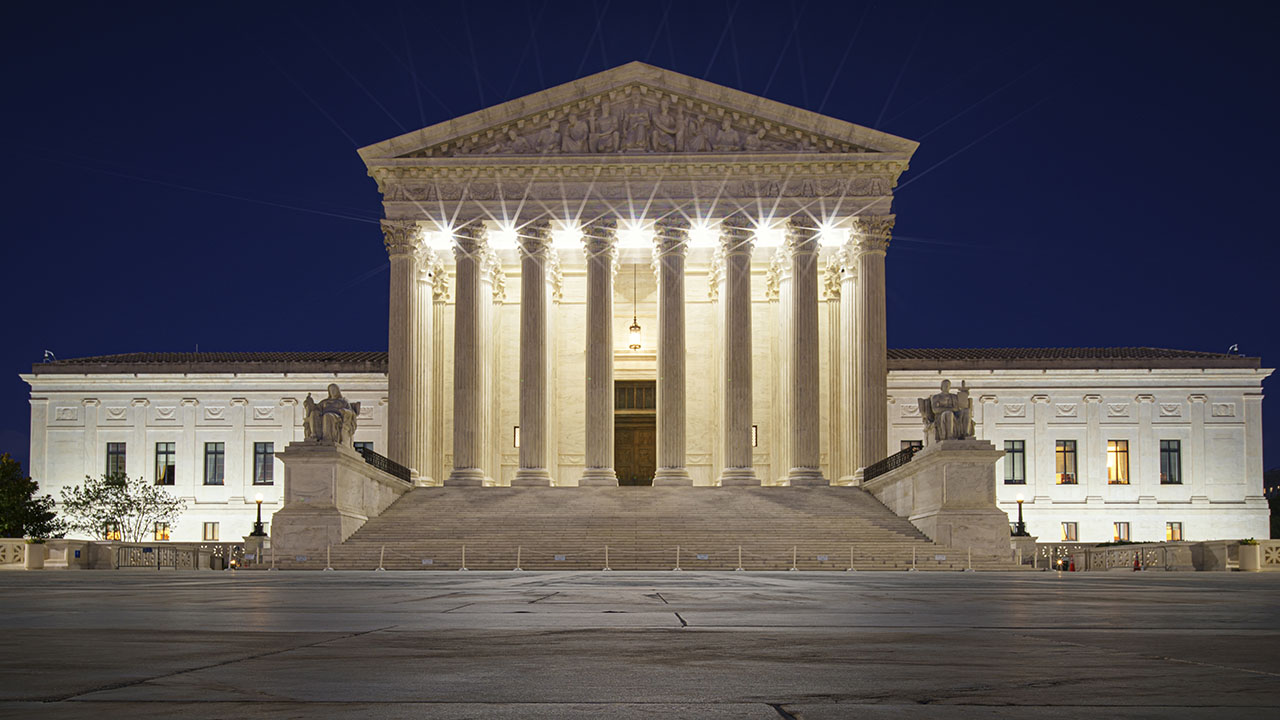




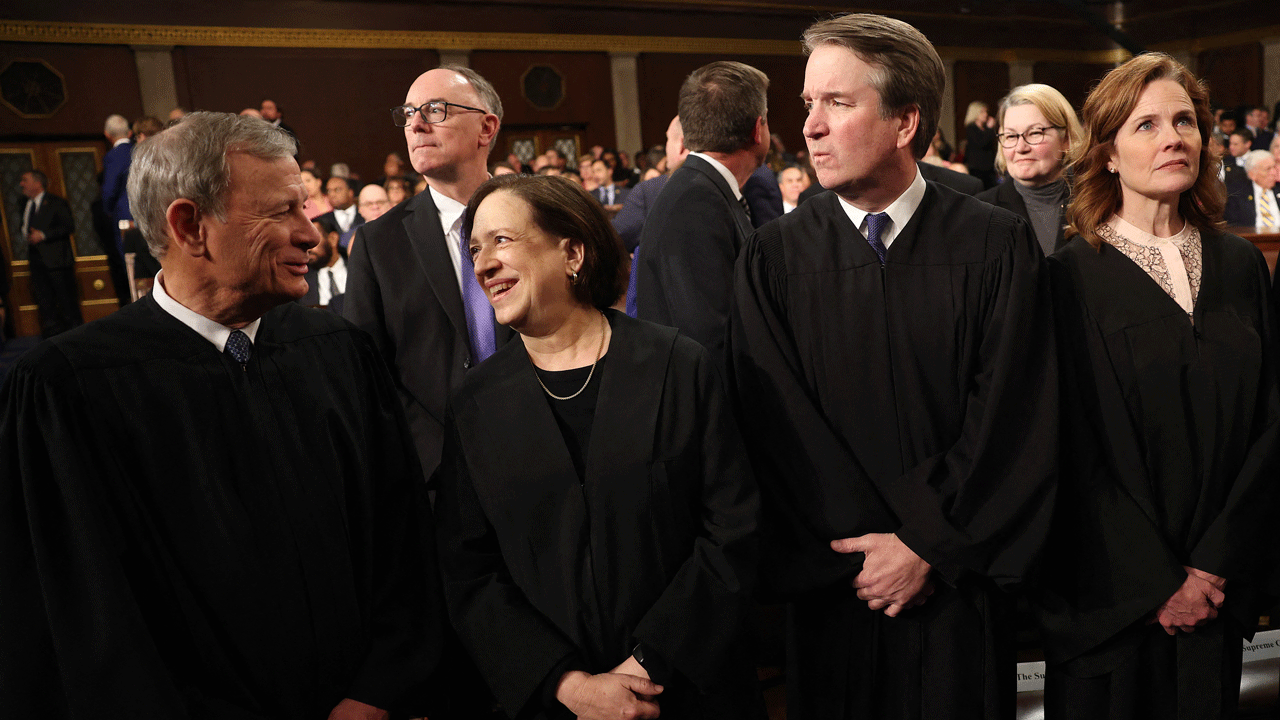
The Ten Commandments, the deep state, detention of illegal immigrants, and more Second Amendment questions could be on the Supreme Court’s docket early next year, as justices gather this week to determine what cases make the cut.
Justices first met Monday for what is called a “long conference” to sift through cases submitted over the summer and decide whether to hear oral arguments.
The high court hears arguments in only about 1% of the cases that are filed each term. The court is expected to release an order list no later than next Monday, when the first oral arguments of the 2026-2027 term begin.
Here are five big topics the high court is considering taking up.
1. Commandments and the Classroom
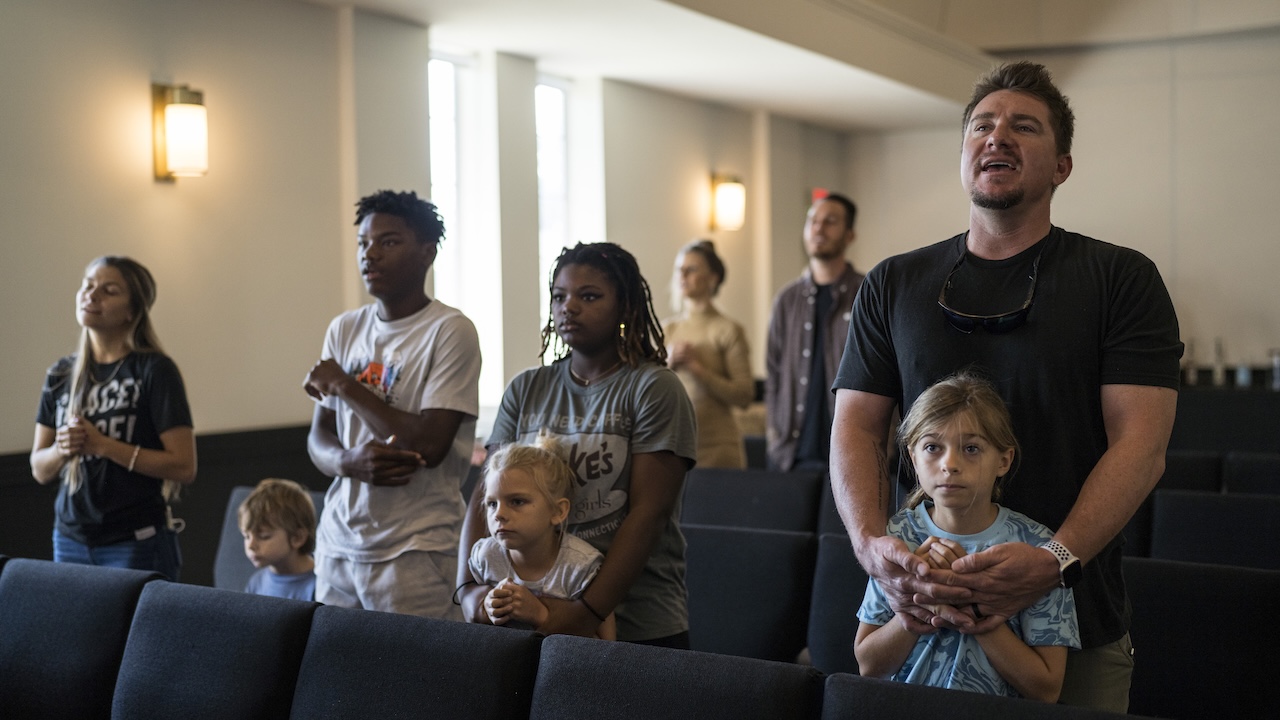
One of the big cases comes out of Texas, where justices will consider hearing arguments on whether the state can require the display of the Ten Commandments in schools.
“It’s just the text of the Ten Commandments with no commentary, but challengers say it is a constitutional violation,” Zack Smith, a senior legal fellow at The Heritage Foundation, said.
The U.S. 5th Circuit Court of Appeals held in the case of Nathan v. Alamo Heights Independent School District that the law did not violate the Establishment Clause of the Constitution.
“The high court could decide when and whether the Ten Commandments can be displayed,” Smith said. “There were a number of rulings during the Warren Court based on a misguided view of the Establishment Clause. So, this is ripe for review.”
2. Deep State Cases
In the last session, the court overturned the Humphrey’s Executor precedent in a major step allowing the Trump administration to rein in the bureaucracy. Nevertheless, in the case of Wilcox v. Trump, the D.C. Circuit Court of Appeals sided with Gwynne Wilcox, who sued to overturn her removal from the National Labor Relations Board.
This is part of a continuing legal battle over presidential control of the federal bureaucracy, and whether boards and commissions can be independent of the executive branch. In the previous case, the high court upheld Trump’s authority to remove a member of the Federal Trade Commission.
“I would think the FTC case in the Humphrey’s Executor case would take care of this question,” Smith said.
He said the justices might issue a grant, vacate, and remand decision, which would send the case back to the appeals court noting existing Supreme Court precedent.
The trend has moved toward recognizing the power of an elected president to run the executive branch, said Paul Kamenar, chief counsel for the National Legal and Policy Center, a watchdog group, which has flagged concerns about an unaccountable federal bureaucracy.
“There are still a lot of loose threads on presidential power, but the direction has been for the president to fire at will,” Kamenar told the Daily Signal. “The exception was the Federal Reserve in the Lisa Cook case. The court seems to lean toward a unitary executive and presidential power. The exception with the Fed is logical. Board members are presidential appointees. But the Fed is not taxpayer-funded, and it is not really engaged in executive branch action.”
Another case that could determine the president’s control over the executive branch is U.S. v. Jackson. The court could consider whether someone appointed first assistant after a vacancy becomes acting U.S. attorney, or if the attorney general can delegate the office’s duties.
The dispute arose in Nevada after the resignation of U.S. Attorney Jason Frierson. The Trump administration designated Sigal Chattah as acting U.S. attorney. However, defendants in a case sued, claiming Chattah could not supervise the prosecutions. The U.S. 9th Circuit upheld a lower court’s disqualification in August.
This could be a more complicated matter, Kamenar said. The NLPC has litigated over the appointment of what’s known as an “inferior officer,” or a non-Senate-confirmed appointee in a prosecutorial role.
He noted the Federal Vacancies Reform Act of 1998 has limits on who can be appointed to an acting role, which is generally the first assistant, another Senate-confirmed official, or a senior agency employee.
“That is a difficult legal issue. Presidents can appoint and fire any U.S. attorney, but appointment of acting officials gets into the Vacancies Act,” Kamenar said
3. Election Integrity
A Hawaii law presents another potential opportunity for the court to weigh in on election integrity in Public Interest Legal Foundation v. Nago. The case could determine if states must provide access to voter-registration records under the National Voter Registration Act. It could affect how much access election-integrity organizations have to state voter-registration information.
The National Voter Registration Act requires states to maintain voter lists to ensure that people who have moved away from a jurisdiction or have died are no longer listed.
The plaintiffs requested a copy of the statewide voter roll in April of 2023. Hawaii has argued the requests should go to individual counties. The state denied access under a Hawaii law that does not allow access to the voter roll unless it is for an election or government purpose. PILF contends this conflicts with the NVRA.
PILF is an election watchdog group. Other groups that filed amicus briefs in the case were the Honest Elections Project, the Center for Election Confidence, and Judicial Watch.
4. Illegal Immigration
On the immigration front, the case of Kenneth Genalo, Director of the New York Field Office of ICE, et al. v. District of Columbia deals with detention and bond hearings. The question is about how long the federal government can detain certain illegal immigrants with criminal histories while their removal proceedings are pending.
The high court granted review of a similar case out of New York, but Democrat Gov. Kathy Hochul pardoned the suspect, making it a moot case, and it was removed from the docket. The case could establish a nationwide constitutional rule for prolonged detention of certain noncitizens during removal proceedings.
“If an individual can’t be held, it would interfere with the president’s immigration enforcement,” Smith said. “This matter would have been decided in another case, but Gov. Hochul intervened.”
5. More Second Amendment Challenges
Several Second Amendment cases are under consideration. This includes Novotny v. Moore over Maryland’s restrictions on carrying firearms in numerous public places. The U.S. 4th Circuit upheld the Maryland gun restrictions. The court will consider the question of whether states can prohibit otherwise lawful gun carrying in certain locations.
Similarly, the case of Duncan v. Bonta out of California challenges California’s ban on high-capacity magazines holding more than 10 rounds of ammunition. The U.S. 9th Circuit upheld California’s law. However, the U.S. 3rd Circuit struck down New Jersey’s similar ban. Given the circuit split, the Supreme Court is far more likely to take a case. Washington state has a similar law.
Kamenar, of the NLPC, anticipates that if the Supreme Court takes these or other gun rights cases, it will continue its existing trend.
“The court is looking more favorably on the Second Amendment,” Kamenar said. “Last session in a case involving purchase of a firearm by someone using marijuana, the court decided there is really no connection with violent crime.
Continue reading...
[ H/T The Daily Signal ]