
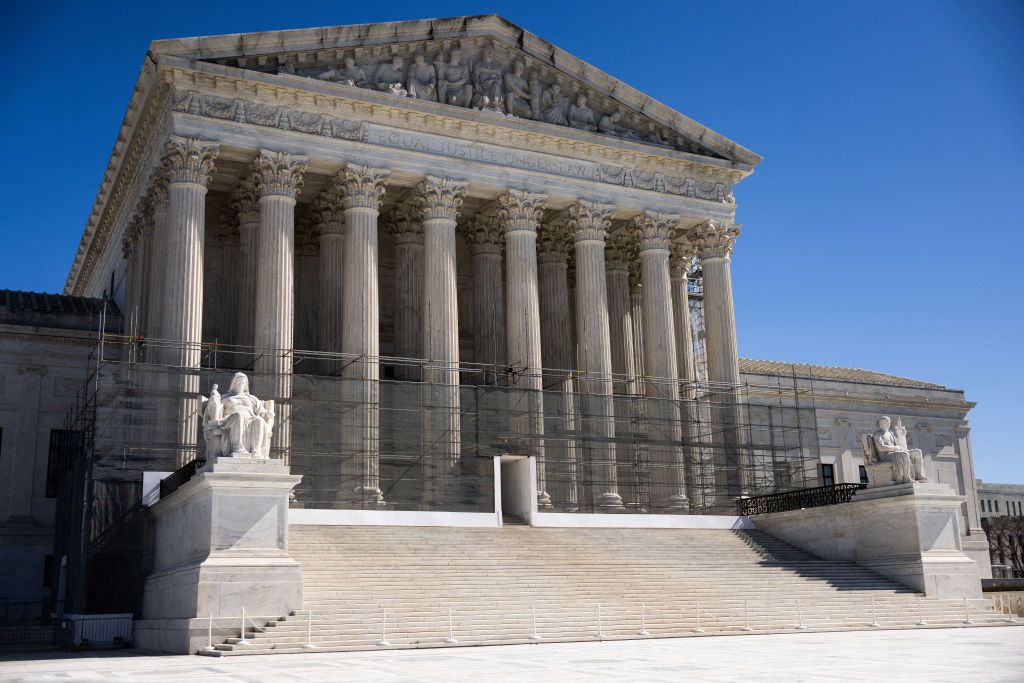


The Supreme Court announced Thursday it will consider a case on the detention of illegal immigrants, as well as a case touching on religious liberty.
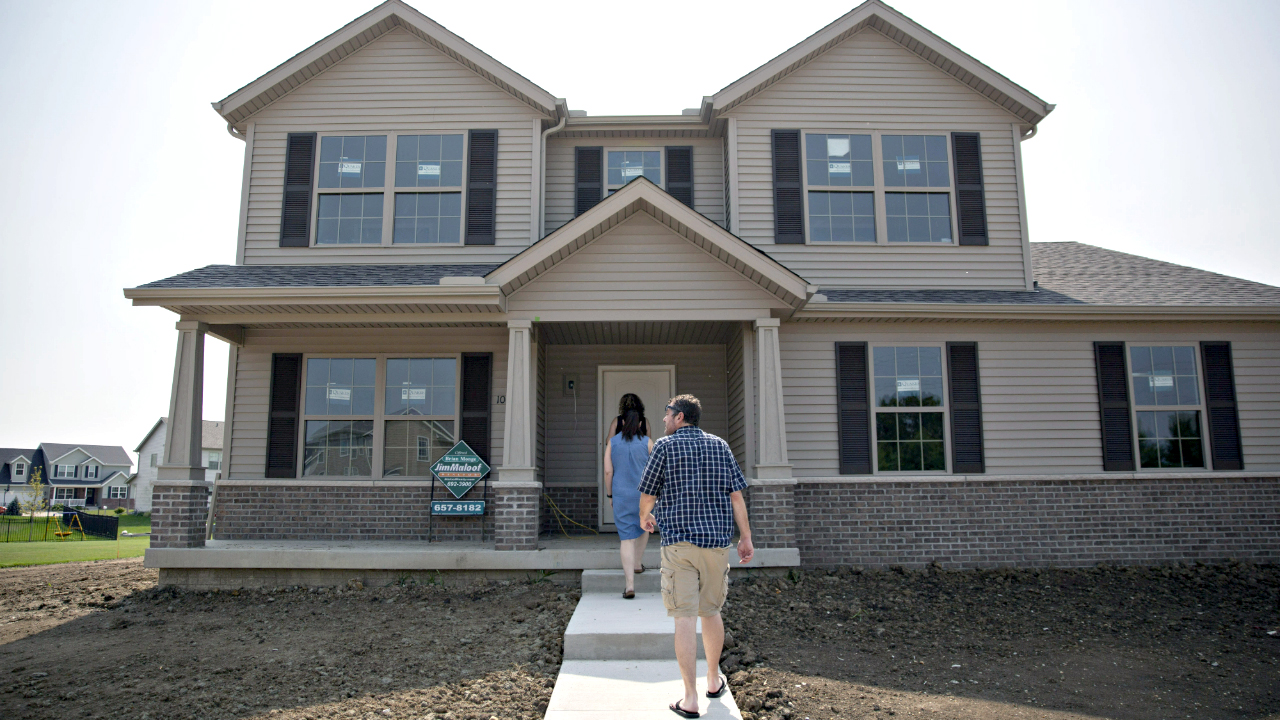
In the case of Rhoney v. Barbosa da Cunha, justices will decide whether federal law requires the detention of illegal aliens pending their removal proceedings.
The Trump administration targets illegal immigrants for removal even if they have lived in the United States for several years. The question has led to a circuit split, as two U.S. appeals courts sided with the administration in allowing detention without bond, while nine other appeals courts determined immigrants must have bond hearings, CBS News reported.
Previously, immigrants who lived in the United States for several years were eligible for a bond hearing on the basis that they were not a flight risk. In 2025, Immigration and Customs Enforcement altered the detention rules.
The court announced it would also hear the case of Missionaries of Saint John the Baptist, Inc. v. Frederic.
The question in the case is whether a local land-use regulation that prohibits a religious institution from building a religious structure on its own property constitutes a “substantial burden” on religious exercise under the substantial burden provision of the Religious Land Use and Institutionalized Persons Act, on which lower courts have been divided since Congress passed the law in 2000.
Missionaries of Saint John the Baptist seeks to build a shrine and surrounding plaza, walking path, and retaining wall on its grounds in Park Hills, Kentucky.
The church applied to the city for a permit in March 2021, since the neighborhood is zoned for single-family and two-family residential use, according to SCOTUSblog.
The Park Hills Board of Adjustment approved the permit, but residents who live near the church, Joel and Elizabeth Frederic, challenged that decision in state court. They asserted it would increase traffic on the road.
The church asserted that, if the board had denied the permit, the decision would violate the Religious Land Use and Institutionalized Persons Act. The law prohibits government officials from imposing or implementing rules for land use that substantially interfere with religious practice absent a compelling reason.
Government officials are also prohibited from treating religious individuals or organizations less favorably than nonreligious individuals or organizations.
The case worked its way up to the Kentucky Supreme Court, which held that the local board exceeded its authority in approving the permit and that enforcing the zoning laws would not violate the federal religious protection law.
Justices are meeting this week in conference to decide what cases they will hear. The calendar is set for October, November, and December.
Continue reading...
[ H/T The Daily Signal ]