






Saudi, Turkish, Pakistani Military Chiefs To Hold Urgent Meeting Over Yemen War
Saudi, Turkish and Pakistani army heads are set to urgent talks on the Yemen crisis. Crucially, these countries represent signatories to the Mecca Defense Pact, which vows mutual defense in the instance that any member is attacked.
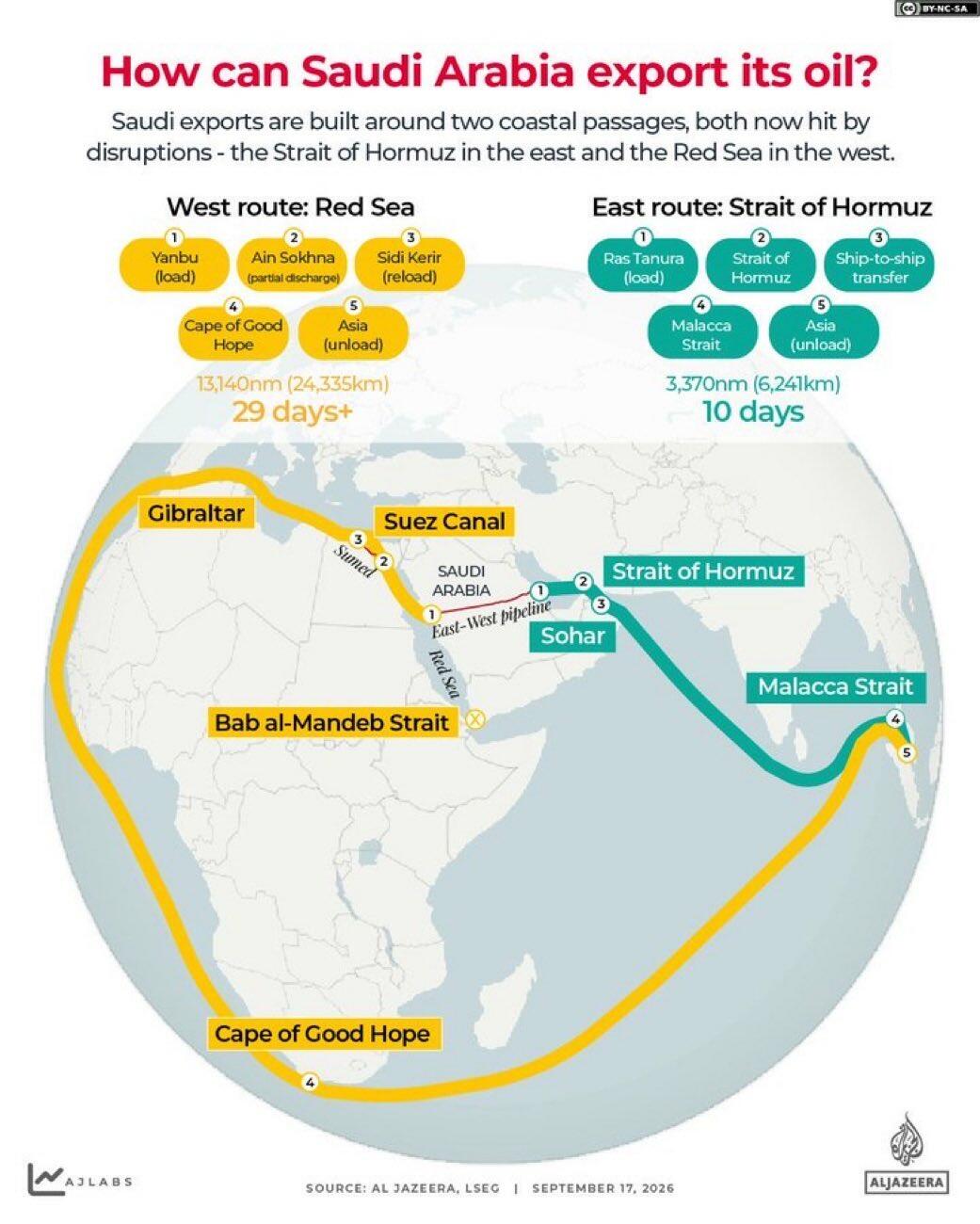
Of course, the Iran-aligned Houthis have been semi-frequently targeting the Saudi kingdom's territory, gong after oil export infrastructure as well as fuel storage sites, with ballistic missiles even targeting the capital of Riyadh this month, which marked a first.
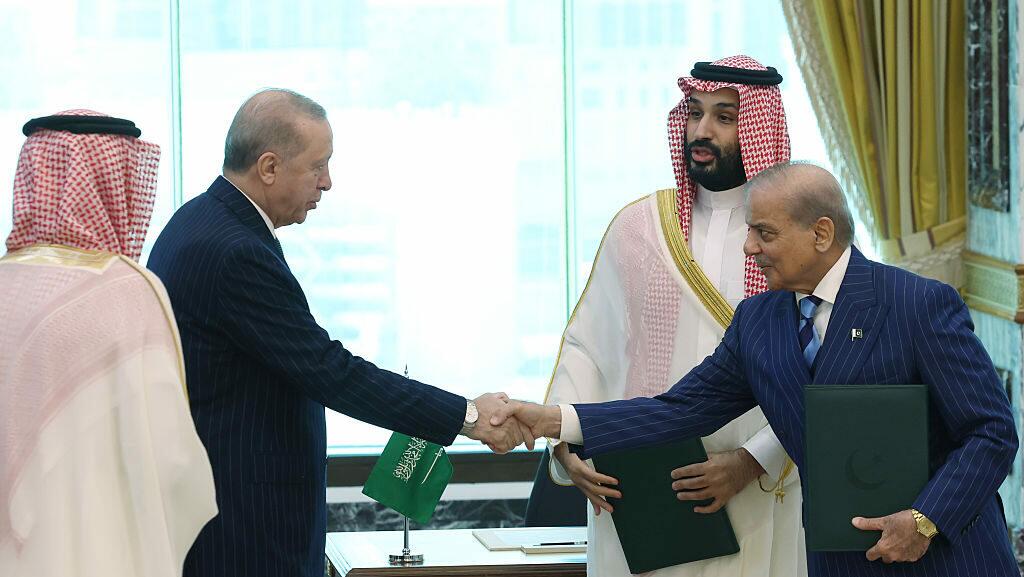
Anadolu/Getty Images
Ahead of the meeting of defense chiefs, Saudi Foreign Minister Prince Faisal bin Farhan and Pakistan’s Deputy Prime Minister and Turkish Foreign Minister Mohammad Ishaq Dar gathered in New York on the sidelines of the UN General Assembly to discuss developments.
They have been closely monitoring developments in Yemen, after the Saudi-backed coalition based out of Sanaa has lost the Red Sea coast area.
"The three ministers strongly condemned recent attacks targeting Mecca, as well as civilian and economic facilities in Saudi Arabia, and reaffirmed the Kingdom’s right to take appropriate measures to defend its security under Article 51 of the UN Charter," Al Arabiya reports.
"They also discussed arrangements for the urgent meeting of their countries’ chiefs of staff, which will examine ways to support Saudi Arabia under the defense pact," the report adds.
As for the Houthis, who now have an even tighter grip on the fate of Red Sea shipping, as of Friday they are vowing not to attack European vessels.
However, the Yemeni rebels will still fire on Saudi ships or any Israeli-linked vessels, in accord with the ongoing 'siege for siege' strategy which has already been on for months.
Earlier this month, Pakistan threatened to trigger the young Mecca Defense Pact, but so far this has stopped at mere words. A regional analyst has explained to Al Jazeera why the Yemen crisis is 'tricky' and controversial for the alliance:
Pakistani Defense Minister Khawaja Asif has said previously that attacks on the kingdom "could trigger" the defense agreement.
"Under the trilateral agreement, any aggression against any of the three [countries] is regarded as an aggression against all. There is no ambiguity about that," the Pakistani minister told Geo News weeks ago.
The pact between Riyadh, Islamabad, and Ankara has been likened to NATO Article 5, where an attack on one is an 'attack on all'. These countries' own officials have in many cases advanced this interpretation.
Tyler Durden Sat, 09/26/2026 - 07:55
Continue reading...
[ H/T ZeroHedge ]
Saudi, Turkish and Pakistani army heads are set to urgent talks on the Yemen crisis. Crucially, these countries represent signatories to the Mecca Defense Pact, which vows mutual defense in the instance that any member is attacked.
Of course, the Iran-aligned Houthis have been semi-frequently targeting the Saudi kingdom's territory, gong after oil export infrastructure as well as fuel storage sites, with ballistic missiles even targeting the capital of Riyadh this month, which marked a first.
Anadolu/Getty Images
Ahead of the meeting of defense chiefs, Saudi Foreign Minister Prince Faisal bin Farhan and Pakistan’s Deputy Prime Minister and Turkish Foreign Minister Mohammad Ishaq Dar gathered in New York on the sidelines of the UN General Assembly to discuss developments.
They have been closely monitoring developments in Yemen, after the Saudi-backed coalition based out of Sanaa has lost the Red Sea coast area.
"The three ministers strongly condemned recent attacks targeting Mecca, as well as civilian and economic facilities in Saudi Arabia, and reaffirmed the Kingdom’s right to take appropriate measures to defend its security under Article 51 of the UN Charter," Al Arabiya reports.
"They also discussed arrangements for the urgent meeting of their countries’ chiefs of staff, which will examine ways to support Saudi Arabia under the defense pact," the report adds.
As for the Houthis, who now have an even tighter grip on the fate of Red Sea shipping, as of Friday they are vowing not to attack European vessels.
However, the Yemeni rebels will still fire on Saudi ships or any Israeli-linked vessels, in accord with the ongoing 'siege for siege' strategy which has already been on for months.
Earlier this month, Pakistan threatened to trigger the young Mecca Defense Pact, but so far this has stopped at mere words. A regional analyst has explained to Al Jazeera why the Yemen crisis is 'tricky' and controversial for the alliance:
Pakistani Defense Minister Khawaja Asif has said previously that attacks on the kingdom "could trigger" the defense agreement.
"Under the trilateral agreement, any aggression against any of the three [countries] is regarded as an aggression against all. There is no ambiguity about that," the Pakistani minister told Geo News weeks ago.
The pact between Riyadh, Islamabad, and Ankara has been likened to NATO Article 5, where an attack on one is an 'attack on all'. These countries' own officials have in many cases advanced this interpretation.
Tyler Durden Sat, 09/26/2026 - 07:55
Continue reading...
[ H/T ZeroHedge ]