
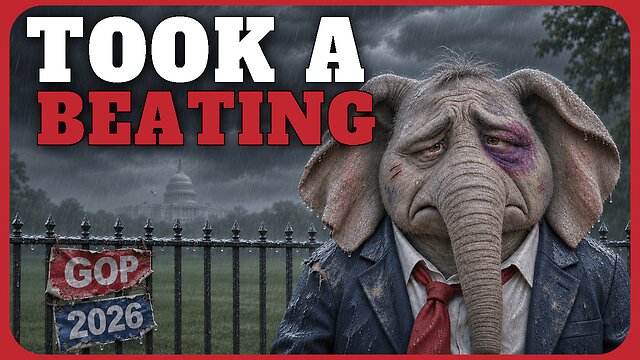



There is no sugar-coating it for Republicans and conservatives: Tuesday night was a disastrous result. Although some close races remain to be called, Democrats have regained control of both the House and the Senate, winning in many areas President Donald Trump carried easily just two years ago.
But while the inevitable finger-pointing has already begun, truthfully, the blame falls across the entire party and movement. In a midterm year defined by concerns about the country’s ever-rising cost of living, GOP candidates mostly failed to put forward a compelling case for how they planned to help people battered by inflation. In the end, it cost them the election.
That this year’s campaign would revolve around affordability issues was apparent for months, if not longer. In October 2025, for example, 74% of U.S. adults rated economic conditions as fair or poor, with the largest share citing inflation as their greatest concern. By October of this year, that number had risen to 79%, with large majorities registering anxiety over gas, grocery, and housing costs. And in exit polling, 89% said that the cost of living was a “crucial or major factor” in their vote.
Recent events such as the conflict in Iran have obviously not helped the financial standing of most people. But the roots of the crisis go far deeper. Consider that the median age of first-time homebuyers has risen from 28 to 40 since 1981, putting homeownership out of reach for many young adults. A 2025 Wall Street Journal poll found a record-low 25% of respondents believe they have a good chance of improving their standard of living, while nearly 70% believe “the American dream — that if you work hard, you will get ahead — no longer holds true or never did.”
Trump and Republicans won in 2024 in part because they convinced voters they had a better answer for this problem than Democrats. The last GOP platform promised to “tackle the cost-of-living crisis, improve fiscal sanity, restore price stability, and quickly bring down prices.” Over the last two years, however, that messaging has shifted, with recent rhetoric more focused on tax cuts and government spending reductions. These achievements aren’t unimportant, but they also don’t connect easily to people’s affordability concerns — the very concerns Republicans highlighted two years ago.
This disconnect especially hurt GOP candidates with a critical demographic that buoyed Trump’s 2024 victory: young men. Over the last half-century, the median male wage has remained largely stagnant, and roughly a third of men have fallen out of the labor force. Many of these disillusioned men voted Republican in the last election hoping that more attention would be devoted to their concerns. But after two years, some have begun to give up, with the GOP margin shrinking from 12 points to 1 point among male voters.
Although an election loss such as this one can be damaging in the short term, if understood properly, it can also be an invaluable wake-up call. The good news for Republicans is there are now two more years to change course before the all-important 2028 presidential campaign. And there are still openings for the GOP to win back the voters they lost.
Despite their victory last night, Democrats remain very unpopular with the electorate, due in large part to their continued cultural extremism. As my organization, the American Principles Project, pointed out in a September memo to candidates, the Democratic Party’s continued embrace of radical transgender policies, such as allowing biological males in women’s sports and private spaces and supporting taxpayer-funded sex-change procedures for minors, is still a major electoral vulnerability, as evidenced by the handful of Democrats such as Josh Turek and Amy Acton who have begun retreating from those positions. This is likely to create friction within the Democrats’ coalition that the GOP should look to exploit.
The APP memo also highlighted how Republicans should put Democrats on defense over their support for discriminatory “diversity, equity, and inclusion” programs, which particularly disadvantage young men. In Ohio, messages connecting these Democratic policies to young men losing opportunities in education and the workforce showed a potential to move the electorate significantly toward the GOP. Given the importance of this demographic as a swing vote, using this issue in the next campaign should be a no-brainer.
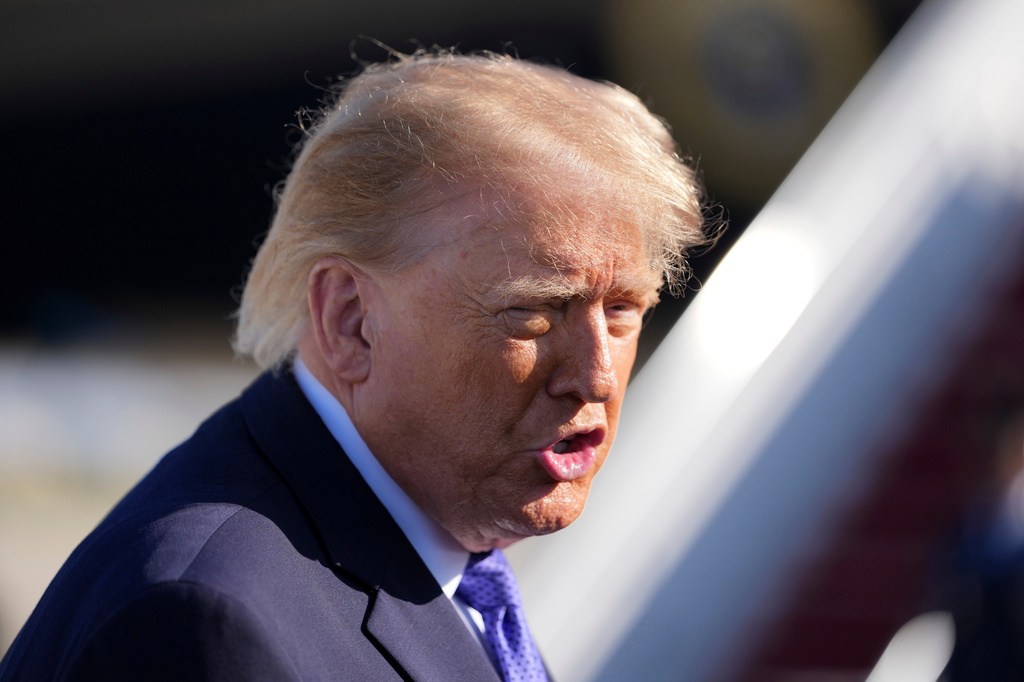
TRUMP’S REMARKS AFTER THE BLUE SWEEP
However, beyond these obvious moves, Republicans must also find a new economic message that speaks to the long-standing concerns people have about their cost of living. The traditional focus on tax cuts won’t work, nor will a socialism-lite platform of not-quite-Democratic-level government giveaways. Instead, the GOP must address the root of the problem — including the ongoing debasement of our dollar, which undergirds so much of today’s affordability issues.
After the stinging defeat of this year’s elections, 2028 will pose a critical test for Republicans: Will they listen to voters and take steps to address their concerns, or will they fall back to the party’s stale status quo? We will find out the answer very soon.
Terry Schilling is the president of the American Principles Project.
Continue reading...
[ H/T Washington Examiner ]