




Wade and Teresa King run cattle on ground their family has worked since the 1950s. In February 2023, Washington state’s Department of Ecology fined them $267,540. The state claims the Kings dug up protected wetlands. The Kings say they just maintained stockwater ponds, which ranchers in dry country have to do. Somebody must decide who’s right, and the Kings want a jury to do it.
I’m a husband and father of three who runs a small business and has coached youth teams for years. Coaching teaches you fast that nobody accepts a call from someone with a stake in the score. Thirty years in finance, including expert witness work in securities and fiduciary cases, taught me the adult version: the side with better evidence welcomes outside judgment. My argument is short. When a state seeks to punish, citizens should decide the facts.
Ecology tells the story differently. It says the original penalty covered at least 23 alkali wetlands, about 6.37 acres, with 18 on state-leased land, two on federal land, and three on the Kings’ own. It relied on aerial photographs back to 1949, site inspections, and soil and water tests. The Kings dispute its conclusion, and the $3.7 million compliance figure comes from their own lawyers. Nobody has tested either account in front of a neutral factfinder.
A Grant County judge dismissed the Kings’ suit in August without ruling on the jury right. In September, an appeals commissioner paused the board proceeding while the appeal continues. As of November 2026, I can’t find a ruling on whether the Kings get a jury.
The founders built the jury to keep government honest. Thomas Jefferson called it “the only anchor, ever yet imagined by man” for holding a government to its constitution. Washington’s Constitution says the right “shall remain inviolate,” and courts measure it against what juries did in 1889. In 1989 the state Supreme Court struck down a cap on jury damage awards on that basis in Sofie v. Fibreboard. That’s the deal: government gets the power to punish, and citizens keep the final say on the facts.
Federal law points the same direction. In SEC v. Jarkesy in 2024, six justices held that when the Securities and Exchange Commission seeks civil penalties for securities fraud, the Seventh Amendment guarantees a jury, because penalties meant to punish are a remedy courts have traditionally imposed. That ruling binds federal agencies. It doesn’t bind Washington, since a 1916 decision holds the Seventh Amendment doesn’t apply to the states. In October 2025, Justice Neil Gorsuch agreed that the decision is “something of a relic” and urged the court to revisit it. The Kings’ lawyers say they’ll ask the justices to do so if Washington’s courts turn them down.
I don’t see a villain here. The legislature created the Pollution Control Hearings Board to provide a “more expeditious and efficient” way to resolve environmental appeals. Its three members are appointed by the governor, and the board is unaffiliated with the Ecology Department. A six-figure penalty calls for more deliberation than efficiency allows. The jury guarantee dates to 1889. The hearing board was created in 1970. (Hollywood made 12 Angry Men in 1957. Nobody has pitched “Three Appointees Deliberate.”)
To be sure, the state has a fair argument. Wetland disputes turn on soil chemistry and hydrology, and a board that hears them daily may handle them better than a jury that hears one. The attorney general’s office says the Kings have no jury right, and Jarkesy itself left agencies room to act without juries in areas like customs and public benefits. The Kings expect the Ecology Department to argue the penalty is incidental to its restoration orders, and they cite the department’s own filing calling the two distinct. The state could win these points. Even so, expertise argues for calling expert witnesses, which juries hear every day. If the Ecology Department’s evidence is as strong as the state says, a jury will find for it, and the Kings will have lost to their neighbors instead of an agency, a result both sides could respect.
CONGRESS CAN’T REFEREE ITSELF
Washington state can fix this in stages. Its courts should apply Article 1, Section 21 the way Sofie did and send punitive penalties to a jury. If they won’t, the legislature can let anyone facing a large civil penalty move the case to superior court and a jury, a change that needs no constitutional ruling. And the U.S. Supreme Court should take a case that lets it revisit Bombolis, so a citizen’s jury right doesn’t change at the state line. I’ll answer my next jury summons without a sigh, and I’d suggest you do the same.
Aldo Leopold asked Americans to see land as “a community to which we belong.” The Ecology Department says it’s protecting rare wetlands. The Kings say they’re keeping water available for cattle, which is its own kind of stewardship. This country has an old way to resolve a dispute between neighbors over facts: hand it to a jury of other neighbors. Wade and Teresa King have asked for that. Let a jury decide whether the ponds are wetlands.
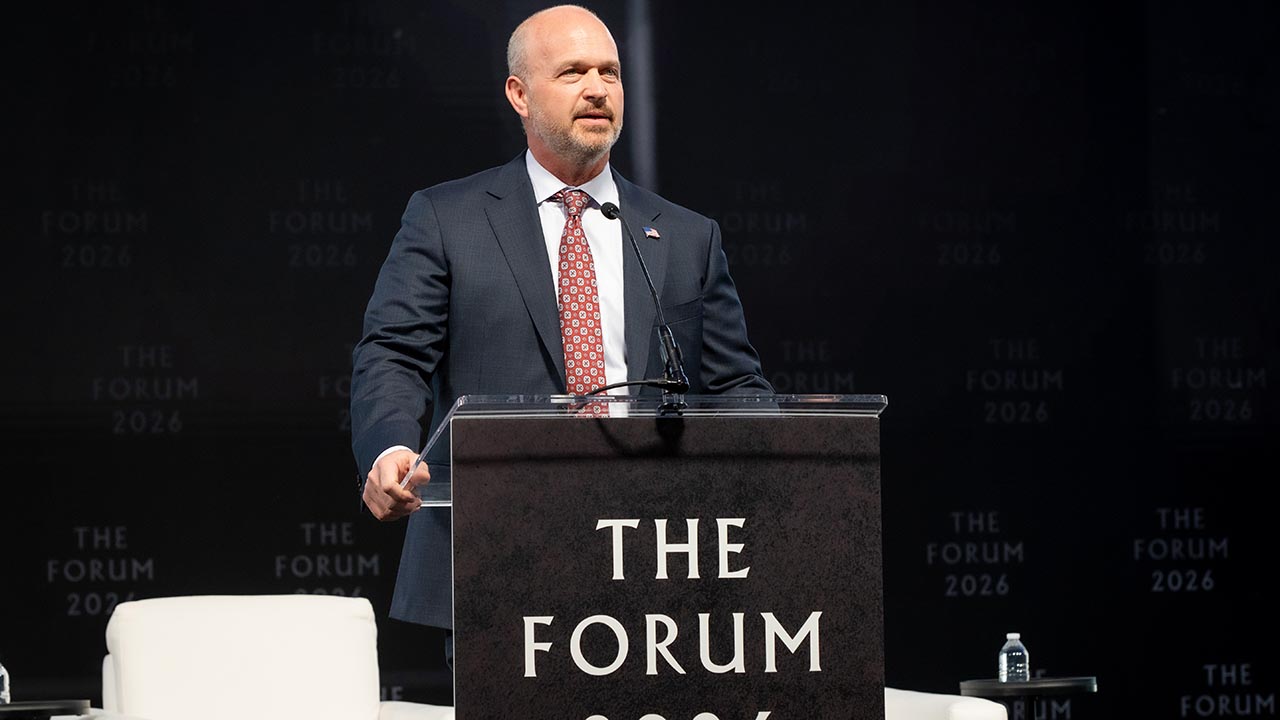
Jay Rogers is a financial professional with more than 30 years of experience in private equity, private credit, hedge funds, and wealth management. He writes about issues in finance, constitutional law, national security, human nature, and public policy.
Continue reading...
[ H/T Washington Examiner ]