






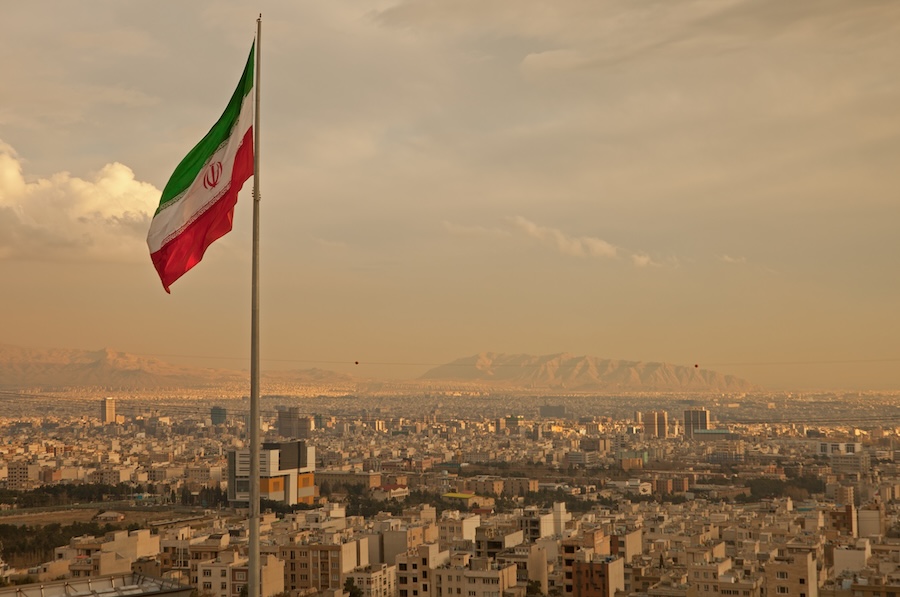
Oil prices tumbled Monday after the United States and Iran avoided direct military strikes for a third straight day, fueling hopes that diplomacy could prevent a wider regional war even as energy markets remain under pressure.
Brent crude, the global benchmark, fell about 6% to roughly $91 per barrel after briefly topping $100 just days earlier. U.S. benchmark West Texas Intermediate crude also dropped, falling about 5.6% to around $84 per barrel.
The sharp decline follows more than 10 consecutive days of military exchanges between the U.S. and Iran that damaged key infrastructure and left several American service members dead. As the fighting intensified, oil prices steadily climbed toward levels not seen since the conflict erupted.
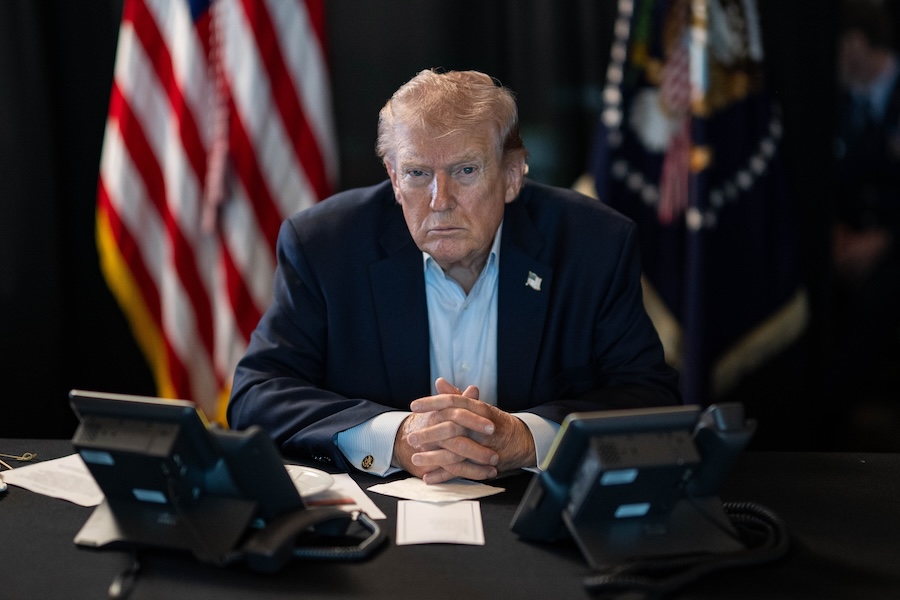
President Donald Trump told Axios on Thursday that he was weighing a “massive strike … bigger than ever before,” but ultimately chose not to move forward. Axios later reported that Trump ordered U.S. forces to stand down Friday instead of launching the operation.
U.S. Ambassador to the United Nations Mike Waltz said Sunday on Fox News that Trump paused military action to give diplomacy “some space.”
Despite the retreat in oil prices, major risks remain across the Middle East.
POLL: Do You Approve Of Secretary Of War Pete Hegseth?
Last week’s surge was also fueled by attacks from Iran-backed Houthi militants on Saudi oil tankers in the Red Sea. The assaults threatened shipments of roughly 5 million barrels of Saudi crude per day transported by pipeline from the Persian Gulf to the Red Sea, bypassing the strategically vital Strait of Hormuz.
While the pause in direct U.S.-Iran fighting helped ease immediate fears in the oil market, shipping disruptions and Houthi threats have not disappeared.
According to Clarksons Research, vessel traffic through the Bab el-Mandeb Strait, which links the Red Sea and the Gulf of Aden, remained well below normal over the weekend, with shipping volumes running roughly 50% below the second-quarter average.
The situation remains even more severe in the Strait of Hormuz, one of the world’s most important energy chokepoints.
Clarksons Research reported that vessel traffic through the strait stayed dramatically below prewar levels over the weekend, underscoring that while oil prices have fallen on hopes for diplomacy, global shipping patterns have yet to return to normal.
POLL: Will You Support Trump And His Candidates In The Midterms?
Continue reading...
[ H/T Trending Politics ]