

Oil prices surged Monday as fresh developments surrounding Iran rattled global energy markets and renewed fears that the Middle East conflict could keep fuel prices elevated heading into the winter.
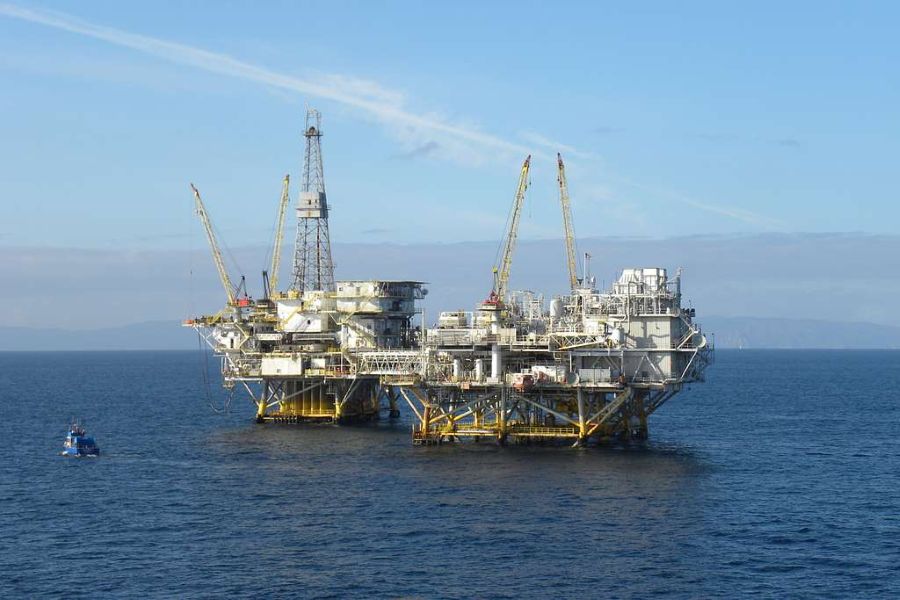
Brent crude climbed above $107 a barrel while West Texas Intermediate also moved sharply higher as traders reacted to stalled diplomacy, threats of renewed U.S. military action and continued uncertainty surrounding the Strait of Hormuz.
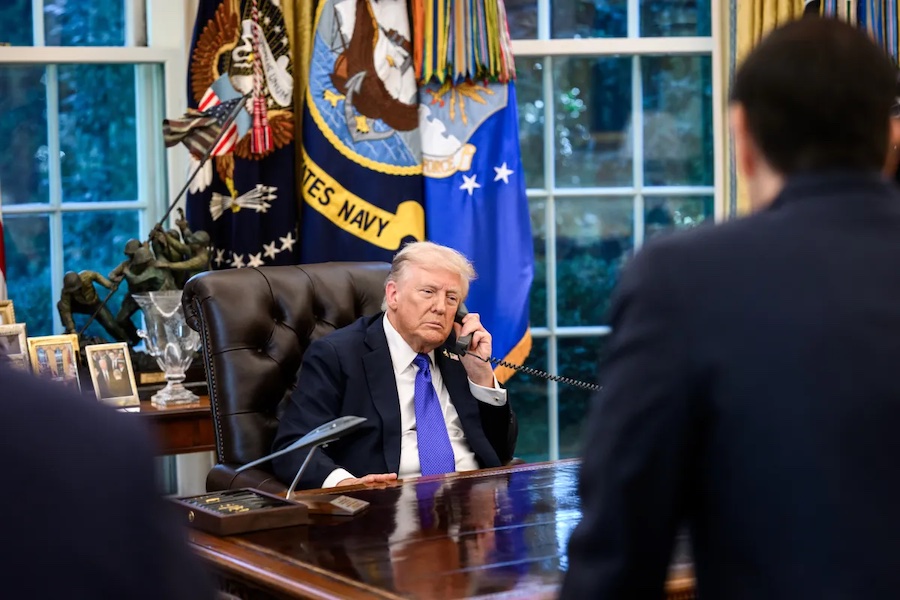
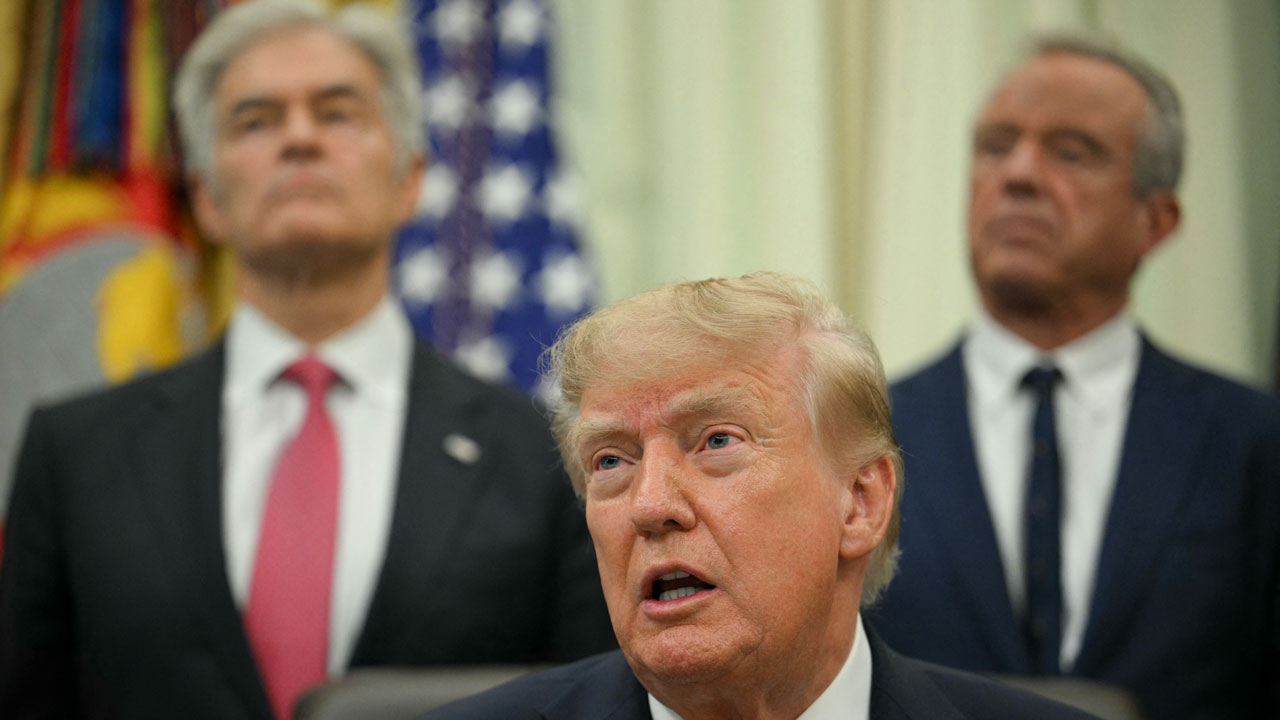
The price spike came after President Donald Trump rejected an Iranian proposal that would have reopened the critical shipping route under a broader agreement involving sanctions relief, Iranian assets and renewed nuclear negotiations.
Trump made clear over the weekend that he was not prepared to accept Tehran’s terms.
“I like making a deal, too. But, I’m not – that deal would not be acceptable,” he told reporters as he was departing the White House. “They want to make a deal where they open the strait immediately because they’re losing so badly.”
The Strait of Hormuz remains one of the world’s most important energy chokepoints, and months of disruption have fueled volatility across oil and refined-product markets.
BRENT CRUDE SURGES ABOVE $107
Brent crude oil surged above $107 per barrel today, extending the sharp rise in global energy prices.@selenaryan_ pic.twitter.com/eftOeuHMzX
— Mossad Commentary (@MOSSADil) September 28, 2026
Iran had proposed reopening the strait if the United States eased military pressure, lifted its blockade of Iranian ports and loosened restrictions on Iranian oil exports.
Trump has instead warned that the conflict could continue until after the November midterm elections if a deal is not reached.
That prospect has investors increasingly concerned that high energy prices could stick around rather than fade as a temporary wartime shock.
Gasoline prices have already climbed sharply from prewar levels, putting renewed pressure on American households and businesses.
Higher fuel costs can spread through the broader economy by increasing transportation, manufacturing and shipping expenses, eventually pushing up prices for food, clothing and other consumer goods.
Wall Street also came under pressure Monday as investors digested the latest developments.
RELATED: Crude Oil Takes Turn Amid Huge Change In Strait Of Hormuz Traffic
Treasury yields moved higher as markets considered the possibility that stubborn energy inflation could force the Federal Reserve to keep monetary policy tighter for longer.
Nic Puckrin, cross-asset analyst and founder of Coin Bureau, warned that the energy shock was beginning to look increasingly entrenched.
“Refined-product supply is being exhausted, the Strategic Petroleum Reserve is at its lowest level since 1982, and the political situation is getting more fraught as we approach the midterms,” he wrote. “Meanwhile, cold weather in the Northern Hemisphere is just around the corner.
“Add to that the ocean of debt the US is drowning in, and yields above 5% start to look like the new normal.”
Trump has also said he is “very seriously” considering a ban on diesel exports as the administration searches for ways to curb soaring domestic fuel costs.
Meanwhile, rhetoric from Tehran has remained heated.
Iranian Foreign Minister Abbas Araghchi said his country was prepared for a worst-case military confrontation while still leaving the door open to negotiations.
“We stand firm in the face of any aggression against us, even when it comes to a doomsday war,” he told NBC’s “Meet the Press” in an interview aired Sunday. “At the same time, we are ready for diplomacy.”
He described Iran’s cease-fire proposal as a “very reasonable plan on the table.”
European countries could face even greater pressure if energy disruptions drag into winter.
Stephen Coltman, head of macro at 21shares, warned that Europe remains heavily dependent on imported fuel supplies as temperatures begin to fall.
“Europe is particularly exposed heading into winter as a net importer of both US diesel and Qatari LNG,” Coltman wrote in a note Monday. “Gas inventories in Europe are much lower than seasonal norms and demand is set to rise rapidly in the weeks ahead.”
POLL: Do You Approve Of Secretary Of War Pete Hegseth?
Continue reading...
[ H/T Trending Politics ]