


"No Such Thing": SCOTUS Lets Trump Resume Big Bend Border Wall... And Torches Legal Theory That Stopped It
The Supreme Court on Monday let the Trump administration resume border wall construction in Texas's Big Bend region, staying a federal judge's injunction while the government seeks further review. Justice Ketanji Brown Jackson noted that she would have denied the request.
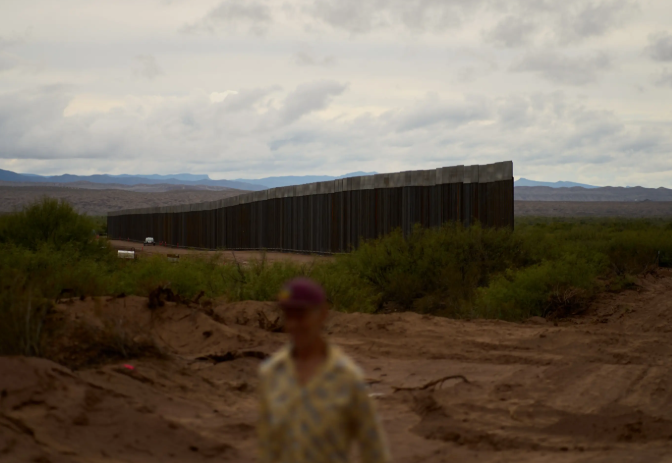
The unsigned order in Mullin v. Friends of the Ruidosa Church turns on who may hear the case, not on the actual wall. A 1996 immigration law lets the Homeland Security secretary "waive all legal requirements" needed for fast border construction, and allows lawsuits against such waivers only if they allege a violation of the Constitution. The Court said the government "is exceedingly likely to prevail" on its argument that the district court lacked jurisdiction over the challenge.
The challengers had framed their case around the major-questions doctrine, the idea that Congress must speak clearly before an agency claims vast power. U.S. District Judge Kathleen Cardone blocked the waivers and construction on Oct. 2, finding that claim likely to succeed. The Supreme Court rejected the premise.
"There is no such thing as a 'constitutional' major-questions claim," the justices wrote, because the doctrine is a rule for reading statutes, and the plaintiffs' claim "alleges instead that the Secretary exceeded his statutory authority."
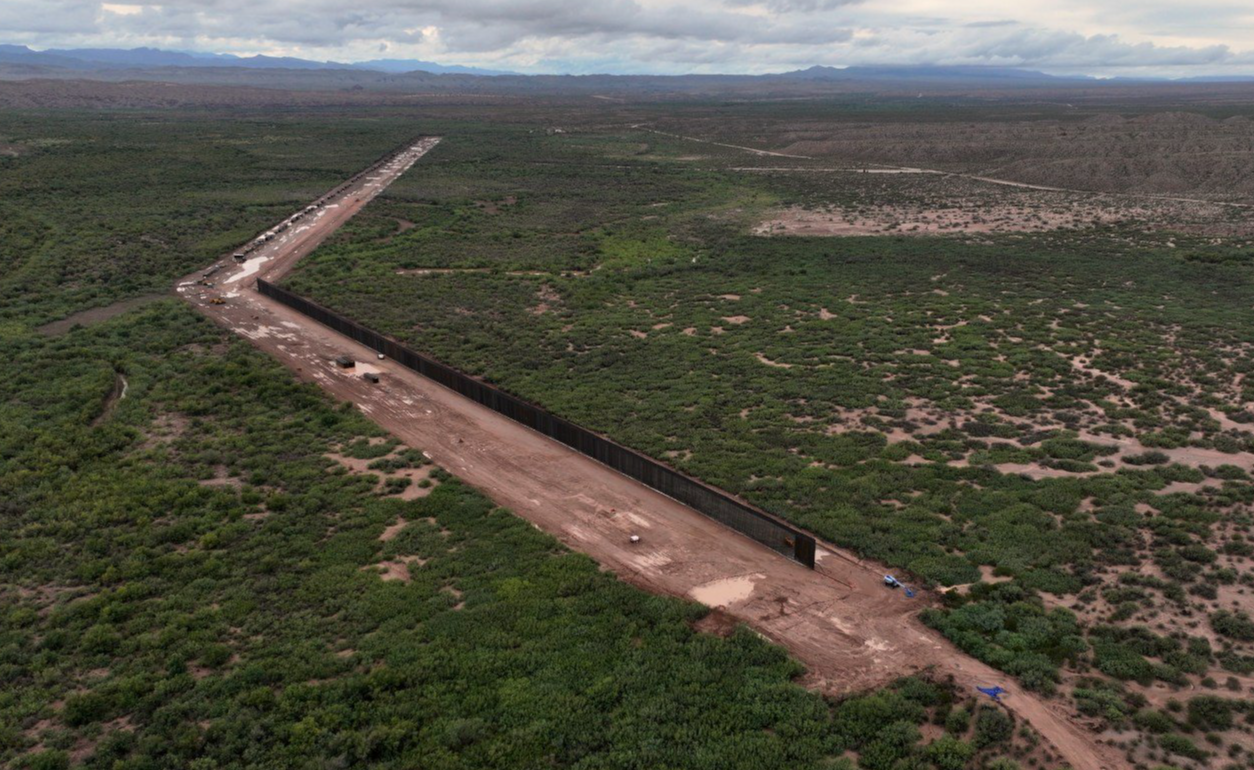
The Court also found the injunction was costing the government real money.
A Customs and Border Protection official said the halt was running up "nearly half a million dollars in costs per day" that "cannot be recouped" if the government wins in the end. And on the harm to the plaintiffs, the justices said Congress had already struck the balance: "The Government's interest therefore outweighs any aesthetic, recreational, and environmental harm alleged by respondents."
The challengers are the Center for Biological Diversity, a group trying to preserve a historic church in Ruidosa, Texas, and a river guide, Danny Miller. They sued after Homeland Security Secretary Kristi Noem and her successor, Markwayne Mullin, issued a series of waivers between February and July that set aside environmental and conservation laws across the Big Bend Sector. Each waiver found the sector to be "an area of high illegal entry," and the government says Border Patrol apprehended more than 89,000 people there over five years.
Cardone found the opposite in her ruling: that the Big Bend Sector has "the lowest rate of illegal entry along the entire U.S.-Mexico border." The challengers told the Supreme Court the stay would bring "the permanent alteration of an irreplaceable landscape" that includes Big Bend National Park, Big Bend Ranch State Park and nearly 200 miles of the Rio Grande's Wild and Scenic River corridor. They also said the government began construction inside the national park in early August without giving the 30 days' notice it had agreed to, then paused it the same day they went to court.
The ruling is a stay, not a final decision. It lasts until the government files its petition for certiorari and the Court disposes of it. If the Court denies review, the stay ends automatically. If it takes the case, the stay ends when the Court's judgment goes back to the lower court. As we reported, the injunction froze the project and the administration went to the Supreme Court on Oct. 21.
Tyler Durden Mon, 11/09/2026 - 18:00
Continue reading...
[ H/T ZeroHedge ]
The Supreme Court on Monday let the Trump administration resume border wall construction in Texas's Big Bend region, staying a federal judge's injunction while the government seeks further review. Justice Ketanji Brown Jackson noted that she would have denied the request.
The unsigned order in Mullin v. Friends of the Ruidosa Church turns on who may hear the case, not on the actual wall. A 1996 immigration law lets the Homeland Security secretary "waive all legal requirements" needed for fast border construction, and allows lawsuits against such waivers only if they allege a violation of the Constitution. The Court said the government "is exceedingly likely to prevail" on its argument that the district court lacked jurisdiction over the challenge.
The challengers had framed their case around the major-questions doctrine, the idea that Congress must speak clearly before an agency claims vast power. U.S. District Judge Kathleen Cardone blocked the waivers and construction on Oct. 2, finding that claim likely to succeed. The Supreme Court rejected the premise.
"There is no such thing as a 'constitutional' major-questions claim," the justices wrote, because the doctrine is a rule for reading statutes, and the plaintiffs' claim "alleges instead that the Secretary exceeded his statutory authority."
The Court also found the injunction was costing the government real money.
A Customs and Border Protection official said the halt was running up "nearly half a million dollars in costs per day" that "cannot be recouped" if the government wins in the end. And on the harm to the plaintiffs, the justices said Congress had already struck the balance: "The Government's interest therefore outweighs any aesthetic, recreational, and environmental harm alleged by respondents."
The challengers are the Center for Biological Diversity, a group trying to preserve a historic church in Ruidosa, Texas, and a river guide, Danny Miller. They sued after Homeland Security Secretary Kristi Noem and her successor, Markwayne Mullin, issued a series of waivers between February and July that set aside environmental and conservation laws across the Big Bend Sector. Each waiver found the sector to be "an area of high illegal entry," and the government says Border Patrol apprehended more than 89,000 people there over five years.
Cardone found the opposite in her ruling: that the Big Bend Sector has "the lowest rate of illegal entry along the entire U.S.-Mexico border." The challengers told the Supreme Court the stay would bring "the permanent alteration of an irreplaceable landscape" that includes Big Bend National Park, Big Bend Ranch State Park and nearly 200 miles of the Rio Grande's Wild and Scenic River corridor. They also said the government began construction inside the national park in early August without giving the 30 days' notice it had agreed to, then paused it the same day they went to court.
The ruling is a stay, not a final decision. It lasts until the government files its petition for certiorari and the Court disposes of it. If the Court denies review, the stay ends automatically. If it takes the case, the stay ends when the Court's judgment goes back to the lower court. As we reported, the injunction froze the project and the administration went to the Supreme Court on Oct. 21.
Tyler Durden Mon, 11/09/2026 - 18:00
Continue reading...
[ H/T ZeroHedge ]