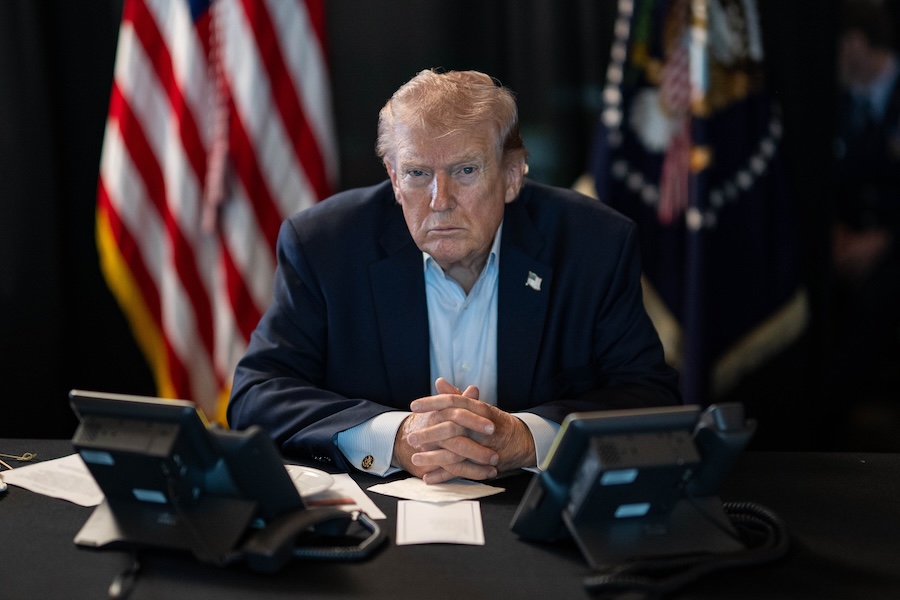
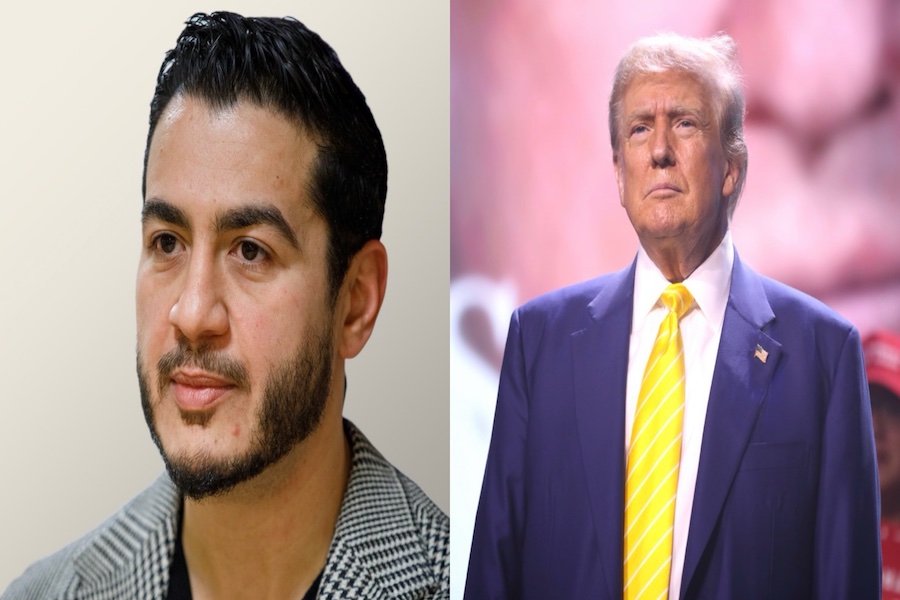
President Donald Trump has stated he will meet with Michigan Senator-elect Abdul El-Sayed to discuss a healthcare proposal that El-Sayed has branded as “Trumpcare.”
In an interview with the New York Post published on November 24, Trump described El-Sayed’s rebranding of a single-payer plan as “very smart” and said the incoming senator “did a good job. He actually did a very good job.”
Trump further indicated that he would be meeting with El-Sayed in the near future, but did not specific a date for the meeting. “Maybe there’s some place in the middle that we could go,” the president added.
He further indicated a willingness to work with Democrats, stating, “I’m just going to veto everything there is, and then at some point I think they’re going to want to negotiate,” before again naming healthcare policy as a point to negotiate. “I will, and we can do health care. We can do a lot of great things together.”
El-Sayed, a physician and former public health official, has long supported Medicare for All, a single-payer system that would replace most private insurance with a government-run plan guaranteeing coverage for all Americans. Earlier in November, he posted on X images of a mock gold insurance card labeled “Trumpcare” alongside the caption, “Donald, this is on the table. Guarantee healthcare for every American, from cradle to grave.”
The card design included references to coverage for hospital care, prescriptions, dental, vision, and hearing, with language indicating no premiums, deductibles, or copays. Trump later shared a screenshot of the post on Truth Social without adding his own comment.
POLL: Will America Regret Giving The Democrats Power?
El-Sayed has separately said he would accept the name if it advanced the policy, telling NPR, “Put his name on it. He’ll probably pass it. I’m not above doing that. I don’t care what it’s called.” He has described a preferred version of the plan as operating somewhat like public schools, describing it as a guaranteed public option available to everyone, while still allowing private coverage.
Trump has not endorsed Medicare for All as a full single-payer program. In a Fox News interview around the same period, he said he was open to working with Democrats on healthcare and that their proposals contained both “good points” and “bad points.”
His comments about finding “some place in the middle” and doing “great things together” seemingly indicate interest in negotiation rather than adoption of the progressive proposal in its standard form. The White House has previously described related single-payer ideas as disruptive to access.
Estimates of the fiscal impact of Medicare for All vary by design. Congressional Budget Office modeling of single-payer options has projected additional federal spending of roughly $1.5 trillion to $3 trillion annually by 2030, depending on provider payment rates, benefits, and cost-sharing. Over a decade, analyses from the Committee for a Responsible Federal Budget and others place the added federal cost in a range of approximately $20 trillion to $40 trillion, with some higher-end figures from the Council of Economic Advisers and American Action Forum near $47 trillion.
Systems with government-financed universal coverage in other countries have reported extended wait times for non-emergency care. In Canada, the Fraser Institute’s 2026 survey found a median wait of 30.7 weeks from a general practitioner’s referral to receipt of specialist treatment, the longest recorded in the survey’s history. England’s National Health Service has reported more than 100,000 people waiting over a year for routine treatment, with only about two-thirds of patients beginning hospital care within 18 weeks of referral in recent data.
RELATED: Trump Casts Doubt On Possibility Of Making Deals With Senate Democrats
Continue reading...
[ H/T Trending Politics ]