






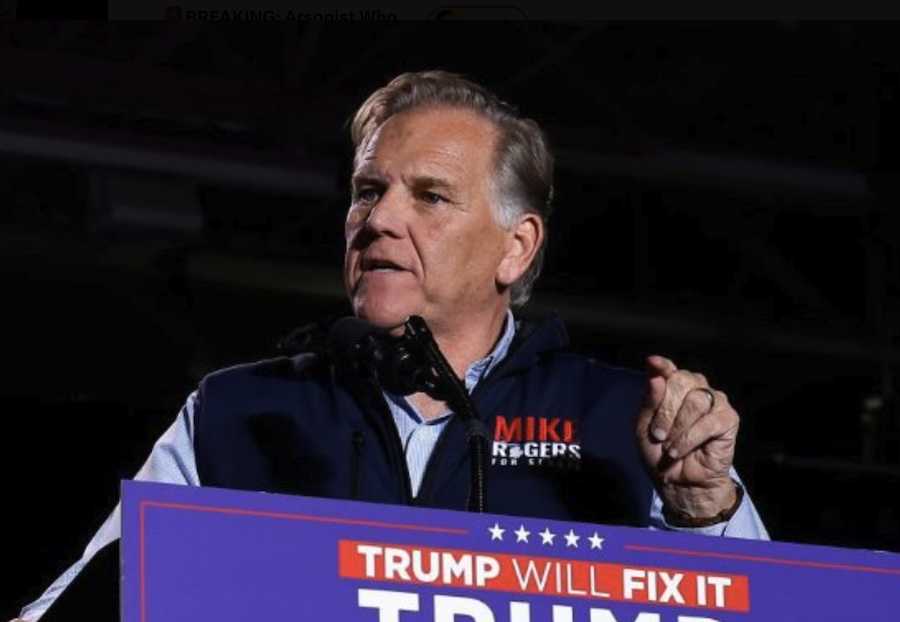
A recent survey conducted by the Glengariff Group found former U.S. Rep. Mike Rogers, a Republican, with a commanding lead against far-left challenger Abdul El-Sayed. The survey also found a much tighter race in a hypothetical matchup between Rogers and U.S. Rep. Hayley Stevens (D-MI), who is widely seen as the underdog in the upcoming Democratic Party primary.
The poll, which was commissioned by the Michigan Education Association and Business Leaders for Michigan, surveyed 600 likely general election voters from July 22 to 24, 2026. It was a live-operator telephone survey with a margin of error of plus or minus 4.0 percentage points at a 95 percent confidence level, the firm explained.
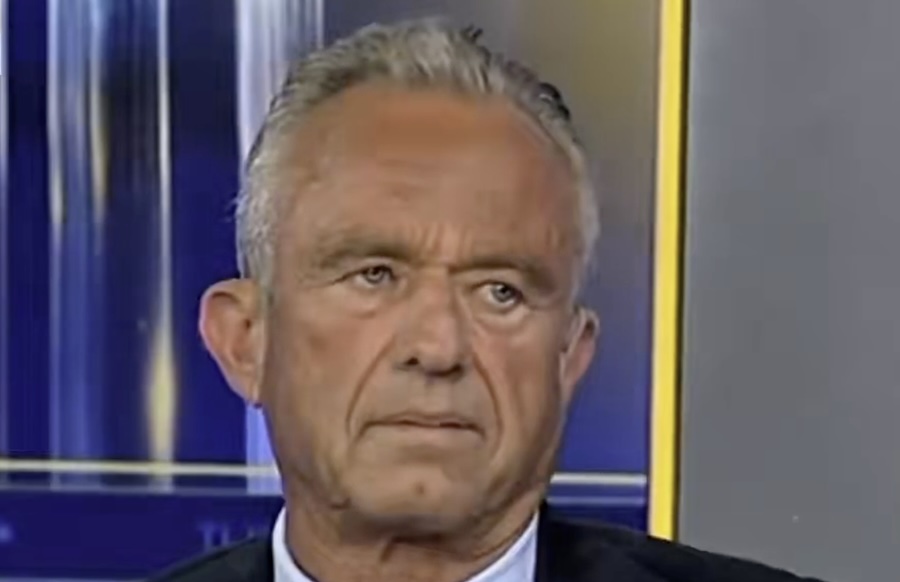
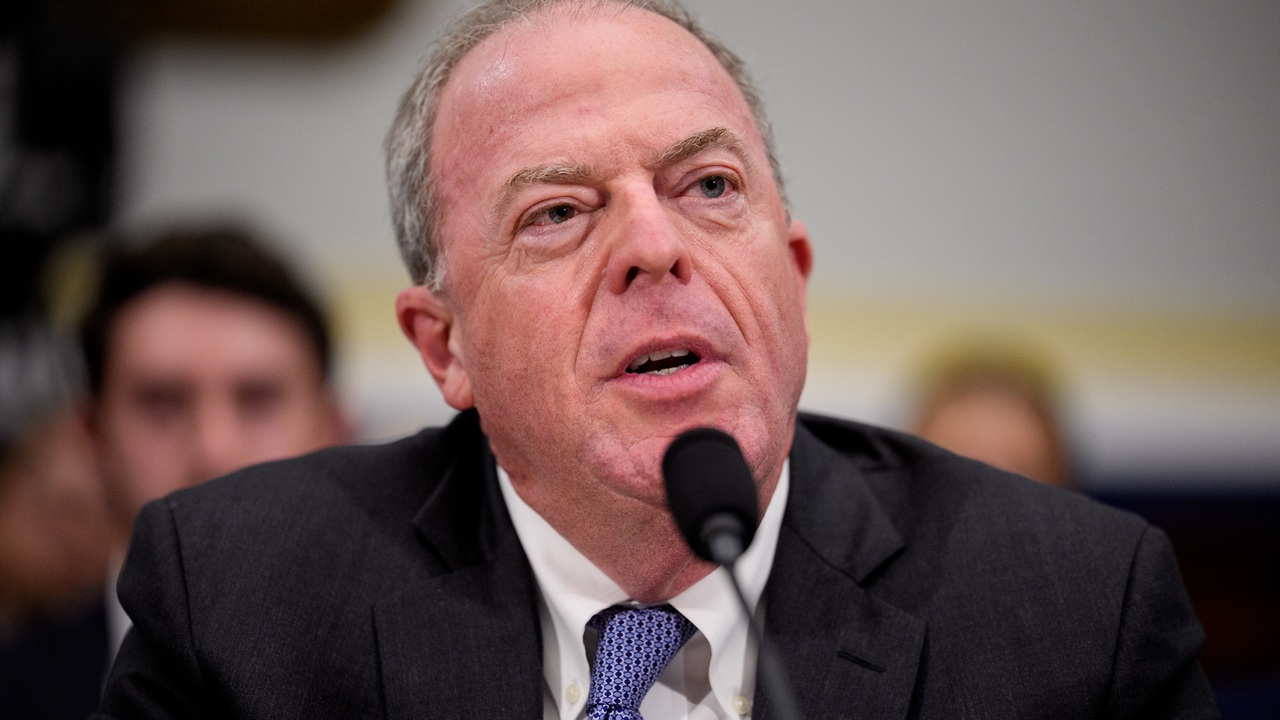
The results highlighted distinct differences depending on the Democratic Party nominee. In a hypothetical general election matchup against Rogers, progressive candidate Abdul El-Sayed received 38.7 percent support while Rogers received 49.0 percent, a lead of 10.3 points for Rogers. An additional 10.7 percent of respondents indicated that they are still undecided.
Among those identifying as definite voters, Rogers maintained a 7.2-point advantage at 48.0 percent to El-Sayed’s 40.8 percent.
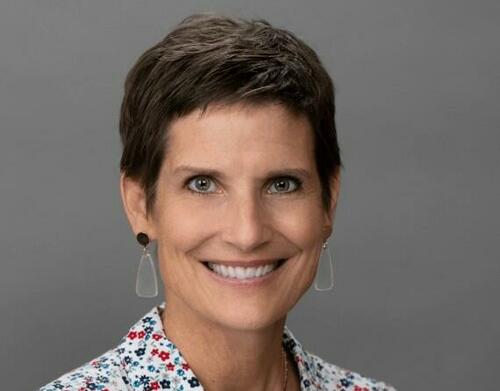
By comparison, the matchup between Rogers and Rep. Stevens is far closer. Stevens received 45.5 percent support to Rogers’ 44.7 percent, with 8.9 percent undecided. Among definite voters, Stevens held a 2-point edge at 46.8 percent to 44.8 percent, making the race effectively tied given the poll’s margin of error.
Glengariff poll | 7/22-7/24 LV
US Senate Michigan 2026
Mike Rogers 49.0%
Abdul El-Sayed 38.7%
——
Haley Stevens 45.5%
Mike Rogers 44.7% pic.twitter.com/RXK5qLIsQk
— Politics & Poll Tracker(@PollTracker2024) July 28, 2026
Demographic breakdowns further illustrate the contrast. Among independent voters, Stevens and Rogers are nearly even, with Stevens at 39.5 percent and Rogers at 38.7 percent. Rogers, however, leads El-Sayed by 27.5 points among independents (46.8 percent to 19.3 percent).
Gender differences are also notable. Stevens leads among women by nearly 20 points (57.0 percent to 37.8 percent), while Rogers leads among men (52.4 percent to 32.4 percent). El-Sayed leads women more narrowly (47.0 percent to 42.7 percent) and trails among men (29.3 percent to 56.2 percent).
Regional patterns show Stevens performing strongly in Metro Detroit (51.2 percent to 39.2 percent for Rogers), while Rogers holds an advantage outstate. El-Sayed leads narrowly in Metro Detroit but trails substantially elsewhere.
Among Black voters, Stevens led Rogers 79.5 percent to 10.8 percent, compared with El-Sayed’s 57.8 percent to 20.5 percent. Party affiliation data also followed expected partisan lines, with strong Democrats heavily favoring either party candidate and strong Republicans overwhelmingly supporting Rogers.
The survey arrives as Michigan Democrats prepare for their August 4 primary to select a nominee for the seat being vacated by retiring Senator Gary Peters. Former state Senator Mallory McMorrow suspended her campaign earlier in July, leaving Stevens and El-Sayed as the principal remaining contenders.
El-Sayed, a former Wayne County health director and 2018 gubernatorial candidate, has aligned himself with the progressive wing of the Democratic Party. He has received endorsements from figures associated with that faction, including Senator Bernie Sanders, and has emphasized policies such as abolishing ICE and has previously expressed support for abolishing the police.
According to the RealClearPolling average, El-Sayed holds a narrow lead as the race heads down the final stretch. Stevens has gained in recent weeks, however, and has secured a number of key endorsements from party leaders like Governor Gretchen Whitmer.
POLL: Will You Support Trump And His Candidates In The Midterms?
Continue reading...
[ H/T Trending Politics ]