







Anthony Pollio carried bear spray into Glacier National Park.
He stayed in touch with the people he loved, knew darkness was coming, and expected to walk back out after watching the sunset from Mount Brown Lookout.
National reports described the 33-year-old Floridian as a Catholic deacon. His last known message came at 8:20 p.m., while he was still climbing one of the park’s steepest trails.
More than two months after his death, a federal-state review has reconstructed what happened when a grizzly suddenly came out of the darkness.
The Interagency Grizzly Bear Committee published its 17-page review on July 20 after specialists from federal, state, park and county agencies spent more than two months examining the scene. They used Pollio’s messages, physical evidence, wildlife DNA and search records to rebuild the sequence as closely as possible.
Pollio entered the park at about 4:45 p.m. on May 3 and began hiking around 6:30 p.m. He intended to climb 5.1 miles to the lookout, gaining more than 4,200 feet, then descend after sunset.
Investigators placed the attack at roughly 9:30 p.m., after the trail had gone dark. Fallen trees and poor visibility likely kept Pollio and the bear from seeing each other until they were dangerously close, and a fully discharged can of bear spray was found near the apparent point of contact.
The evidence indicates Pollio tumbled 93 feet downhill during the attack, then managed to climb about 18 feet back up the slope before the bear engaged him again. Investigators found no consumption or caching, and concluded that the brief, intense encounter was a defensive attack by a surprised grizzly rather than predation.
DNA gave investigators an unusually clear answer about the animal.
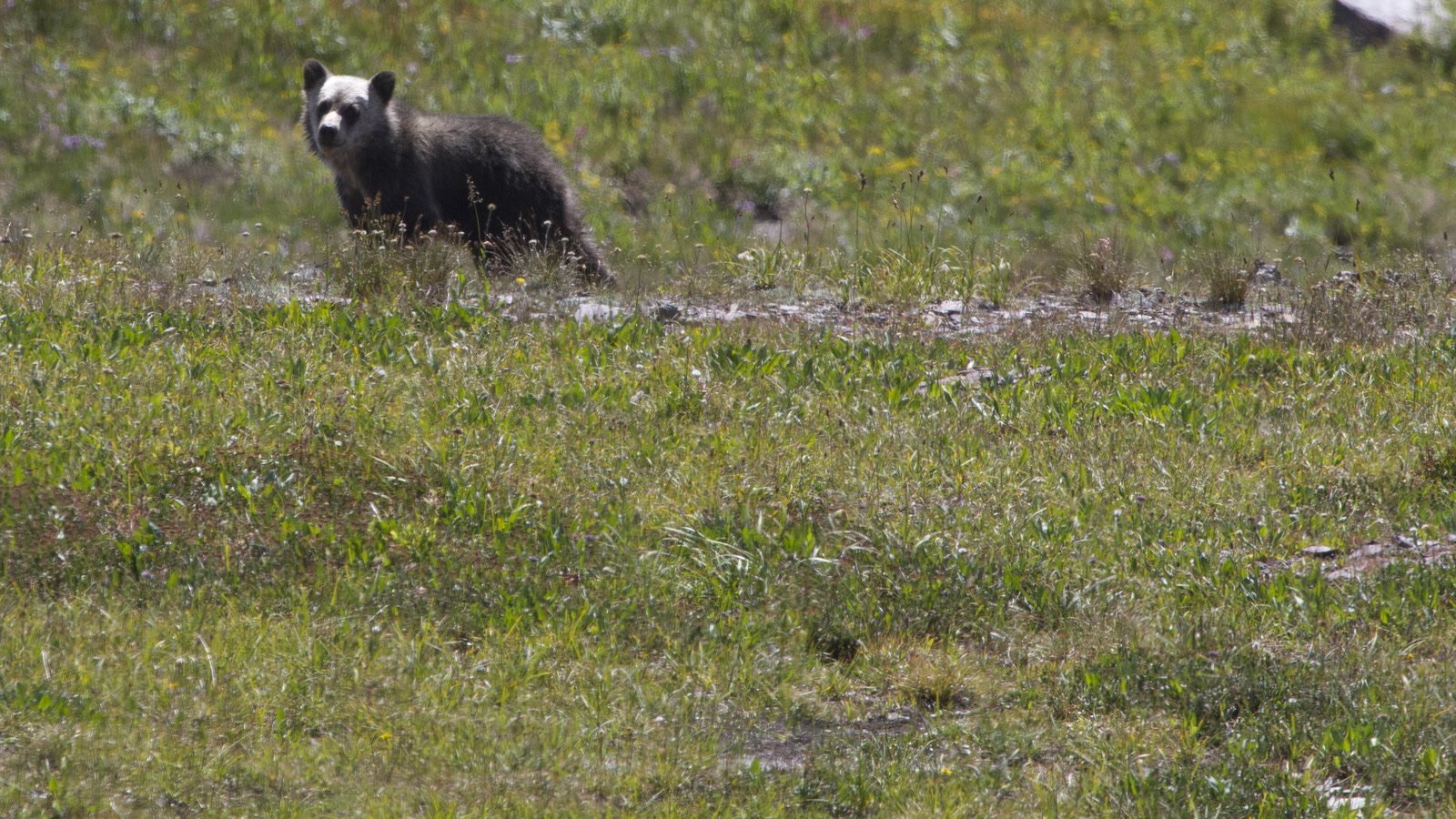
The Flathead Beacon traced the samples to male grizzly bear No. 138239, a lifelong Glacier National Park resident believed to be at least 15 years old. The bear had no known history of conflict, capture or aggression toward people.
Local reporting described the Mount Brown route as a punishing trail with more than two dozen switchbacks and heavy deadfall from wildfire-damaged trees. Pollio had climbed more than 2,000 feet by his last text, but investigators estimated he was still nearly a mile above the place where searchers later found him.
His father reported him missing the following afternoon after their regular contact stopped. Rangers and volunteers searched multiple lookout routes, flew infrared missions and eventually found Pollio on May 6, about 69 feet below the trail.
The death was Glacier National Park’s first fatal grizzly attack inside its boundary since 1998. No bear was found lingering near the scene, and officials did not identify any nearby carcass, food source or evidence that the animal had been stalking a person as prey.
The empty spray canister has become one of the most sobering pieces of evidence in the case.
Veteran grizzly researcher Chris Servheen told Outside that the conditions described by investigators put Pollio at a severe disadvantage. A person can barely see on a dark trail while a bear remains active and far better equipped to detect what is nearby.
Servheen stressed that bear spray remains essential, yet it cannot erase every danger created by a close-range surprise. Investigators could not determine whether the spray hit the bear, how far away the animal was, or whether Pollio had enough time to aim before the charge reached him.
The slope may have made deployment even harder. With timber blocking visibility and the bear apparently moving uphill at speed, the encounter may have left only seconds between first awareness and contact.
Servheen’s broader advice centered on preventing that instant from happening at all. In poor visibility, hikers should make far more noise than usual so a bear has time to move away before either side is startled.
NBC 6 South Florida spoke with Pollio’s father, Arthur, shortly after searchers recovered his son. The family knew Anthony as a fearless traveler, an experienced hunter and a man whose determination often pulled him toward the next hard thing.
At 6:48 p.m. that evening, Pollio left his father a voicemail from the trail. His message ended with the words, “It’s wild out here. I love you, dad.”
Arthur Pollio remembered his son as a warrior with a powerful appetite for life. Anthony had played soccer through the Archdiocese of Miami and remained close enough to his father that silence the next day immediately felt wrong.
That human detail sits behind every measurement in the reconstruction. The 93 feet, the empty spray canister and the DNA profile all belong to the final chapter of a son who expected to finish his hike and call home again.
Investigators closed their review with practical guidance for anyone entering bear country.
Travel in a group. Make noise where brush, water, darkness or deadfall limits awareness.
Keep bear spray immediately accessible, and avoid hiking at night, dawn or dusk whenever possible.
They also urged hikers to leave detailed plans with someone before setting out, including the exact trail and expected return time.
Pollio had taken an important precaution by carrying bear spray. The reconstruction shows how quickly darkness, terrain and one startled animal can strip away every remaining margin.
Continue reading...
[ H/T WLT Report ]