








NASA is looking to make big discoveries on the lunar surface while simultaneously telling a bold story: Caves have likely existed on the moon for many years.
The space agency will use its inventory of high-tech gadgets to investigate holes on the lunar surface officials say have turned into large caves that occurred from natural disasters.
'Useful in a support role for human activity on the lunar surface.'
Between 2009 and 2014, NASA said it had found over 200 pits on the moon using its Lunar Reconnaissance Orbit Camera.
Sizes ranged from just five meters to 900 meters in diameter, while "many appear to widen underground."
Most of the pits NASA found were either large craters with ponds made from lava following the impact of a meteor, or in dark areas of the moon — known as the lunar maria — that are made from solidified lava that flowed hundreds of miles. Either way, lava is the predominant catalyst, NASA said.
The apple of NASA's eye is now the Marius Hills Pit, a hole thought to be around 150 feet deep and 300 feet across, Futurism reported.
The pit was first spotted by Japan's Kaguya spacecraft years ago, and even though it doesn't sound that big, it's large enough to fit a 10- to 15-story building and could be used as a possible shelter location for astronauts.
The importance of shelter for explorers is paramount in order to protect from radiation, extreme temperature swings, and meteorites.
RELATED: SpaceX's newest launch just took the first step to fill the skies with data centers
To get to it, NASA will use instruments mostly constructed by HoneyBee Robotics on an upcoming mission to be named later. A lunar rover will reportedly be equipped with ground-penetrating radar, seismic sensors, cameras, and a gravimeter to measure gravitational fields.
NASA previously cited Arizona State professor Robert Wagner, who believed the lunar pits could have formed from when the roof of a lava cave collapsed, which could have happened when subsequent meteorites impacted the surface nearby.
Molten lava flowing under the lunar surface could have created "lava tubes," as well, which happens on Earth. However, Wagner did say that there is little evidence to point to any cause in particular.
"They are likely due to melt flow within the pond from uplift after the surface has solidified, but before the interior has cooled," Wagner explained.
Wagner said in 2014 that the pits would be "useful in a support role for human activity on the lunar surface," adding that exploration could help scientists determine how old the layers of the moon are.
RELATED: Patriots QB reveals he has taken classes in conspiracy theories — and there's one major US event he is skeptical about
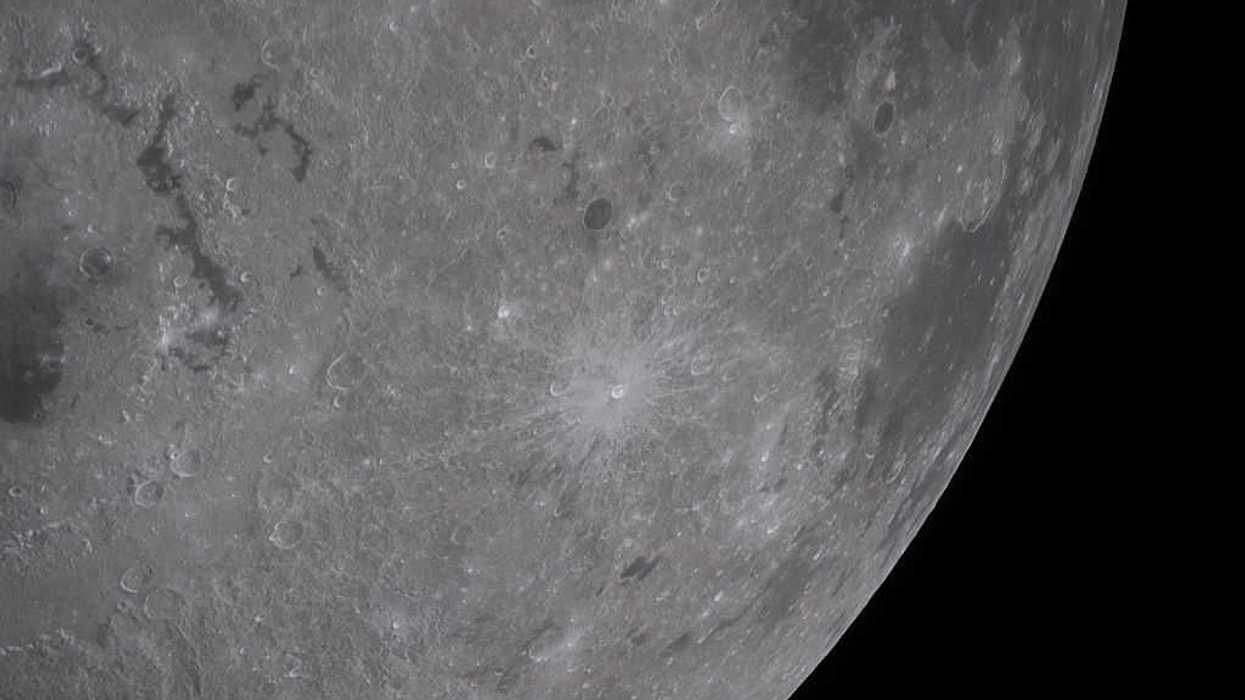
The Geophysical Instruments for Marius Lunar Pit Investigation would also give insight into how "volcanism" took place on the moon, said project investigator Gareth Morgan, per Science Daily.
"Lava tubes are a common feature of basaltic volcanism on Earth, so identifying them on the moon means we could use knowledge of such terrestrial caves to better understand lunar history," he added.
The project is funded through a NASA program called the Payloads and Research Investigations on the Surface of the Moon, with NASA funding the construction of a spacecraft — likely the rover/lander — through a private company paid by NASA's Commercial Lunar Payloads Services initiative.
Like Blaze News? Bypass the censors, sign up for our newsletters, and get stories like this direct to your inbox. Sign up here!
Continue reading...
[H/T Blaze Media]


