






Dismantling the U.S. Department of Education is one of the Trump administration’s best and boldest policies. With just a small percentage of staff coming to the office anymore, the agency is downsizing to a nearby building. Some senators are trying to stop much of this welcome reform, however, with a bill to cease implementation of any interagency agreement in K–12 and higher education, special education, and Indian Education.
As a former deputy assistant secretary in one of these areas, I can say with confidence that interfering with these agreements is bad policy.
Should any education programs operate at the federal level? No. They all should return to the states. But so long as they exist, they should run efficiently, and they’ll do that better in their new agencies. Here’s why.
First, the interagency agreements enable the government to integrate education policy with other areas such as labor policy and health policy. Staff expertise from the Department of Education, for instance, is now on site at the Department of Labor and other agencies to better serve America’s students.
Second, the agreements streamline government to help states and other grantees simplify their interactions with Washington. Having a single agency and a single grant management system for similar grants will reduce the headaches that grantees experience with a bewildering patchwork of systems.
Third—and I can say this with particular experiences in mind—the programs are likely to be much better administered in their new homes. We should expect that the Department of Education has detailed the most productive and knowledgeable staff to the other agencies to get the job done. The significant proportion of less able and less committed staff who were left behind or furloughed were probably doing little of substance for these programs.
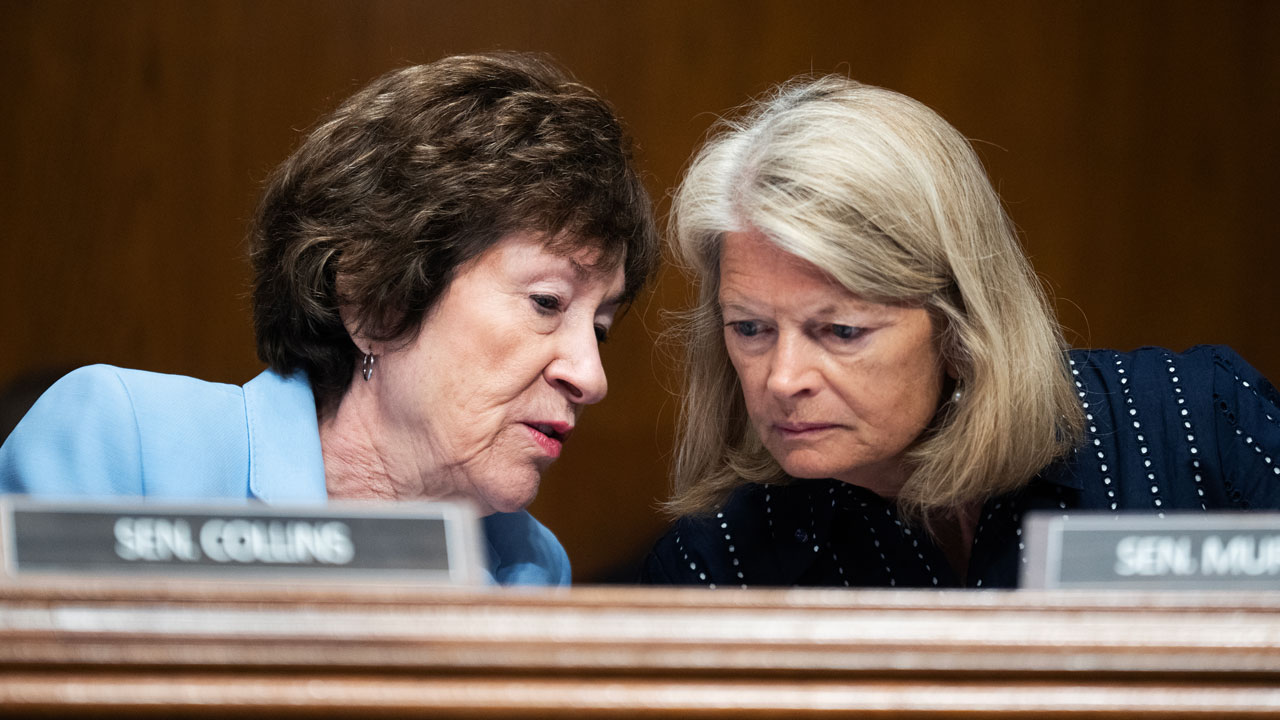
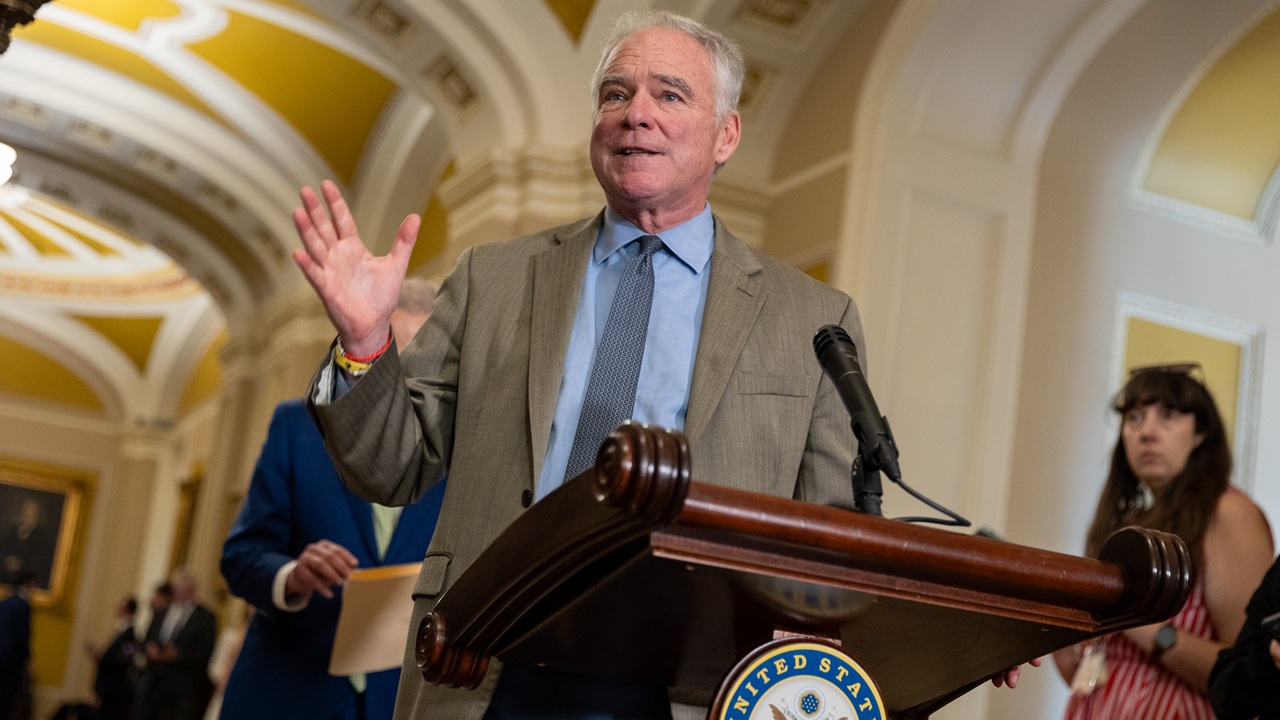
Although he could have targeted all the programs subject to interagency agreements—which is effectively the entire department—Sen. Tim Kaine, D-Va., one of the bill’s co-sponsors, reportedly picked only these four areas. He reportedly said that these are “what can we agree on that absolutely cannot be given to anybody else without screwing it up.”
Frankly, legislators have little to no idea which programs are working at which levels of quality. The agency staff do. And in my area, postsecondary education, career staff certainly messed up the Federal TRIO programs on their own before we cleaned them up.
It’s a story I’ve told before. The Department of Education was strictly enforcing rules about minor technicalities in grant applications, such as the line spacing in a table. Put aside whether the department staff members did this on purpose to embarrass then-Secretary of Education Betsy DeVos—they did it. Their knuckleheaded enforcement of rules that were not actually in the statute drove a coalition of 32 members of the House of Representatives (17 Democrats and 15 Republicans) to push back.
Under Secretary DeVos, we changed the standard rules for these programs so that this bureaucratic travesty would not recur.
Legislators who were around for this in 2017, including Kaine, ought to remember how much the Department of Education can and does “screw” things up.
A story I haven’t told before has to do with programs for historically black colleges and universities (HBCUs) under Title III of the Higher Education Act, which also are now under Department of Labor administration.
Federal funds for a particular year are normally supposed to be used that year and then expire. But the Department of Education had a longstanding policy and practice of letting Title III funds for capital projects accumulate for up to five years—the maximum before the funds would get swept back into general U.S. Treasury funds.
The leading staff attorney for my area came to me one day saying that no one had listened to him for years—could we finally let Title III funds expire on time? I listened and agreed. We made the change. I personally called about 100 HBCU presidents and spoke with them and their Title III officers to explain the actual rule and describe how it differed from the messed-up previous rule of the Department of Education.
A couple of years later, the rule got changed back again. And then the Department of Education simply forgave or perpetually deferred a billion dollars’ worth of HBCU capital financing debt.
Anyone who thinks the Department of Education is free of political influence—whether Republicans or Democrats are in charge—is naïve. Its whole existence began with President Jimmy Carter’s pandering to the National Education Association, a large teachers’ union, during his campaign.
It is remarkable that Kaine and other sponsors of his bill argue that the Department of Labor, the Department of Health and Human Services, and the Department of the Interior are so incompetent that they cannot administer these programs correctly, even with designated experts from the Department of Education at their elbows.
It seems to me that these legislators are playing politics rather than thinking about good policy.
Continue reading...
[ H/T The Daily Signal ]