



President Donald Trump’s director of national intelligence is pushing back against growing fears of a coordinated cyberattack after a wave of massive technology outages disrupted American airports, financial institutions and major communications platforms.
Director of National Intelligence Jay Clayton delivered the update Tuesday, Nov. 17, telling CNBC that federal intelligence officials have examined the disruptions and found no evidence that a hostile foreign government is orchestrating the chaos.
Instead, Clayton pointed to aging technology and complicated system upgrades as likely explanations for several of the failures.
“Let me tell you what this is not, as far as we can tell … this is not a cyberattack, and this is not a coordinated effort by a nation state. We’ve looked very closely,” Clayton told CNBC.
The reassurance comes after a remarkable string of outages rattled Americans over the past week, temporarily affecting everything from commercial airline operations to banking services and email platforms.
The disruptions have raised uncomfortable questions about the reliability of critical infrastructure in a country increasingly dependent on digital systems to function.
Clayton acknowledged those vulnerabilities but suggested that attempts to modernize outdated technology could be contributing to the problems.
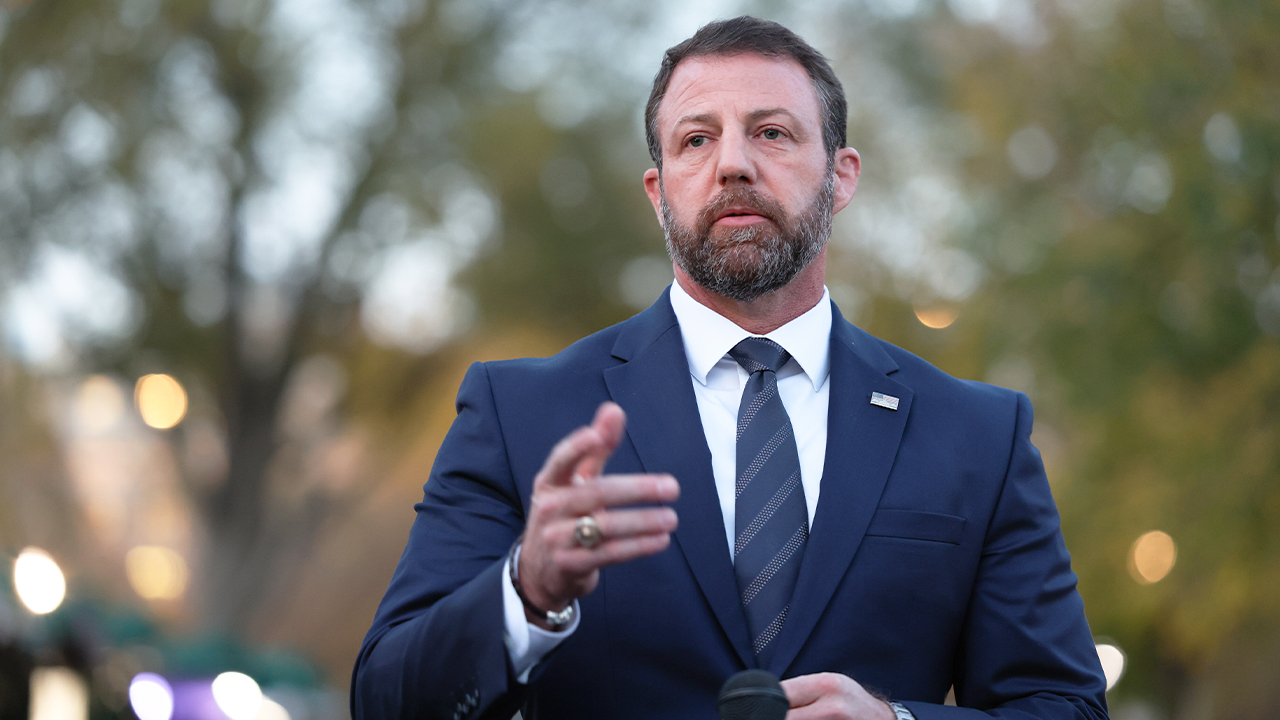
The intelligence chief’s assessment follows similar remarks from Homeland Security Secretary Markwayne Mullin, who previously suggested that increasingly sophisticated artificial intelligence programs could be overwhelming older computer systems.
POLL: Are You Concerned About The Nationwide Outages?
Appearing on Fox News Monday, Mullin revealed that he had spoken with a technology industry insider who raised concerns about the speed at which advanced programs operate.
“I started talking to the tech industry,” Mullin said, adding that the individual believed “that it’s the SI, he said, because these programs aren’t designed to work as fast as SI is.”
“When they put in a program that’s able to write codes and it goes in, it self-fixes itself,” Mullin continued. “It’s like doing a change order on a house. When you change one thing in a house, everything else starts changing, that’s a ripple effect. And it causes a system to be overran that weren’t designed to run as fast as the SI technology is today.”
RELATED: JUST IN: Google Users Report Widespread Issues As Outages Persist
However, officials have not established that artificial intelligence caused the recent disruptions.
One of the largest incidents began Thursday, Nov. 12, when Microsoft experienced widespread technical problems affecting Outlook, Teams and other services used by businesses and government agencies.
The outage lasted approximately a day before Microsoft restored service.
According to the company, the failure was “introduced by an issue during an earlier network capacity upgrade that surfaced following a recent network change.”
Just one day later, the Federal Aviation Administration ordered an extraordinary nationwide ground stop that lasted more than four hours, throwing American air travel into turmoil.
RELATED: BREAKING: FBI Issues Warning On ‘State-Aligned’ Hackers Amid Widespread Outages
The disruption stranded travelers and triggered widespread flight delays and cancellations as aviation officials scrambled to restore communications.
Investigators initially focused on overloaded routers within the air traffic control system.
Transportation Secretary Sean Duffy later revealed that maintenance involving telecommunications infrastructure had contributed to the problems, including work performed by a federal contractor.
The precise sequence of failures remained under investigation.
Additional disruptions affecting banks and airlines only intensified public speculation about whether the incidents were connected.
But the Trump administration‘s intelligence chief said the available evidence points toward technical failures rather than a coordinated attack.
The distinction is significant. While a foreign cyberattack would raise immediate national security concerns, Clayton’s explanation highlights a different challenge: outdated American systems struggling through necessary upgrades.
His latest assessment offers reassurance that investigators have not identified an organized assault on U.S. infrastructure, while underscoring the need to modernize the technology Americans rely on every day.
POLL: Would You Trust AOC With The Presidency?
Continue reading...
[ H/T Trending Politics ]