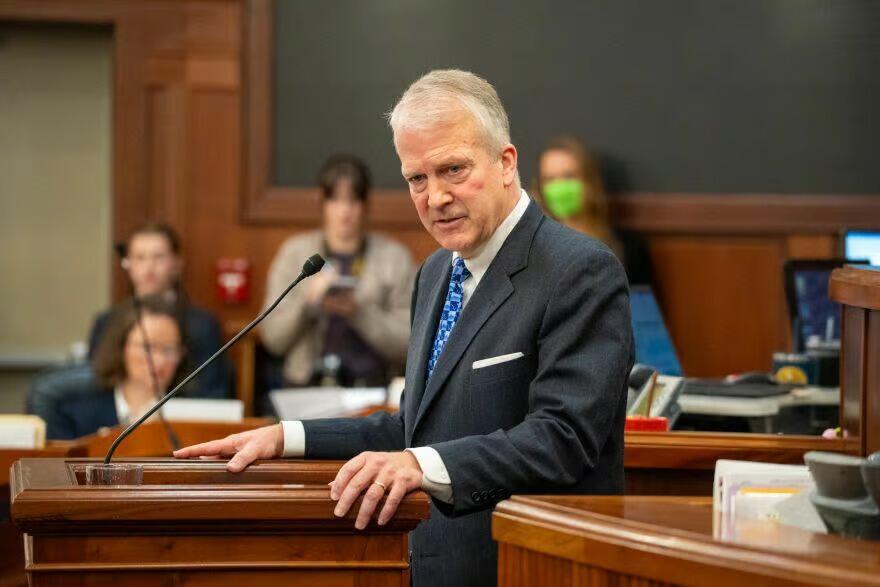
Means’ departure comes amid his growing frustration with what he saw as a lack of progress on MAHA priorities, according to two administration officials, both granted anonymity to describe his thinking. The breaking point came this week. Means had been scheduled to meet with Kennedy and White House officials to discuss defining ultraprocessed foods, a MAHA priority. That meeting, first reported on by POLITICO, was postponed.
MAHA has prioritized establishing a definition for ultraprocessed foods because they hope it will set the stage for eventual regulation of sweeteners and additives in the American diet.
“That was the straw that broke the camel’s back,” said one of the two administration officials. “Calley’s been pushing very, very hard for this, but it’s been a very opaque process and has been just continuously stonewalled.”
Means, a wellness entrepreneur, worked on Kennedy’s 2024 presidential campaign and the secretary credits him with helping pave the way for Kennedy’s eventual endorsement of Trump. The unlikely alliance brought thousands of MAHA voters into President Donald Trump’s coalition and secured Kennedy a spot in the Cabinet.
Means, who initially served as a White House adviser and later became a senior HHS adviser, was heavily involved in early Trump administration wins on food policy, including revamping the dietary guidelines, getting a smattering of big candy and food companies to voluntarily remove artificial dyes from their products and restricting unhealthy drinks from food stamp coverage in 17 states. He also worked on an executive order, signed by Trump in April, that directed federal agencies to boost research efforts into psychedelic medicine and on efforts to increase nutrition courses taught in medical schools.
But many MAHA adherents felt the movement lost momentum in February when Trump signed an executive order to increase production of the herbicide glyphosate. MAHA activists have long argued that glyphosate, the active ingredient in Roundup, is poisoning the food supply and driving increases in chronic diseases.
Bayer, the producer of Roundup, had warned the Trump administration it could halt U.S. production of the widely used weedkiller because of mounting lawsuits claiming the product caused cancer. Bayer had also raised concerns over regulatory uncertainty brought on by MAHA demands. The Trump administration argued that glyphosate was needed to secure the food supply chain, invoking national security risks.
The administration also supported Bayer in a Supreme Court case to protect the company from further lawsuits — a move that ignited MAHA protests on the court steps. The company won the case in June.
MAHA advocates such as Vani Hari and Kelly Ryerson, outspoken allies of Kennedy and Means, argued that the administration’s actions favored corporate interests over MAHA voters, calling it a gut punch that the movement has yet to recover from.
Means, at the time, said he and Kennedy were extremely disappointed with the policy, but defended the “complicated” balance of supporting farmers’ status quo while also pursuing alternative farming methods.
Over the last several months, that disappointment increased. Means felt that special interests were holding sway within the White House and thwarting the MAHA agenda, according to the first administration official, who cited “a fallout of support for MAHA initiatives at the White House.”
“There are a lot of presidential promises within the MAHA movement that have been pretty blatantly subverted by special interests, and that’s completely driving his decision to step to step aside and resign,” the official said.
The second administration official pointed to Means’ “frustration” over recent attempts to roll out a school lunch rule to limit unhealthy ingredients in cafeterias.
“It basically got endlessly delayed because of industry concerns,” the official said.