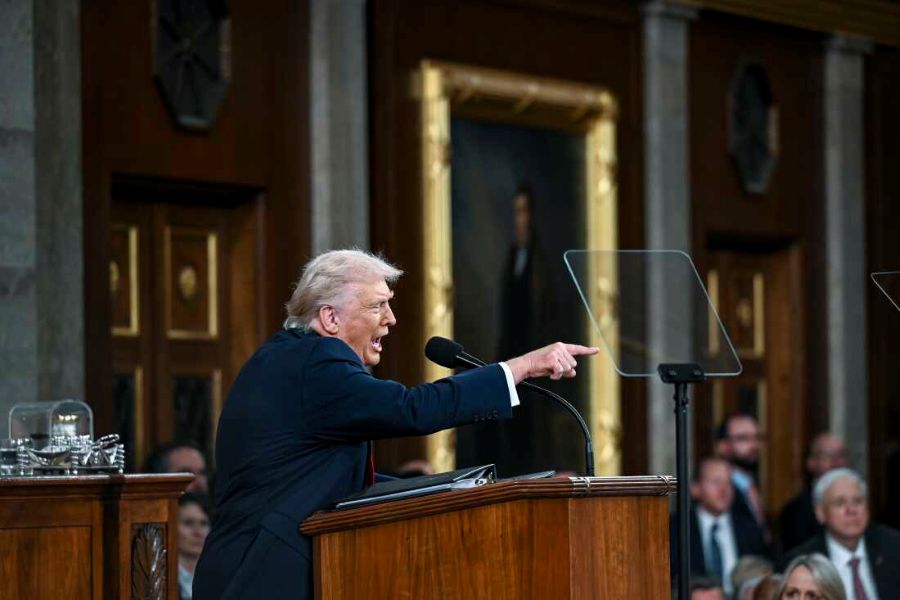



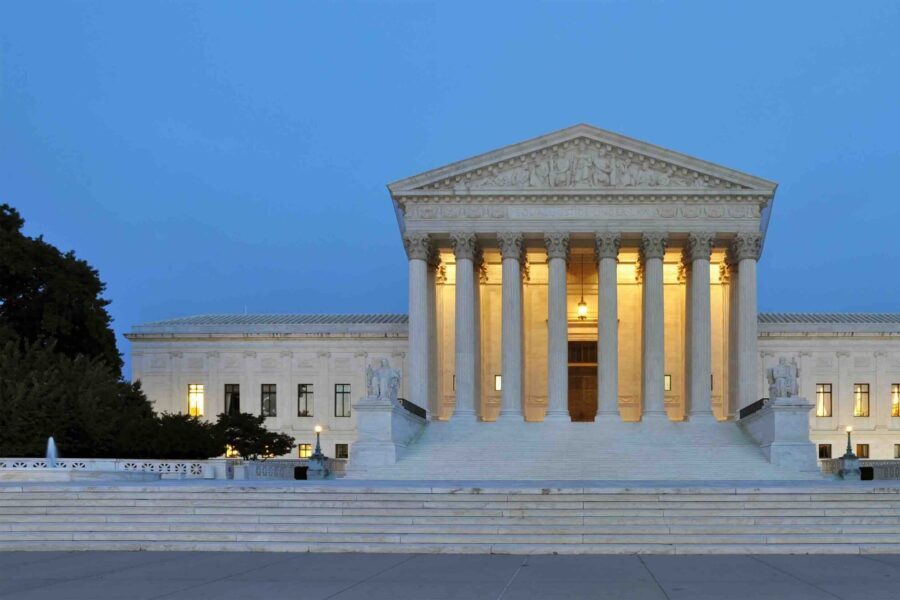
President Donald Trump scored a border security win Monday as the Supreme Court cleared the way for his administration to resume barrier construction in a stretch of West Texas that includes Big Bend National Park.
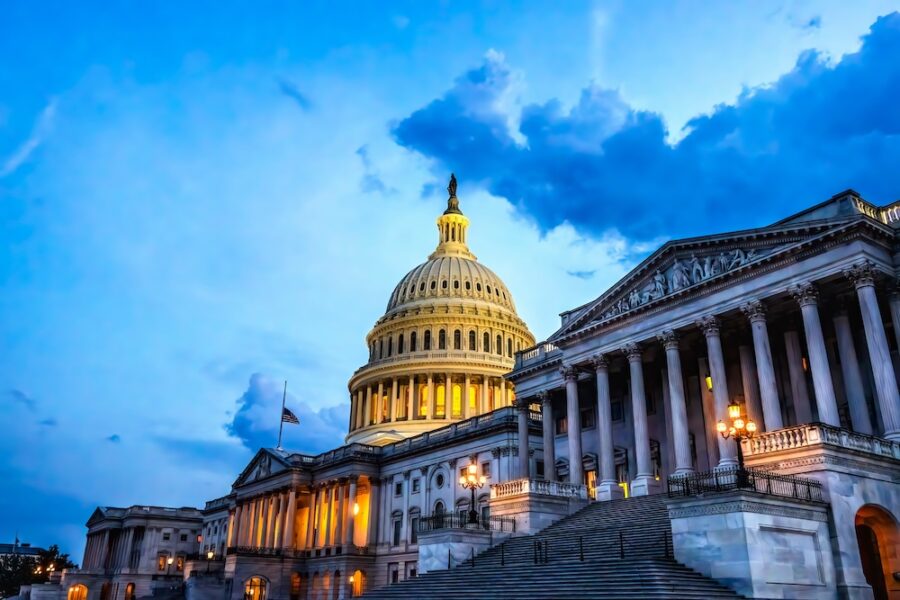
The justices granted an emergency request to lift a federal judge’s construction freeze, removing a major obstacle to the project as a legal challenge continues.
The fight centers on the Department of Homeland Security’s authority to waive environmental and conservation requirements to speed up border construction. The administration has argued that barriers are needed to combat illegal crossings, drug trafficking and cartel activity across the border in Mexico.
Inside Big Bend National Park, the government plans roughly 17 miles of vehicle barriers spread across separate stretches. Those structures would differ from the 30-foot pedestrian barriers planned elsewhere in the region, according to the administration.
Most of the construction covered by the broader Big Bend project, which spans more than 300 miles, would take place on private land, the administration said.
The Supreme Court’s intervention gives Trump fresh momentum on a policy that has anchored his immigration agenda for years. But the West Texas project has also drawn resistance from some Republicans, along with local officials and conservation groups concerned about its impact.
Among those challenging the construction are the Center for Biological Diversity, a local river guide and Friends of the Ruidosa Church, a group working to protect a historic adobe church in Ruidosa, Texas.
POLL: Does Abdul El-Sayed Belong In The Senate?
The church group contends that nearby construction threatens the fragile building. The plaintiffs are challenging a series of DHS waivers that allow crews to bypass laws that would otherwise apply to roads and barriers in the region.
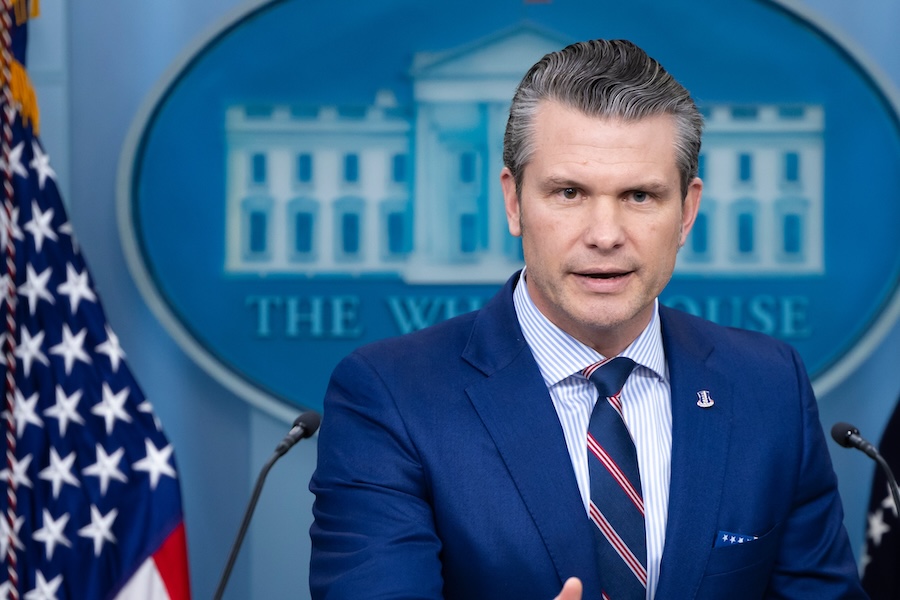
Homeland Security Secretary Markwayne Mullin and his predecessor, Kristi Noem, issued the waivers between February and July. Both determined that the targeted region qualified as an “area of high illegal entry” requiring additional border barriers.
The administration has also pointed to large drug seizures in the region and cartel operations on the Mexican side of the border to defend the project.
The waiver authority comes from a 1996 federal immigration law intended to help the government build barriers in areas with high levels of illegal crossings.
The dispute intensified in August, when crews began clearing parkland for roads and border security infrastructure. The work triggered protests and legal challenges, while criticism of the project crossed party lines.
The administration paused construction that month amid concerns about damage to the park’s rugged landscape and wildlife.
Big Bend National Park sits roughly 250 miles southeast of El Paso along the U.S.-Mexico border.
POLL: Will America Regret Giving The Democrats Power?
Continue reading...
[ H/T Trending Politics ]