

A central organizer in Minnesota’s staggering Feeding Our Future fraud scandal is going to federal prison for the next three decades.
U.S. District Judge Nancy Brasel sentenced Salim Said, 37, to 30 years behind bars for helping turn a taxpayer-funded program meant to feed needy children into what prosecutors described as a sprawling criminal enterprise.
This was no bookkeeping error and no small-time hustle.
Said was convicted in 2025 on all 21 counts against him, including wire fraud, bribery and money laundering. Prosecutors connected him and the network around his former Minneapolis business, Safari Restaurant, to roughly $44 million in fraudulent claims.
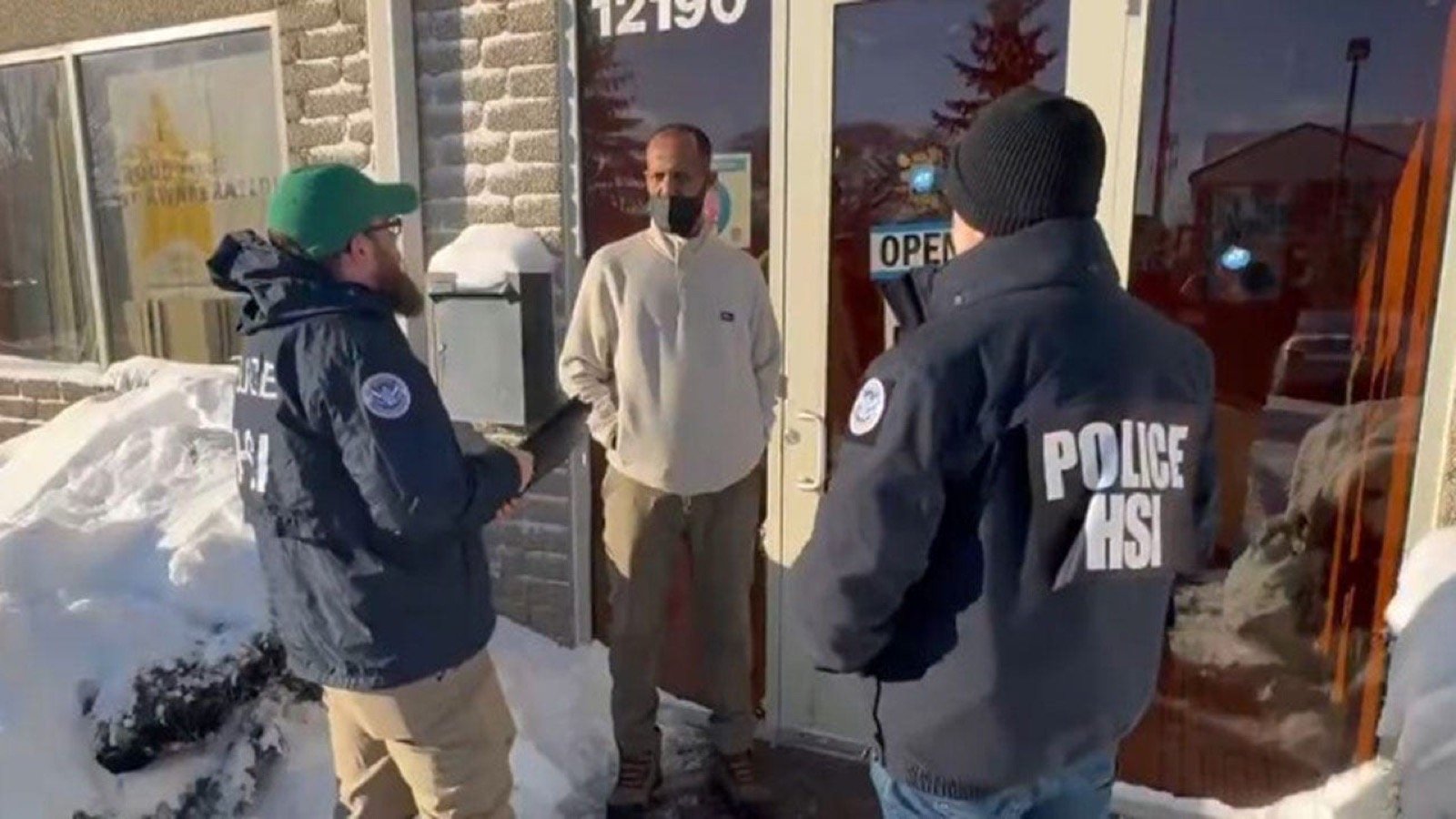
The Associated Press reports that Said operated Safari Restaurant and claimed his business was distributing an astonishing 6,000 meals per day. Federal surveillance painted a radically different picture, with prosecutors saying cameras showed an average of only about 40 people arriving daily to collect food.
The government said Said was responsible for $44 million in fraud, including money taken through operations run by people he recruited. The sentence is one of the longest imposed in the case and comes after prosecutors asked the court for 40 years while the defense requested 12.
That gap tells you how high the stakes were in this courtroom.
Judge Brasel said Said stole taxpayer money for personal enrichment and damaged public confidence in government. She also said the scheme dragged Minnesota’s reputation down with it.
BREAKING: Salim Said, a key figure in Minnesota's $250 million Feeding Our Future fraud scandal, has been sentenced to 30 years in federal prison.
The former restaurant operator was convicted of wire fraud and money laundering in a scheme involving federal funds intended to feed… pic.twitter.com/IC1nRJQ2uy
— Good News Victoria(@Goodnewsviki1) October 29, 2026
Minnesota Public Radio reports that Said personally submitted thousands of phony meal claims and paid bribes to Feeding Our Future insiders. Prosecutors told the court that Safari stood at the top of the operation’s fraud recipients and that Said helped make stealing from the public a scalable business model.
The same report says the court ordered Said to spend three years on supervised release after prison and noted that he could face deportation because he is a legal permanent resident. Brasel had already ordered the forfeiture of millions of dollars, vehicles and real estate tied to the proceeds.
Said apologized at sentencing and said he was deeply sorry for his role. But prosecutors argued that his remorse came only after he denied responsibility, minimized the scheme and testified falsely during the trial.
The ugly core of this case remains impossible to ignore: money intended to feed low-income children during a national emergency was diverted into a criminal operation.
Social media users also resurfaced an older video showing Rep. Ilhan Omar promoting Safari Restaurant’s meal-distribution work. The clip shows the public promotion; it does not show what Omar knew about the restaurant’s books or fraudulent claims.
The wider Feeding Our Future case has already produced dozens of convictions and some extraordinary prison terms.
The U.S. Attorney’s Office for the District of Minnesota said Feeding Our Future founder Aimee Bock received a 500-month federal sentence earlier this year. The Justice Department described her as the ringleader of a scheme that submitted fake invoices, fabricated attendance rosters and false meal counts to drain federal child-nutrition programs.
Federal prosecutors said the network opened more than 250 meal sites and fraudulently obtained hundreds of millions of dollars. The money funded luxury cars, real estate and other personal purchases while the defendants claimed they were serving enormous numbers of children.
Now Said joins Bock and other major figures in paying a crushing price.
Thirty years is a message that reaches far beyond one restaurant, one defendant or one courtroom.
The operation drained public money, exploited a crisis and abused a program built for hungry children. The damage to public trust will take years to repair.
Continue reading...
[ H/T WLT Report ]