







Iran Issues Nov 1st Blanket Ban On South Korean Tanker Giant Moving One-Third Of Persian Gulf Oil Exports
South Korean tanker giant Sinokor is the world's dominant VLCC owner (Very Large Crude Carrier) and has in recent weeks found itself front and center in the crosshairs of Iranian retaliation in the Strait of Hormuz and regional waters.
This past week, Iran's Persian Gulf Strait Authority (PGSA) has put the major South Korean maritime shipping and logistics group on notice, saying Sinokor will suffer sweeping action against its fleet starting November 1st if it keeps violating Tehran's protocol for shipping through the strait.
This has marked the first time the Islamic Republic issued a blanket warning covering a shipowner's entire fleet, but this is perhaps because Sinokor alone accounted for about 37% of Hormuz oil transits in September and more than 50% of VLCC traffic in the first 10 days of October, according to Lloyd’s List Intelligence data.
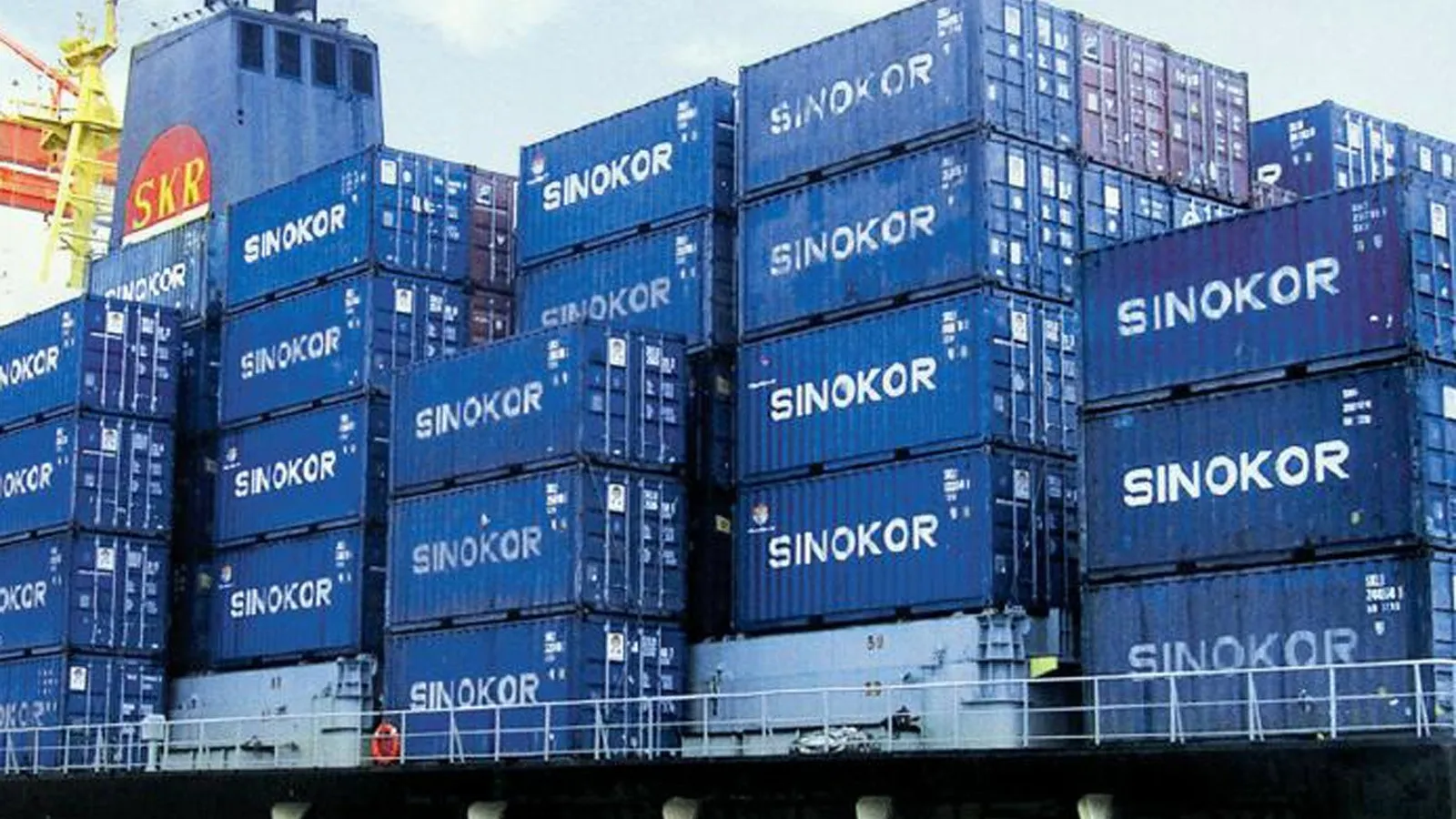
Source: Sinokor
Despite regional passage being fraught with obvious ultra high risks, Sinokor has risen to dominance in the Gulf's shipping market, moving to capitalize on extraordinary freight rates.
However, this has come at a steep physical cost, with at least seven Sinokor-linked tankers having been attacked and struck by Iranian missiles or drones recently and during the conflict.
New VLCC's contracted from shipyards can run from $125 million to $135 million to build - but a prompt delivery resale can run much, much highter - especially now.
Also, war risk insurance has been exploding in price. One industry watcher has put together a brief primer:
WarBrief Live has provided the following brief timeline and outline of soaring rates:
Days ago, Bloomberg highlighted the outsized role this single South Korean company has played in shipping contract pricing amid the global energy crisis:
As for the threat against the company coming from Iran, it remains to be seen what unspecified "legal action" will be taken going forward or in what form, or how to interprete "appropriate enforcement measures" - which has so far involved full-on military attacks.
The statement PGSA released on October 27 said Sinokor vessels "have committed the highest number of crossing violations over the past 3 months" and that "appropriate enforcement actions have been taken against at least 7 of them."
Tyler Durden Sat, 10/31/2026 - 17:00
Continue reading...
[ H/T ZeroHedge ]
South Korean tanker giant Sinokor is the world's dominant VLCC owner (Very Large Crude Carrier) and has in recent weeks found itself front and center in the crosshairs of Iranian retaliation in the Strait of Hormuz and regional waters.
This past week, Iran's Persian Gulf Strait Authority (PGSA) has put the major South Korean maritime shipping and logistics group on notice, saying Sinokor will suffer sweeping action against its fleet starting November 1st if it keeps violating Tehran's protocol for shipping through the strait.
This has marked the first time the Islamic Republic issued a blanket warning covering a shipowner's entire fleet, but this is perhaps because Sinokor alone accounted for about 37% of Hormuz oil transits in September and more than 50% of VLCC traffic in the first 10 days of October, according to Lloyd’s List Intelligence data.
Source: Sinokor
Despite regional passage being fraught with obvious ultra high risks, Sinokor has risen to dominance in the Gulf's shipping market, moving to capitalize on extraordinary freight rates.
However, this has come at a steep physical cost, with at least seven Sinokor-linked tankers having been attacked and struck by Iranian missiles or drones recently and during the conflict.
New VLCC's contracted from shipyards can run from $125 million to $135 million to build - but a prompt delivery resale can run much, much highter - especially now.
Also, war risk insurance has been exploding in price. One industry watcher has put together a brief primer:
WarBrief Live has provided the following brief timeline and outline of soaring rates:
Days ago, Bloomberg highlighted the outsized role this single South Korean company has played in shipping contract pricing amid the global energy crisis:
As for the threat against the company coming from Iran, it remains to be seen what unspecified "legal action" will be taken going forward or in what form, or how to interprete "appropriate enforcement measures" - which has so far involved full-on military attacks.
The statement PGSA released on October 27 said Sinokor vessels "have committed the highest number of crossing violations over the past 3 months" and that "appropriate enforcement actions have been taken against at least 7 of them."
Tyler Durden Sat, 10/31/2026 - 17:00
Continue reading...
[ H/T ZeroHedge ]